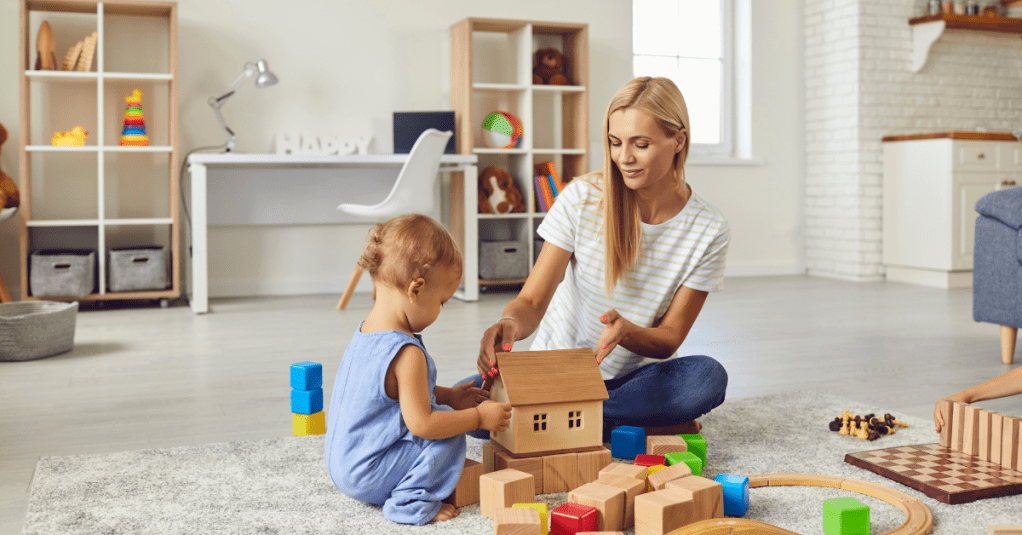
Toddlers are explorers by nature — so your home should be their safe, joyful playground.
Between their first steps and curious hands, life with a toddler can feel like a whirlwind. Creating a toddler-friendly home isn’t just about safety — it’s about encouraging independence, learning through play, and making daily routines easier for both of you.
In this guide, we’ll walk you through how to set up a home environment that supports your toddler’s growth, fosters creativity, and gives you peace of mind.
1. Prioritize Safety Without Limiting Exploration
Start by viewing your space from a toddler’s perspective — literally! Get down on their level and look for hazards like loose cords, sharp corners, or fragile items.
Key toddler-proofing areas:
- Cabinets – Use child safety locks on those storing cleaners or breakables.
- Outlets – Cover all unused sockets.
- Furniture – Anchor heavy furniture like bookshelves and TVs to the wall.
Tip: We recommend the Safety 1st Deluxe Kit — a top-rated, all-in-one babyproofing set perfect for toddlers on the move.
2. Create Low, Accessible Spaces for Independence
Toddlers love doing things “by myself!” — so set up areas where they can reach what they need safely.
Try this:
- Use low shelves for toys and books.
- Add a child-sized table and chair for coloring or snacks.
- Install low hooks for jackets or backpacks.
Tip: The Montessori-style Toy Shelf encourages tidy habits and independence from an early age.
3. Design a Calming, Clutter-Free Play Area
Less is more when it comes to toddler play spaces. A calm environment helps reduce overstimulation and encourages focused play.
How to set it up:
- Rotate toys weekly to keep interest fresh.
- Include a mix of open-ended toys (like blocks or dolls).
- Add a cozy reading nook with soft pillows or a child-sized beanbag.
Tip: We love the Lovevery Play Kits — stage-based toys designed by child development experts.
4. Make the Bathroom Toddler-Accessible
Toddlers are learning basic hygiene, so help them build routines by making the bathroom accessible.
Add:
- A non-slip step stool.
- A faucet extender for easy hand washing.
- A toothbrush and toothpaste they can use independently.
Tip: The Munchkin Faucet Extender & Step Stool Combo is a game-changer for self-care routines.
5. Keep Mealtimes Simple and Safe
Set up a toddler-friendly kitchen zone to encourage mealtime participation.
Ideas include:
- A learning tower or kitchen helper stool so they can help prep food.
- Unbreakable dishes in a low drawer they can reach.
- Easy-access snack stations with healthy options.
Tip: Try the Little Partners Learning Tower — safe, sturdy, and loved by Montessori parents.
6. Create Clear Zones in Shared Spaces
Even in small homes, creating defined areas can help toddlers understand what belongs where.
Use rugs or furniture placement to separate zones like:
- Play area
- Reading nook
- Art corner
This helps your toddler know what’s expected — and helps keep your space a little more organized.
7. Encourage Emotional Safety Too
Your physical space should support emotional development as well. Create a calm-down corner with pillows, soft toys, or a “feelings” book they can use when emotions run high.
It’s a gentle way to help toddlers learn emotional regulation and self-soothing skills.
Tip: We recommend the Slumberkins Snuggler + Story Sets to help toddlers explore emotions in a comforting way.
Final Thoughts
Creating a toddler-friendly home doesn’t mean turning your house upside down — it’s about making intentional, thoughtful changes that support your child’s need for safety, freedom, and connection. And the best part? These changes help reduce stress and make daily life flow more smoothly for everyone.
Whether you’re just starting out or looking to fine-tune your setup, your home can become a space where your toddler can grow, explore, and truly thrive — with you by their side.
Note: As an Amazon Associate, I earn from qualifying purchases.
 Parenting Kindly
Leave a comment