• The Reset Ritual Every Parent Needs at the End of the Day

    (A grounding practice for calmer evenings and a more regulated home)

    By the time evening hits, most parents aren’t just tired, they’re tapped out.
    The noise, the mess, the constant decision-making, the small hands pulling on you, the emotional coaching, the repeating yourself… it all adds up.

    And even when you love your child more than anything, you still reach a point where your system says:
    Enough.

    That’s why every parent needs a reset ritual — a simple, doable end-of-day routine that helps your nervous system settle so you can show up calmer and more connected… without running on survival mode.

    A reset ritual isn’t about being productive or “finishing the day strong.”
    It’s about giving your brain a cue that the hard part of the day is done and helping your body soften before the nighttime routine begins.

    Here’s how to create one that works, even when you’re tired.

    1. Step away for a 3-minute pause

    Not 20 minutes. Not a meditation session.
    Just three minutes of uninterrupted silence or stillness.

    You can stand in the bathroom, sit on the edge of your bed, or step outside for fresh air.

    The point is to shift your nervous system from “go-go-go” to “I’m safe now.”

    A few options:

    • Put your hand on your chest and breathe slowly
    • Close your eyes for a moment and unclench your jaw
    • Stretch your neck, shoulders, and back
    • Let your face soften (you’ll be surprised how much tension you’re holding)

    Three minutes can change the energy of your entire night.

    2. Lighten your sensory load

    Parents often feel overstimulated before they feel “tired.”

    Try one of these:

    • dimming the lights
    • lowering background noise
    • putting toys in one area or basket
    • turning off the TV
    • taking a warm shower

    Small sensory shifts help your brain feel less attacked, which makes your patience return much faster.

    Affiliate picks that help:

    3. Do one small thing that makes tomorrow easier

    A reset ritual is partly emotional, partly practical.

    Pick one thing — not five.

    Examples:

    • Lay out tomorrow’s clothes
    • Refill the diaper caddy
    • Prep a simple breakfast (even fruit washed in a container counts)
    • Put dishes into the washer
    • Toss toys into one basket (not a full clean)

    You’re not trying to create a perfect home.
    You’re clearing the mental clutter that usually makes mornings harder.

    4. Give yourself permission to slow down the bedtime routine

    Parents often rush through evenings because they want everything done.
    But rushing usually creates power struggles, tears, and frustration.

    Try slowing your own pace first:

    • talk softer
    • move slower
    • give 5-minute transitions
    • offer choices
    • keep expectations simple

    You’ll be surprised how much calmer bedtime feels when you set the tone.

    5. End the night with one grounding moment

    Just one.
    Something small that brings your shoulders down from your ears.

    It can be:

    • a hot shower
    • lavender lotion
    • five deep breaths in the dark
    • a warm drink
    • journaling one sentence
    • reading a few pages
    • sitting in silence

    Your body needs a cue that the workday of parenting is over — that you’re allowed to recharge now.

    Affiliate suggestions:

    **The truth?

    Resets don’t make parenting easier, they make you steadier.**

    When your nervous system is calmer…
    when your thoughts aren’t scattered…
    when you feel like you have a moment to breathe again…

    Your whole home feels different.

    You deserve moments of ease, not just responsibility.

    Even a 5-minute reset can shift an entire evening, and create the kind of presence your child remembers long after the mess and the chaos fade.

    CTA: Download the Mom Reset Checklist

    Want a simple one-page guide you can follow each night?
    Get the Mom Reset Checklist: a gentle, realistic way to end the day feeling more regulated and less overwhelmed.

    Download the Free Mom Reset Checklist Here!
  • Balancing Screen Time and Real Life for Gen Alpha

    Screens are everywhere: in classrooms, in waiting rooms, even in the quiet corners of home. For many families, they’re a part of everyday life, whether it’s for learning, video calls with grandparents, or a quick moment of calm while you make dinner.

    Technology isn’t something most parents can (or should) completely avoid. The real goal is to help our kids build a healthy relationship with it, one that supports their curiosity, learning, and imagination without taking over their world.

    This is especially true for Gen Alpha, the generation growing up alongside smart devices and instant access to everything. As parents, we’re navigating uncharted territory: how to raise mindful kids in a digital world.

    Here’s how to bring balance, connection, and calm back into your family’s screen habits, without guilt or extremes.

    1. Aim for Balance, Not Perfection

    Screens aren’t the enemy. They can teach, entertain, and even connect our kids to new ideas. The key is how and why we use them.

    When your child watches something educational, builds a digital art project, or chats with loved ones, that’s meaningful use. But endless scrolling or background TV often leads to overstimulation and disconnection.

    Try setting clear, predictable screen routines. For example, screen time can happen after outdoor play or reading time, not before bedtime. You can also introduce a simple family rule: use screens with purpose — to learn, create, or connect.

    Helpful Tools:

    2. Create Gentle Tech-Free Moments

    Even small breaks from screens can make a big difference. Kids need moments to daydream, move, and be bored — that’s where creativity starts.

    Choose one or two daily rituals to protect from digital interruptions. Maybe it’s keeping mealtimes device-free, turning off all screens an hour before bed, or enjoying a short family walk after dinner. These pauses remind kids (and us) that not every quiet moment needs a screen to fill it.

    Helpful Tools:

    3. Teach Digital Awareness Early

    Our kids are learning about technology before they understand its impact. That’s why early conversations matter — not to scare them, but to guide them.

    Talk about kindness online, respecting privacy, and understanding that what we post stays there. Keep it simple and age-appropriate, but make it a regular part of your family conversations.

    Model the same awareness yourself — no phones at the dinner table, no scrolling when your child is talking to you. What you do teaches more than what you say.

    Helpful Tools:

    4. Bring Back Hands-On Play and Outdoor Time

    Screens can teach, but real play shapes how kids understand their world. Time spent building, exploring, and moving helps them develop problem-solving, coordination, and social skills that no app can replace.

    Encourage a mix of indoor and outdoor play — building forts, exploring nature, or setting up a small art table. It doesn’t have to be fancy. The goal is to let kids use their hands, move their bodies, and make discoveries at their own pace.

    Helpful Tools:

    5. Be the Example

    Kids learn by watching. If they see you checking your phone during dinner, they’ll assume it’s normal. If they see you reading a book, taking a walk, or setting your phone aside, they notice that too.

    You don’t need to be perfect. Just try to show that technology has a time and place, and so do the people we love.

    Helpful Tools:

    The Bottom Line

    Technology isn’t good or bad — it’s how we use it that matters.
    When we set boundaries, model balance, and invite more real-world experiences, screens become just one part of a full and connected life.

    Kids don’t need a world without technology. They need a world where technology fits within life, not instead of it.

  • How to Set Up a Montessori Playroom at Home on Any Budget

    When you picture a Montessori playroom, you might imagine sleek wooden shelves, beautiful toys, and a perfectly organized space. But here’s the truth: you don’t need a big room or a big budget to create a calm, independent play space for your child.

    At its core, a Montessori playroom is about simplicity — giving your child access to just a few open-ended materials that spark curiosity, creativity, and confidence.

    Below, you’ll find practical setup ideas, storage tips, and some of our favorite Montessori-inspired products, so you can start creating a space that truly supports your child’s growth, no matter your budget or home size.

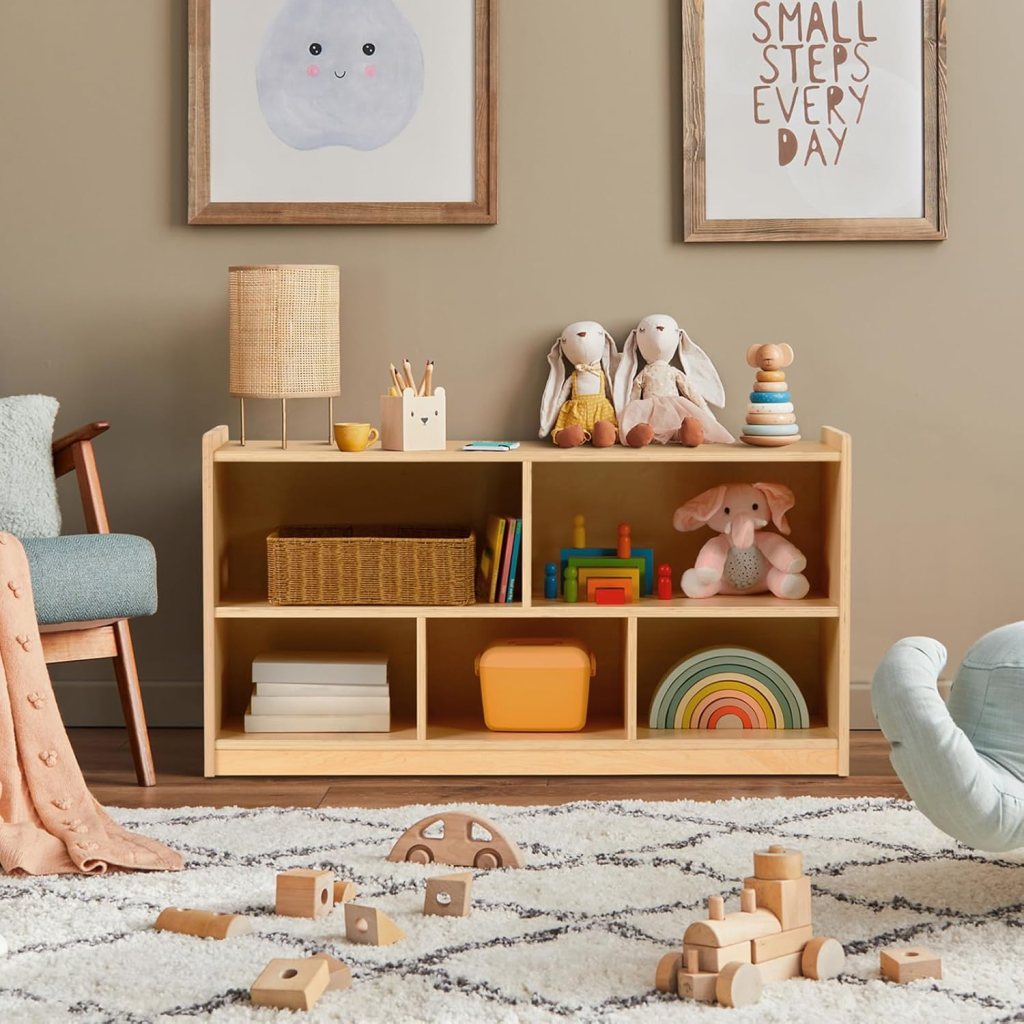
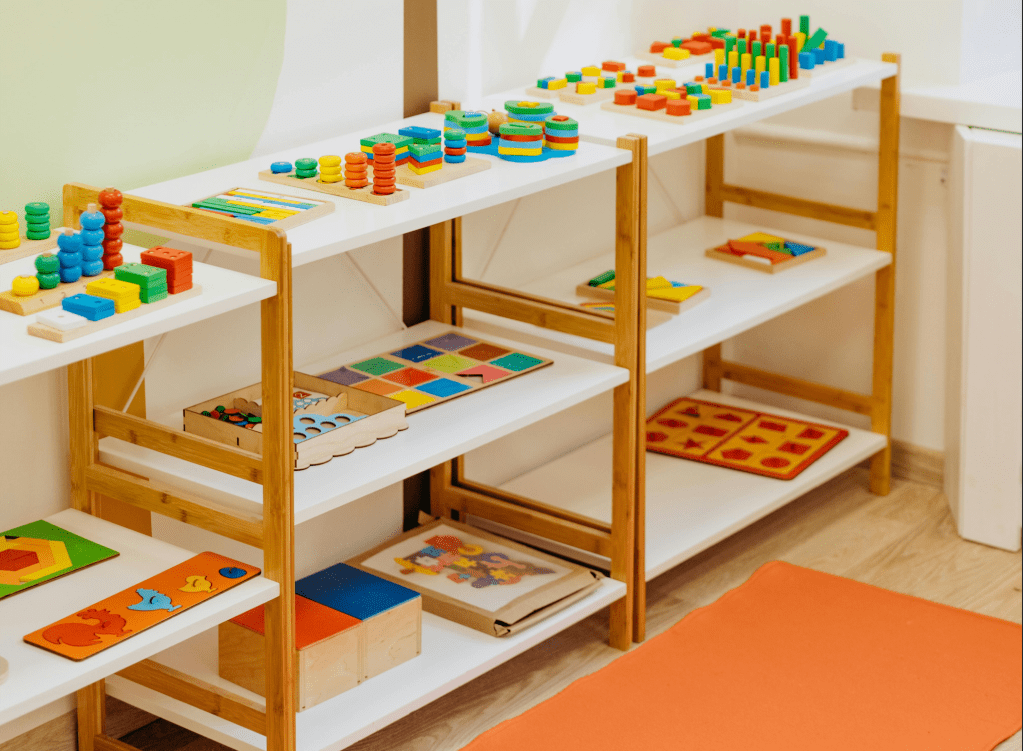
    1. Start With a Low Shelf

    A low shelf helps your toddler see and reach their toys independently — no need to ask for help every time. Keep 6–8 toys accessible and rotate them weekly to keep things fresh.

    Amazon Picks:

    Tip: Keep baskets or trays on the shelves so toys look inviting and easy to return after play.

    2. Choose a Few Open-Ended Toys

    Montessori-friendly toys encourage creativity, problem-solving, and independence — no flashing lights or buttons needed.

    Amazon Picks:

    Tip: Less is truly more. Kids play deeper when there’s less visual clutter.

    3. Add a Simple Art Corner

    Art supports focus, self-expression, and creativity — all core Montessori principles.

    Amazon Picks:

    Tip: Store art materials where your child can access them safely. Offer real tools — scissors, tape, brushes — with supervision.

    4. Include a Cozy Reading Nook

    A reading corner creates a calm space for quiet time and emotional regulation.

    Amazon Picks:

    Tip: Rotate books just like toys — keeping only a few out helps your child truly engage with what’s available.

    5. Bring Nature In

    Montessori environments celebrate connection to nature. Even a few small touches can make your playroom feel more grounded.

    Ideas:

    • Place a small indoor plant your child can help water.
    • Add a nature tray with pinecones, leaves, or shells.
    • Use natural materials — wood, cotton, linen — whenever possible.

    Amazon Picks:

    6. Keep It Rotated and Simple

    A Montessori playroom evolves with your child. Every few weeks, rotate toys based on what your toddler is interested in, it keeps playtime engaging without constantly buying new things.

    Store extras in clear bins in a closet or under the bed, and reintroduce them later. You’ll be surprised how “new” old toys feel again.

    Final Thoughts

    A Montessori playroom isn’t about perfection — it’s about intention. It’s a place where your child can explore, concentrate, and grow confident in their independence.

    Whether you’re working with one shelf in your living room or a full play space, start with what you have. Add slowly, with purpose. Your child doesn’t need more, they just need you to make space for meaningful play.

  • Simple Outdoor Play Ideas + Favorite Toys for Backyard Exploration

    You don’t need a big yard or fancy playground to give your child a magical outdoor experience. Sometimes, all it takes is a bucket, a few loose parts, and a little imagination.

    Outdoor play builds independence, creativity, and emotional regulation — all while helping kids burn energy and reset their nervous systems. Fresh air truly is nature’s best therapy (for kids and us).

    So if you’ve been wanting to spend more time outside with your little one but aren’t sure where to start, here are simple outdoor play ideas and favorite toys that make backyard exploration fun, calm, and full of learning.

    1. Water Play Made Simple

    You don’t need a pool — a few buckets and cups are enough for endless fun. Let your child pour, scoop, and experiment with how water moves.

    💧 Try this:

    • Offer sponges, plastic containers, funnels, and scoops.
    • Add a few drops of food coloring or ice cubes for sensory exploration.

    🛒 Affiliate picks:

    2. Nature Treasure Hunt

    A simple scavenger hunt builds observation and vocabulary skills. Write (or draw) a list of things to find — a smooth rock, something yellow, a flower, a leaf bigger than your hand.

    💡 Tip: Bring a small basket or egg carton to collect treasures and talk about what you find.

    🛒 Affiliate picks:

    Backyard Obstacle Course

    Build one with what you already have — buckets, chalk lines, cardboard boxes, or jump ropes. It’s fantastic for gross motor skills and confidence building.

    💡 Try this: Let your toddler help “design” it. Ask, “Should we hop over or crawl under?” It gives them a sense of ownership.

    🛒 Affiliate picks:

    4. Gardening Together

    Even if you don’t have a big garden, a few pots or planters are enough. Kids love digging in dirt, watering, and watching something grow.

    💡 Tip: Choose fast-growing seeds like basil or marigolds so they can see progress quickly.

    🛒 Affiliate picks:

    5. Mud Kitchen or Outdoor Pretend Play

    Mud kitchens are magical — and you can make one using an old table or shelf. Add some old bowls, spoons, and pretend food. It encourages creativity, sensory play, and fine motor skills.

    💡 Try this: Bring out real herbs or flower petals for “recipes.”

    🛒 Affiliate picks:

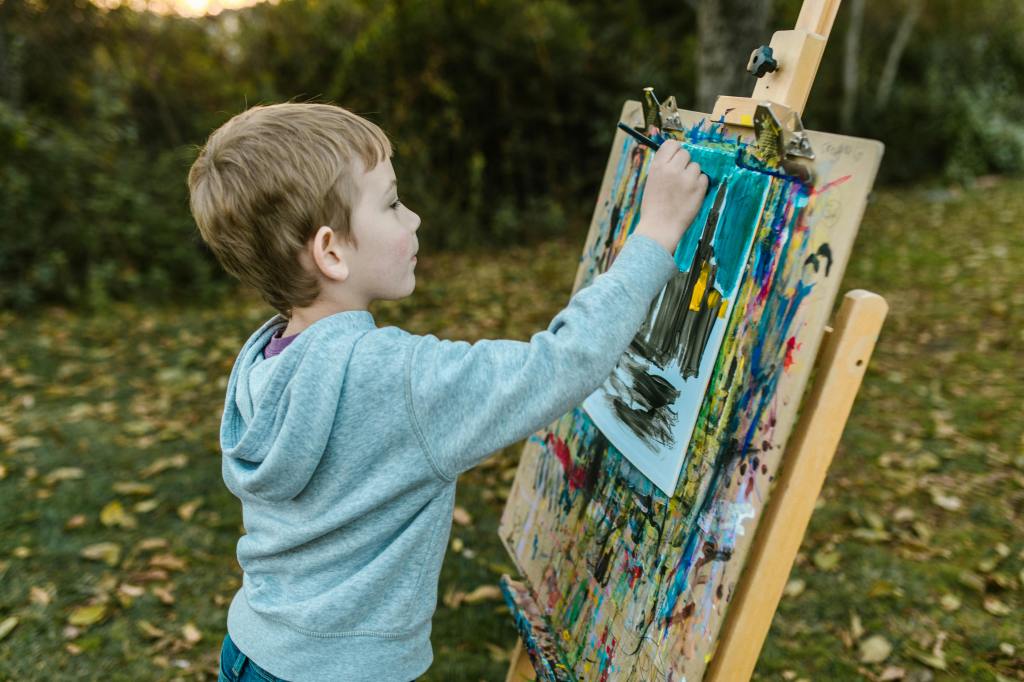
    6. Backyard Art Studio

    Bring art supplies outdoors! Use leaves as stamps, paint on rocks, or create nature collages with glue and paper.

    💡 Tip: Keep a small bin ready with washable paint, brushes, scissors, glue, and paper so you can easily set it up outside.

    🛒 Affiliate picks:

    7. Picnic and Story Time

    Lay down a blanket, pack snacks, and bring a few favorite books. Even just 20 minutes of reading outside can feel like a reset for everyone.

    🛒 Affiliate picks:

    8. Everyday Free Play

    Not every outdoor moment needs a plan. Sometimes, the best thing you can do is step back, watch your child explore freely, and notice what draws them in. That’s where learning truly happens.

    Final Thoughts

    You don’t need to fill every minute or buy every toy, just create space for curiosity to unfold.

    A backyard becomes a science lab, a kitchen, or a quiet space for imagination — all depending on how you frame it. The goal isn’t perfection; it’s connection.

  • Why Kids Need Boundaries (and So Do You)

    Boundaries are one of the greatest gifts we can give our kids, and ourselves.

    They make children feel safe, loved, and secure. They help parents feel calmer, more confident, and less like they’re running on empty.
    But for many of us, boundaries are complicated. Especially if we grew up walking on eggshells, or if “discipline” was confused with control.

    The truth is: boundaries aren’t about power. They’re about connection.

    Why Kids Actually Crave Boundaries

    When we set loving limits, we’re showing our children: “You’re safe. I can handle your big feelings.”

    Even though kids test limits (that’s their job), they secretly rely on them. Predictability helps their developing brains understand cause and effect, builds emotional regulation, and teaches self-control.

    Think about it like this — a playground without a fence feels unsafe. Children cling close. But when there’s a boundary, they can explore freely. The same is true for emotional and behavioral limits at home.

    Boundaries are love in action.

    When Boundaries Feel Hard to Hold

    Many of us were raised to believe that saying “no” means being harsh, or that giving in is the same as being kind. But real kindness isn’t about avoiding conflict, it’s about being clear and steady, even when your child is falling apart.

    Sometimes we overgive or overexplain because we don’t want to be the “mean” parent. Other times, we swing between patience and snapping, because we’re tired and stretched too thin.

    If this sounds familiar, you’re not alone. Boundaries aren’t a personality trait, they’re a skill you build over time, especially when you’re learning a gentler way to parent than what you grew up with.

    How to Set Boundaries That Actually Work

    Here’s what healthy boundaries look like in action:

    1. Stay calm, not cold.

    Boundaries don’t need a loud voice to be firm. “It’s okay to be mad, but I won’t let you hit.” Calm tone, kind eyes, steady posture.

    2. Follow through with consistency.

    Kids learn through repetition. If one day “no jumping on the couch” means no, and the next it’s ignored, it confuses them. The consistency builds trust, not rigidity, but reliability.

    3. Prepare for pushback.

    Testing boundaries is normal. When your child melts down after a limit, it’s not proof that the boundary failed, it’s proof that they’re learning how to handle disappointment with your guidance.

    4. Use simple language.

    Boundaries land best when they’re short and clear. Instead of long explanations, try:

    • “Toys stay on the floor, not the table.”
    • “We can read one more book, then it’s bedtime.”

    5. Model your own boundaries.

    When your child sees you say, “I need five minutes to sit quietly before I help,” or “I can’t play right now, but I will after dinner,” they learn that limits are not rejection, they’re part of self-respect.

    Why You Need Boundaries Too

    Parenting without personal boundaries is like pouring from an empty cup. You give, give, and give… until you’re running on fumes.

    But here’s the truth: saying “I need space” or “I can’t do that right now” doesn’t make you selfish, it makes you sustainable.

    When you protect your energy, you’re modeling emotional balance for your child. You’re showing them it’s okay to rest, to say no, to choose peace over perfection.

    Your child learns as much from how you treat yourself as how you treat them.

    Boundaries Are Not Walls — They’re Bridges

    Healthy boundaries create emotional safety, not distance. They tell your child, “I love you enough to guide you, even when it’s hard.”

    And they tell yourself, “I matter too.”

    So if you’re relearning how to set limits without guilt, remember, you’re not doing it wrong. You’re doing it differently.
    You’re breaking cycles, one calm, firm boundary at a time.

    Affiliate Picks to Support Boundaries at Home

    🧠 Parenting Book: Set Boundaries, Find Peace: A Guide to Reclaiming Yourself by Nedra Tawwab — powerful and practical, for parents learning to hold space and hold limits.

    👶 Tool for Kids: Time Timer Visual Timer — helps toddlers and preschoolers see transitions coming, reducing power struggles.

    📚 Parenting Book: Anxious for Nothing: Finding Calm in a Chaotic World — focuses on managing anxiety and finding peace in busy life.

    ♥️ For Emotional Regulation: The Feelings Doctor and the Emotions Toolkit — a practical guide to understanding and working with emotions, especially helpful for parents and kids.

  • Packing Smart for Family Trips: Essentials That Make It Easier

    Traveling with kids is a mix of excitement, exhaustion, and the occasional “Why did we think this was a good idea?” moment. But with a little planning (and realistic expectations), you can make family trips smoother, maybe even enjoyable.

    Here’s how to pack smart, stay organized, and actually feel ready for adventure, without stuffing the whole house into your suitcase.

    1. Start With a Master List You Can Reuse

    Every trip feels different, but the basics stay the same. Create a family master packing list you can tweak depending on the season or destination.

    Divide it into categories:

    • Clothes (everyday outfits, pajamas, swimwear, jackets)
    • Toiletries (toothbrushes, sunscreen, baby lotion, hair ties, combs)
    • Sleep essentials (blanket, sound machine, favorite stuffed toy)
    • Entertainment (books, toys, tablet or Yoto Player, headphones)
    • Snacks + water (more on that below!)
    • Documents + medicine (IDs, insurance cards, thermometer, basic meds)

    A reusable packing list saves time and keeps you from that awful feeling of realizing you forgot the toothbrush… again.

    2. Pack by Day, Not by Type

    Instead of stacking all the shirts in one pile and pants in another, pack outfits together in zip bags or packing cubes labeled by day.

    That way, mornings are faster — you just grab a bag and go. It’s also easier when a grandparent or partner helps dress your child (no hunting for matching socks).

    Affiliate Pick:
    🧳 Veken Packing Cubes Set — lightweight, organized, and helps you see everything at a glance.

    3. Smart Snacks Save the Day

    Snacks are the ultimate travel hack for families. Hungry kids (or parents) can turn a smooth trip into chaos in seconds.

    Pack a mix of:

    • Non-messy favorites: granola bars, fruit leather, pretzels, cheese sticks, rice crackers.
    • Hydration options: refillable water bottles (one per person), juice boxes for treats.
    • Emergency snacks: a small bag of something special (like gummies or cookies) for meltdown moments.

    Affiliate Pick:
    🍎 Bentgo Kids Snack Box — leak-proof, colorful, and perfect for portioning snacks.

    Tip: Always have wipes and napkins nearby. They’re not just for kids — they’ll save you from sticky car seats and crumb disasters too.

    4. Keep a “Parent Survival Kit” Accessible

    Every parent should have a small bag of must-haves within arm’s reach. Think of it as your peace-of-mind kit.

    Include:

    • Tissues and wipes
    • Hand sanitizer
    • Mini first-aid kit (bandages, pain reliever, motion sickness meds)
    • Extra outfit for your child
    • Small trash bags
    • Lip balm, gum, and snacks for you

    Affiliate Pick:
    👜 Itzy Ritzy Boss Backpack Diaper Bag — stylish and fits everything without feeling bulky.

    5. Entertainment That Actually Keeps Kids Engaged

    Traveling with kids means managing downtime — in airports, cars, or long lines. Bring a mix of quiet, screen-free options and small surprises.

    Try:

    • Reusable sticker books or coloring pads
    • Audio stories (the Yoto Mini is a lifesaver for road trips)
    • One new small toy they haven’t seen before
    • Compact travel games (like memory cards or magnetic puzzles)

    Affiliate Picks:
    🎧 Yoto Mini Audio Player
    🖍️ Melissa & Doug Water Wow Activity Books

    6. Don’t Forget Sleep Comforts

    Sleep can make or break a trip. Bring one or two familiar bedtime items from home to help your child settle faster in a new environment.

    A small blanket, stuffed toy, and nightlight go a long way toward keeping routines intact — even in hotel rooms or grandparents’ guest rooms.

    Affiliate Picks:
    🌙 Hatch Rest+ Night Light and Sound Machine
    🧸 Burt’s Bees Baby Reversible Blankets

    Tip: Pack pajamas near the top of your luggage. That way, if you arrive late and tired, bedtime setup is quick.

    7. Pack a “Dirty Laundry” Solution

    A simple laundry bag or even a pillowcase can keep dirty clothes separate from clean ones.
    For longer trips, consider bringing a few detergent sheets or pods for quick hotel washes.

    8. Think Comfort for Parents Too

    Kids might be the focus, but parents matter just as much. Bring things that make travel feel easier for you, too:

    • A reusable tumbler for your coffee
    • Lightweight scarf or wrap for warmth on flights
    • Power bank for phone charging
    • Good headphones or a short playlist for quiet moments

    Affiliate Picks:
    Stanley Quencher Tumbler
    🔋 Anker PowerCore Portable Charger

    9. Bonus Tip: Keep Essentials in the Car (Always)

    If you travel often, keep a small “go bag” in your car year-round.
    Include wipes, tissues, a spare outfit, extra water, and emergency snacks. You’ll thank yourself when the next spontaneous road trip or spill happens.

    Final Thoughts

    Packing smart for family travel isn’t about perfection — it’s about preparing just enough to enjoy the moments in between.

    Because when you’re not worried about what you forgot, you can actually see your child discovering new things, laughing in the back seat, or falling asleep against your shoulder.

    And that’s the part you’ll remember most.

  • The Power of a Simple Play Setup: Why Less Really Is More

    If you’ve ever found yourself picking up toy after toy, wondering how your toddler can be surrounded by so many things yet still “bored,” you’re not alone.

    The truth? Most kids don’t need more toys — they need fewer choices and more space to explore. A thoughtfully simple play setup can do more for your child’s focus, creativity, and calm than any flashy new gadget ever could.

    Why Too Many Toys Can Be Overwhelming

    Imagine walking into a store with hundreds of options and being told to “pick something fun.” For a young child, that’s what a cluttered play area feels like.

    When every shelf is full and every bin overflows, the brain doesn’t know where to start, so it often doesn’t. Research in developmental psychology shows that too many options can reduce attention span and engagement, especially in toddlers whose executive function skills are still developing.

    You might notice:

    • Shorter play sessions
    • Constant toy-hopping
    • Difficulty cleaning up or focusing

    Simplifying their environment helps them tune in to what really matters, the process of play, not just the objects in it.

    The Montessori Approach: Beauty in Simplicity

    In Montessori classrooms, materials are intentionally displayed on low, open shelves, not dumped in bins. Children see everything at a glance and can choose independently.

    You can bring that same idea home:

    • Offer a few well-loved toys instead of a mountain of options.
    • Display them neatly on trays or shelves at your child’s level.
    • Rotate items every week or two to keep interest fresh.

    This simplicity invites deeper engagement. A toddler who might ignore a cluttered toy box will suddenly spend 20 quiet minutes stacking wooden blocks when the space feels calm and organized.

    The Science Behind Less

    There’s neuroscience behind this, too. Fewer stimuli mean less sensory overload and more opportunities for sustained attention, the kind of focus that builds cognitive growth and emotional regulation.

    When the play area is calm, your child’s brain is calmer. And when your child is calmer, you are too.

    What to Include in a Simple Play Setup

    You don’t need fancy equipment. Just choose a few open-ended toys that grow with your child:

    • 🧩 Wooden blocks – Encourage problem-solving and motor skills.
    • 🎨 Art materials – Crayons, paper, and stickers spark creativity.
    • 🧺 Practical life tools – Child-sized cleaning sets or kitchen tools build confidence and independence.
    • 🧸 One cozy comfort item – A soft toy or doll can be part of calm imaginative play.

    Affiliate picks:

    These toys aren’t “just toys”, they’re tools for growth. And the right setup can make your home feel instantly more peaceful.

    Creating Calm for You, Too

    A simplified space doesn’t just benefit your child, it benefits you.
    When there’s less visual clutter, your nervous system relaxes, too. You’ll find it easier to tidy up, easier to breathe, and easier to be present in those fleeting play moments.

    So next time you’re tempted to buy another toy, pause. Try clearing the space instead. Your child doesn’t need more — they need meaningful.

  • Montessori Gift Ideas by Age: From Babies to Preschoolers

    If you’ve ever wondered what makes a toy “Montessori,” here’s the simple truth: it’s less about labels and more about purpose. Montessori-inspired toys are designed to help your child do things for themselves — to explore, problem-solve, and build real-world skills at their own pace.

    The best part? You don’t need a shelf full of fancy wooden toys. Just a few thoughtful, open-ended materials that grow with your child can make playtime calmer, more meaningful, and actually last longer.

    Below are hand-picked Montessori gift ideas organized by age — from the baby exploring textures to the preschooler pouring, stacking, and pretending their way through the day.

    0–12 Months: Simple Sensory Beginnings

    At this stage, your baby is discovering their world through movement and touch. Choose toys that stimulate their senses without overwhelming them.

    Montessori gift ideas for infants:

    🧠 Montessori tip: Keep a few toys in a low basket and rotate them weekly — babies thrive on simplicity.

    1–2 Years: Exploring Independence

    Toddlers this age love to imitate daily life — pouring water, opening boxes, and stacking anything they can get their hands on.

    Montessori gift ideas for 1-year-olds:

    🧠 Montessori tip: Offer one “real” item your child can use — like a small broom or tiny watering can. It builds confidence and coordination.

    2–3 Years: Building Focus and Skill

    Your toddler’s fine motor skills and imagination are blooming. Choose toys that invite hands-on exploration and purposeful repetition.

    Montessori gift ideas for 2-year-olds:

    🧠 Montessori tip: Notice what your child repeats often — it’s their way of mastering a new skill. Support it, don’t rush it.

    3–4 Years: Creativity and Real-World Learning

    By preschool age, your child is ready for imaginative play, problem-solving, and early independence.

    Montessori gift ideas for preschoolers:

    🧠 Montessori tip: Follow your child’s interests — if they’re into cooking, gift tools that let them really cook alongside you.

    Final Thoughts

    Montessori toys aren’t about perfection or expensive brands, they’re about purposeful play. When you choose toys that align with your child’s natural curiosity, you’re helping them build focus, independence, and joy in learning.

    🎁 Remember: Less is more. Quality, open-ended toys spark imagination far longer than flashing, noisy ones ever could.

  • Why You Feel Anxious When the House Is Messy (And How to Calm Your Nervous System)

    When the house is messy, I just get in a bad mood.
    Not anxious, not panicky — just off.
    It’s like my brain can’t focus, my patience disappears, and everything suddenly feels heavier than it should.

    It’s not really about the toys on the floor or the dishes in the sink.
    It’s the mental weight that comes with it, the reminder that there’s always something left to do.

    And then my 3-year-old calls out, “Mama, play with me!”
    And there I am, torn between wanting to say yes and feeling like I can’t relax until the house looks okay again.

    It’s Not Just Mess, It’s the Feeling of Being Behind

    I’ve realized that clutter doesn’t just fill a space; it fills my mind.
    It whispers, you’re not caught up, even when I’ve been doing my best all day.

    And it’s hard, because the work of motherhood never really ends.
    The mess comes back, the laundry pile grows again, and that sense of “I can finally rest” keeps getting postponed.

    Why It Feels So Overwhelming

    There’s science behind it, but also simple truth: your brain notices every unfinished thing in your space.
    It keeps score — even when you’re trying to rest — and that’s why your body can’t fully relax.

    So when your toddler’s toys are scattered everywhere, your brain doesn’t just see blocks and crayons, it sees “more work.”
    And the guilt follows close behind, because the mess makes you snappy, and you hate being that version of yourself.

    When You Feel Stuck Between Cleaning and Connecting

    This has been one of the hardest balances for me; wanting to create a calm, cozy space for my child, but realizing that in trying to make everything perfect, I sometimes miss the moments that matter most.

    The truth is, my daughter doesn’t see the mess.
    She just sees me, and whether I’m present or distracted.

    Small Things That Help Me Feel Grounded

    These little things don’t fix the mess, but they help me feel more in control of my mood:

    1. Tidy one thing — not everything.
      Sometimes I just clear the kitchen counter or make the bed. Small wins make a big emotional difference.
    2. Soften the space.
      Opening windows, playing gentle music, or lighting a candle makes the room (and my mood) feel lighter.
      Affiliate picks:
    3. Remind myself it’s not my child’s fault.
      When I feel irritated, I pause before reacting. It’s usually not her — it’s the noise, the clutter, the overload.
    4. Ask for help — even if it’s small.
      My partner and I both live here. I remind myself I don’t have to carry it all just because I’m “home more.”
      🧺 Affiliate pick: OXO Good Grips Storage Baskets – make cleanup faster (and your space look instantly calmer).
    5. Create a simple “reset” ritual.
      I’ve started making tea, turning on a diffuser, and sitting with my daughter for five quiet minutes before bedtime cleanup.
      🌿 Affiliate picks:

    When It Feels Like Too Much

    If a messy house puts you in a bad mood, it doesn’t mean you’re ungrateful or controlling.
    It just means your mind craves calm, and that’s okay.

    Some days, the mess wins.
    Other days, the floor is clear, the candle’s lit, and for a moment… it feels peaceful again.

    And that’s enough.

    Because your child doesn’t need a spotless home, they need a mom who can breathe.
    A mom who can laugh, even when the living room looks like a tornado hit.
    A mom who’s learning, slowly, that peace doesn’t always look perfect.

    💛 Need a gentle reset?
    Grab the free “Mom Reset Checklist” — simple, heart-centered ways to care for yourself (and your mind) in the middle of motherhood.

    Download the Free Mom Reset Checklist Here!
  • Screen-Free Evenings: Family Rituals That Bring Everyone Closer

    It’s 7 p.m. Everyone’s tired, dinner’s done, and the easiest way to keep peace is to turn on a show while you clean up or scroll through your phone for “a few minutes.”

    But then bedtime comes… and no one really connected.

    We’ve all been there: the quiet moments replaced by blue light and background noise. And while screens have their place, many parents are starting to notice something missing: the feeling of togetherness.

    The truth is, kids don’t remember the show they watched, they remember the giggles during storytime, the warm bath, the way you let them help stir the hot cocoa.

    Creating a few simple screen-free evening rituals can bring that magic back, without making it feel forced or unrealistic.

    Why Screen-Free Time Matters

    Evenings are when kids decompress from the day, and they often need us most then.
    When we replace screens with small, mindful routines, we create space for connection, emotional regulation, and memories that last.

    Research shows that consistent evening rituals (like reading, playing, or talking) help kids sleep better, feel more secure, and even perform better in school.

    And for parents? These quiet, intentional moments can ease stress and rebuild your own calm, something every family could use more of.

    7 Screen-Free Rituals That Bring Families Closer

    1. Family Walks After Dinner

    Even a short 10-minute stroll around the block can reset everyone’s mood.
    Movement helps kids regulate energy, and the calm of dusk invites conversation.
    Some families call it their “walk and talk” time — no agenda, no pressure, just togetherness.

    👟 Affiliate pick: Rechargeable LED Flashlight Set — perfect for safe evening walks with kids or little flashlight adventures.

    2. Reading Together

    It doesn’t have to be a long chapter book.
    Even picture books or poetry can help everyone wind down.
    The key is the rhythm; that soft, familiar moment before bed when voices slow and the world feels smaller.

    📚 Affiliate ideas:

    3. Family Gratitude Circle

    Before bed, share one thing you’re thankful for.
    It can be simple — “I liked the pancakes this morning” or “I loved playing outside.”
    Over time, this habit helps kids focus on joy instead of what went wrong.

    🕯️ Affiliate pick: Mindfulness for Kids Card Deck — simple prompts that make gratitude and reflection fun.

    4. Create a Cozy Bedtime Routine

    Kids thrive on predictable rhythms: dim lights, calm music, cuddles.
    You can even let your child pick a “special scent” for the diffuser or choose the bedtime story for the week.

    🛏️ Affiliate ideas:

    5. Do a Family Project

    It could be a puzzle on the table all week or planting herbs in small pots together.
    Shared projects teach teamwork and patience, without the need for structured lessons.
    Even five minutes before bedtime builds a sense of “we did this together.”

    🎲 Affiliate pick: Wooden Family Puzzle Set

    6. Cook or Bake Something Simple

    Kids love to help with food, even stirring pancake mix or washing strawberries.
    Letting them participate gives them pride and connection, and it turns an ordinary weeknight into a memory.

    🍪 Affiliate pick: Little Chef Kids Cooking & Baking Set

    7. Share “Highs and Lows” of the Day

    At dinner or bedtime, take turns saying one good thing and one hard thing about your day.
    This simple check-in helps kids process emotions and shows them that all feelings are welcome in your family.

    💬 Affiliate pick: Conversation Cards for Families

    What Happens When You Do This

    You’ll notice it slowly, not in one perfect evening, but in small shifts:
    Your child tells you more about their day.
    You find yourself laughing more.
    The house feels calmer, even without the TV hum.

    These aren’t just screen-free moments, they’re connection-rich ones.
    And they build the kind of childhood your kids will carry in their hearts long after they’ve outgrown bedtime stories.

    🛒 Featured Affiliate Picks