• Raising Boys Who Are Kind, Strong, and Emotionally Aware

    For generations, boys were told to “man up,” “be tough,” or “don’t cry.”
    But what if real strength looks different: softer, wiser, and rooted in empathy?

    The world needs boys who can stand tall and stay kind. Who know how to speak up and how to listen. Who can handle hard feelings without shutting down or lashing out.

    Because someday, those boys become men. And the way they learn to express (or suppress) their emotions now will shape their relationships, their confidence, and even their mental health later in life.

    The Problem with “Boys Don’t Cry”

    When we teach boys to hide sadness, fear, or hurt, we don’t make them stronger, we make them lonelier.
    Boys feel the same range of emotions as girls do, but they often get fewer chances to talk about them safely. Over time, that emotional silence can turn into anger, anxiety, or withdrawal.

    The truth? Emotional awareness isn’t weakness. It’s emotional intelligence, and it’s one of the greatest predictors of future success, healthy relationships, and resilience.

    How to Raise Kind, Emotionally Aware Boys

    1. Model Emotional Honesty

    Let your son see you naming and managing your feelings.
    You might say, “I’m frustrated right now, so I’m going to take a deep breath.”
    This shows him that emotions aren’t scary, they’re signals we can handle with care.

    📚 Affiliate pick: How to Raise Emotionally Intelligent Children” by John Gottman — a trusted guide for helping kids understand and express feelings in healthy ways.

    2. Teach That Strength and Gentleness Can Coexist

    Tell him it’s okay to be both brave and tender.
    Praise acts of kindness and courage equally, whether he’s standing up for a friend or comforting a hurt sibling.
    True strength is in using power to protect, not to dominate.

    🧩 Affiliate idea: “What Do You Do With a Problem?” book — a beautifully illustrated story that teaches kids how to face challenges with courage and compassion.

    3. Give Him Words for Feelings

    When boys can name their emotions, they can better control them.
    Use simple phrases: “It looks like you feel disappointed,” or “You’re angry because you wanted to keep playing.”
    Over time, this builds emotional vocabulary, the foundation for self-awareness.

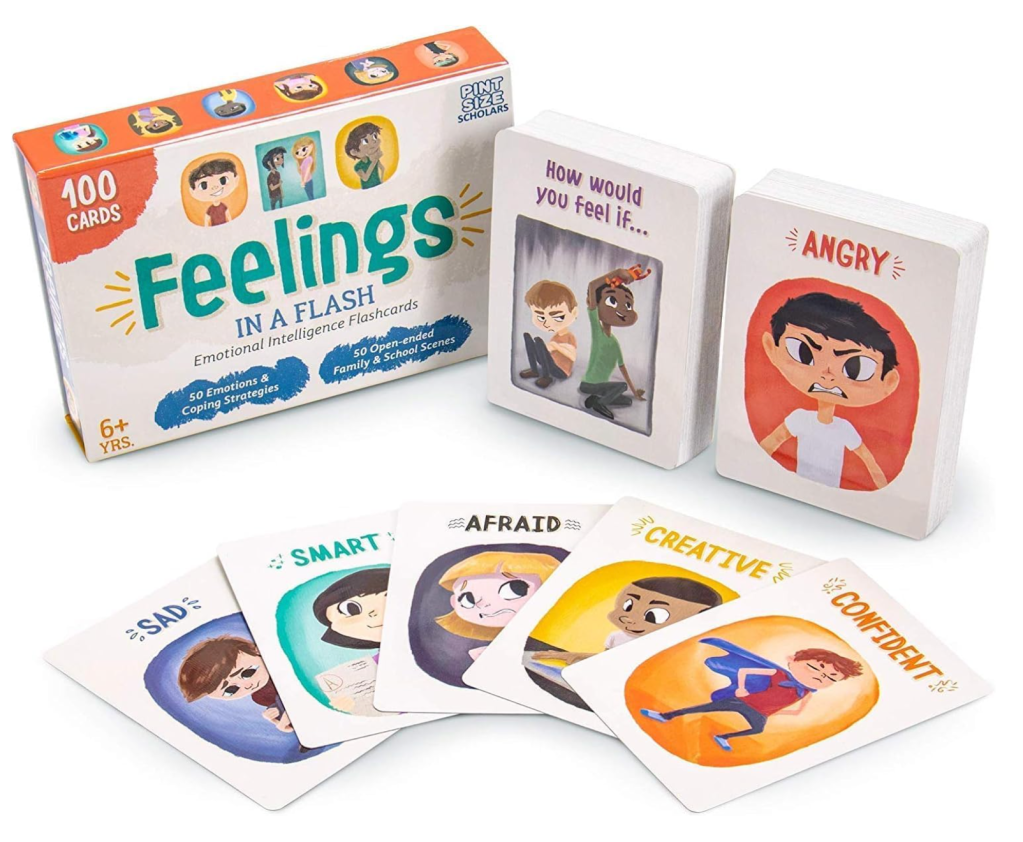
    🎲 Helpful tool: Feelings Flash Cards for Kids — a fun, visual way to help kids learn emotional words through play.

    4. Encourage Play That Builds Empathy

    Play is how kids practice real-life skills.
    Cooperative games, pretend play, and helping with younger siblings all teach emotional attunement.
    Give him space to lead sometimes, and space to follow too.

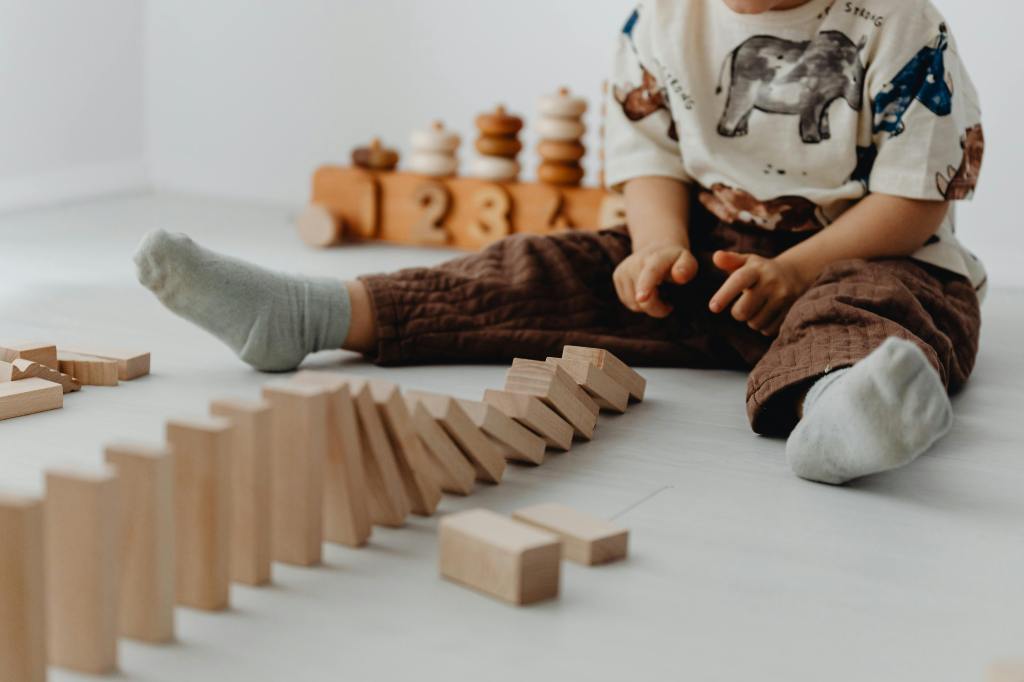
    🎁 Affiliate idea: LEGO Classic Creative Bricks Set — perfect for open-ended, cooperative play that sparks imagination and teamwork.

    5. Challenge Stereotypes (Gently)

    If someone says, “Pink is for girls” or “Boys don’t play with dolls,” use it as a teachable moment.
    Say, “Colors and toys are for everyone, kindness isn’t just for girls.”
    You’re not just raising a good boy, you’re helping raise a better future man.

    🧸 Affiliate pick: Baby Doll for Boys – Manhattan Toy Wee Baby Stella — nurturing play helps kids develop empathy and caregiving skills.

    6. Stay Connected as He Grows

    As boys get older, they may talk less, but connection matters more than ever.
    Keep showing up in small ways: late-night talks, shared hobbies, or quiet drives together.
    The goal isn’t constant conversation; it’s emotional safety.

    The Long-Term Gift

    A boy raised with emotional awareness doesn’t grow into a man who fears vulnerability.
    He becomes someone who leads with empathy, communicates with respect, and loves with strength.
    And that — in every way — makes the world a better place.

    🛒 Featured Affiliate Picks

  • Creating a Calm Morning Routine for Kids (That Actually Works)

    Mornings with kids can feel like a race you didn’t sign up for: shoes missing, cereal spilled, someone crying because the blue cup is missing, and you’re already late.

    But what if mornings didn’t have to feel like chaos?
    What if the first hour of the day could actually set the tone for peace, not panic?

    The truth is: kids thrive on rhythm.
    When they know what to expect, their brains feel safe, and a calm brain listens better, transitions smoother, and connects easier.

    Here’s how to create a morning routine that works for your family, not against it.

    1. Start With Connection, Not Commands

    Before we dive into breakfast and brushing teeth, start your mornings with presence.
    Even 2 minutes of cuddles, eye contact, or silly morning songs can help your child feel grounded and safe, which makes cooperation come naturally.

    💛 Try this: sit beside your child’s bed and whisper, “Good morning, sunshine. I’m so happy to see you.” It sounds small, but it fills their connection cup first, and reduces morning resistance later.

    2. Use a Visual Routine Chart

    Visual cues help kids stay on track without constant nagging.
    A simple chart with pictures for “brush teeth,” “get dressed,” and “eat breakfast” turns the morning into a game instead of a battle.

    🛒 Affiliate pick: Morning Routine Chart for Kids – magnetic and reusable, perfect for toddlers and preschoolers learning independence.

    Visual schedules give kids a sense of control, and control brings calm.

    3. Create a Calm Environment

    So much of morning stress isn’t from your child, it’s from the environment.
    Try setting the stage the night before:

    • Lay out clothes together (so they feel ownership).
    • Keep breakfast simple and predictable.
    • Play gentle instrumental music or morning affirmations instead of loud TV.

    Try this affiliate pick: Hatch Rest Sound Machine – doubles as a nightlight and morning cue, softly signaling “It’s time to get up.”

    4. Keep Choices Simple

    Too many options = overwhelm.
    Offer limited, clear choices: “Do you want oatmeal or toast?” “Blue shirt or yellow?”
    When kids feel involved, they cooperate more, and power struggles fade.

    5. Prepare Yourself First (If You Can)

    It’s hard to pour from an empty cup, especially before coffee.
    If possible, wake up even 10 minutes earlier for quiet time, a stretch, or a mindful breath before the day begins.

    If that’s not realistic right now (we’ve all been there), build “micro-moments” of calm, like deep breathing while making coffee or listening to a calming podcast while dressing your toddler.

    🛒 Affiliate pick: Atomic Habits” by James Clear – a great read for making small, lasting changes that simplify mornings.

    6. Accept That Some Days Won’t Be Calm — and That’s Okay

    You can have the perfect chart, the perfect breakfast, and the perfect plan — and someone will still melt down over socks.
    It’s okay. The goal isn’t perfection; it’s connection.

    Every calm morning starts with one calm parent.
    And that starts with grace.

    Affiliate Favorites to Make Mornings Easier

    🧺 Magnetic Morning Routine Chart
    Contigo Leak-Proof Travel Mug – for the coffee that actually stays warm.
    🌅 Hatch Rest Sound Machine & Light
    📘 “Atomic Habits” – James Clear
    🧸 Morning Affirmation Cards for Kids

    (Affiliate links support Parenting Kindly at no extra cost to you — thank you for helping this community grow!)

  • 10 Toys My Toddler Actually Plays With (and Doesn’t Get Bored Of)

    If you’ve ever stepped on a random plastic toy and wondered why you even bought it, you’re not alone.

    As parents, we want to give our kids toys that help them learn, grow, and stay happily busy, but so many of them lose their magic after a few days. Over time, I noticed a handful of toys that my toddler actually keeps coming back to. Some days she’ll play with them for hours, other days for just a few minutes, but they always find their way back into her little hands.

    These are the toys that have truly lasted in our home, bringing joy, creativity, and calm play without overwhelming our space.

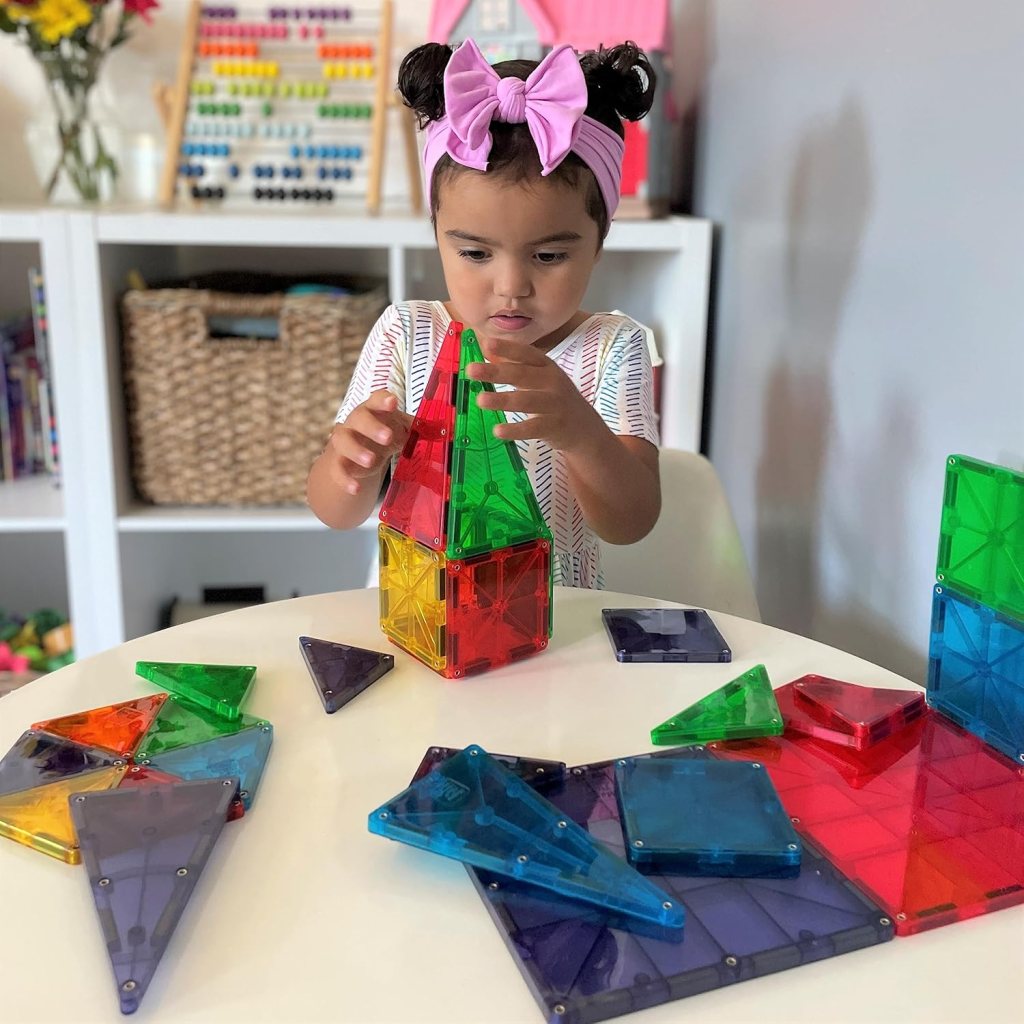
    1. Magna-Tiles

    These magnetic building tiles are pure open-ended magic. My child builds towers, houses, “ice cream shops,” and sometimes just loves watching how the magnets click together.
    They’re perfect for quiet play and building focus.

    🛒 Shop Magna-Tiles on Amazon

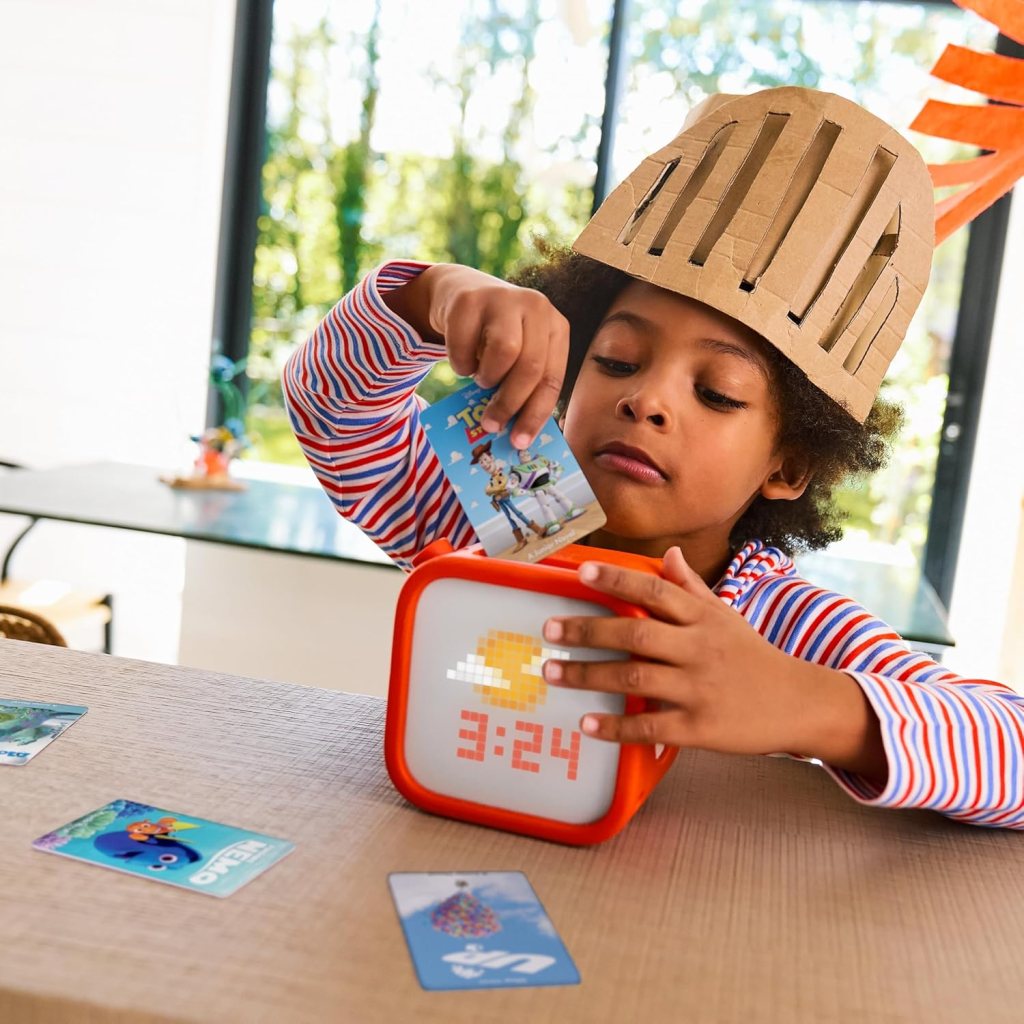
    2. Yoto Player

    Our screen-free companion. The Yoto lets kids choose what to listen to—from bedtime stories to music to mindfulness cards. My toddler loves the feeling of control—slipping in the cards and listening to her favorite songs.

    🛒 Shop Yoto Player on Amazon

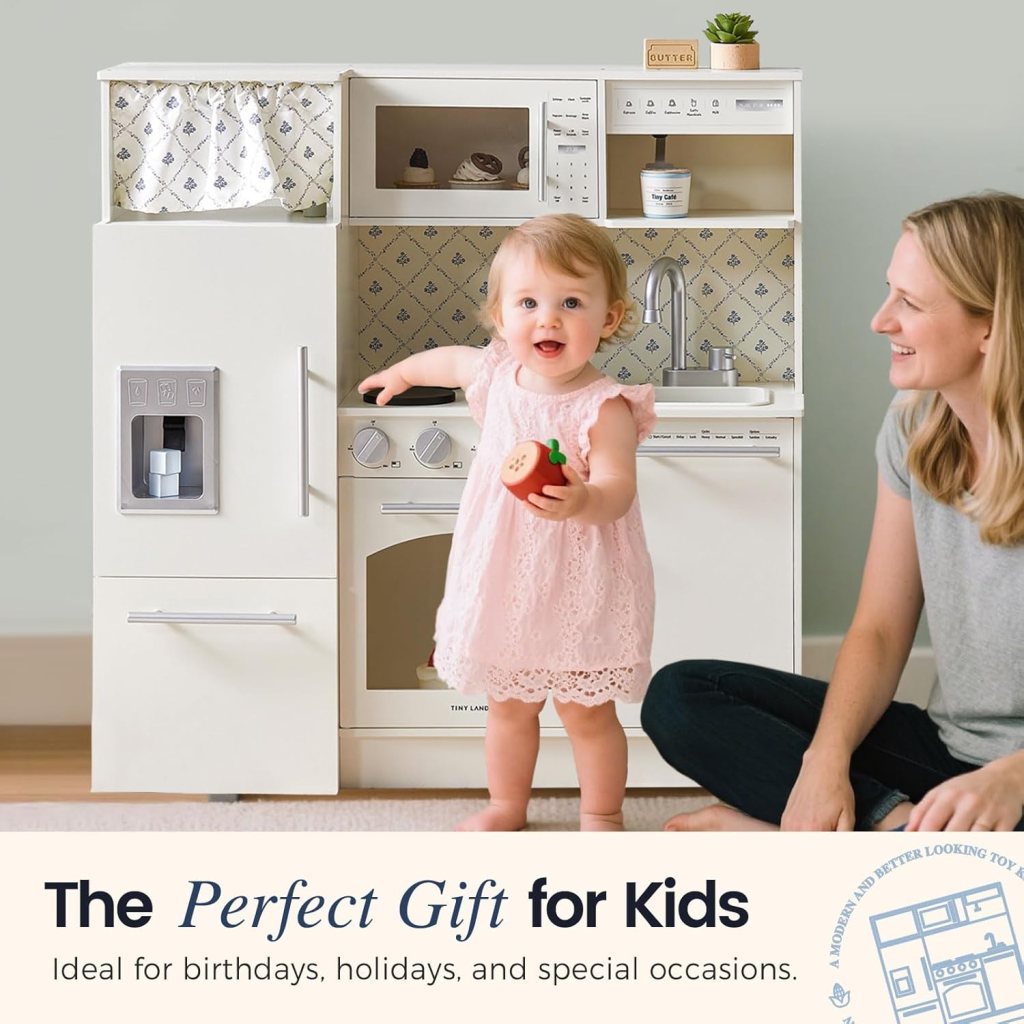
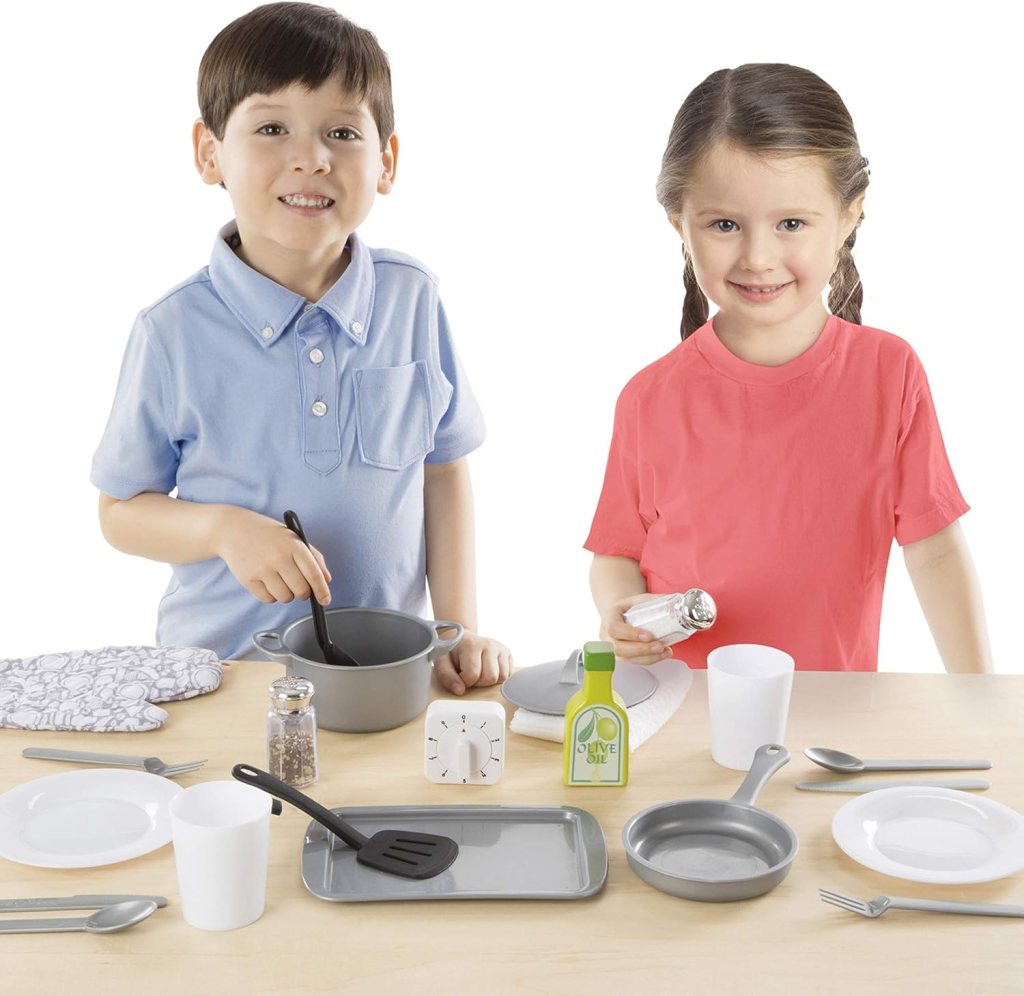
    3. Wooden Kitchen + Pretend Food

    Pretend play is where so much language and creativity bloom. The wooden kitchen is her stage—she “cooks” for dolls, serves snacks, and proudly says, “Dinner’s ready!”
    It’s one of the few toys that naturally invites hours of play.

    🛒 Shop Wooden Play Kitchen
    🛒 Shop Pretend Play Food Set

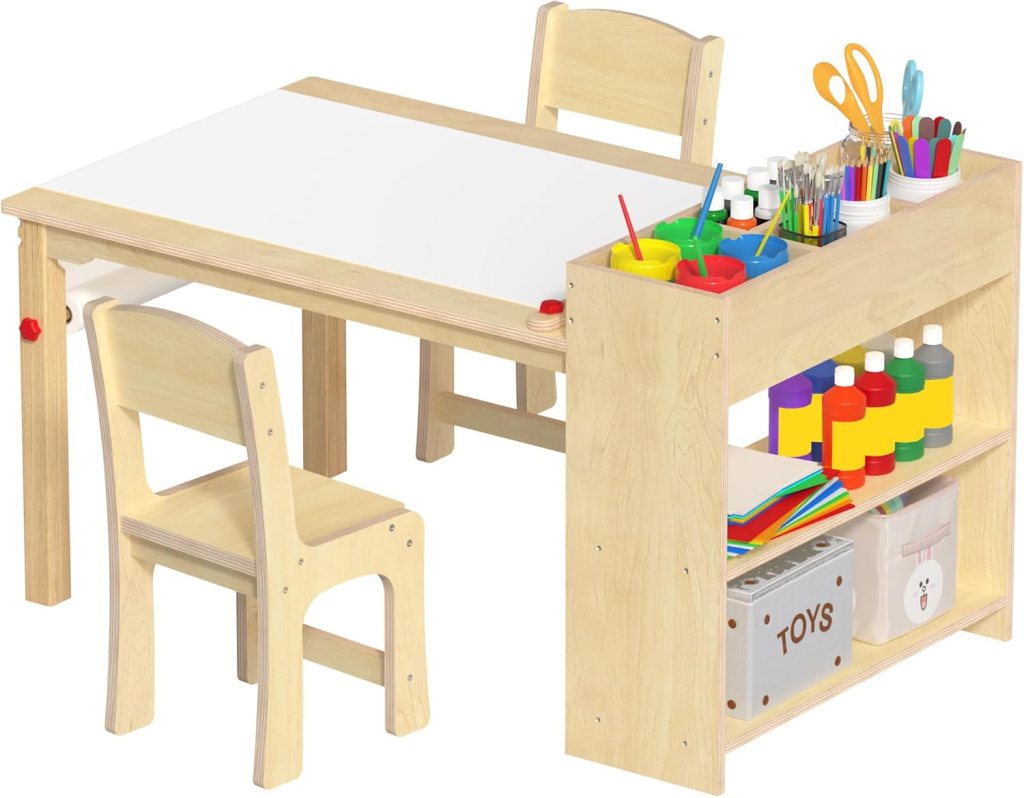
    4. Art Supplies and Toddler Table

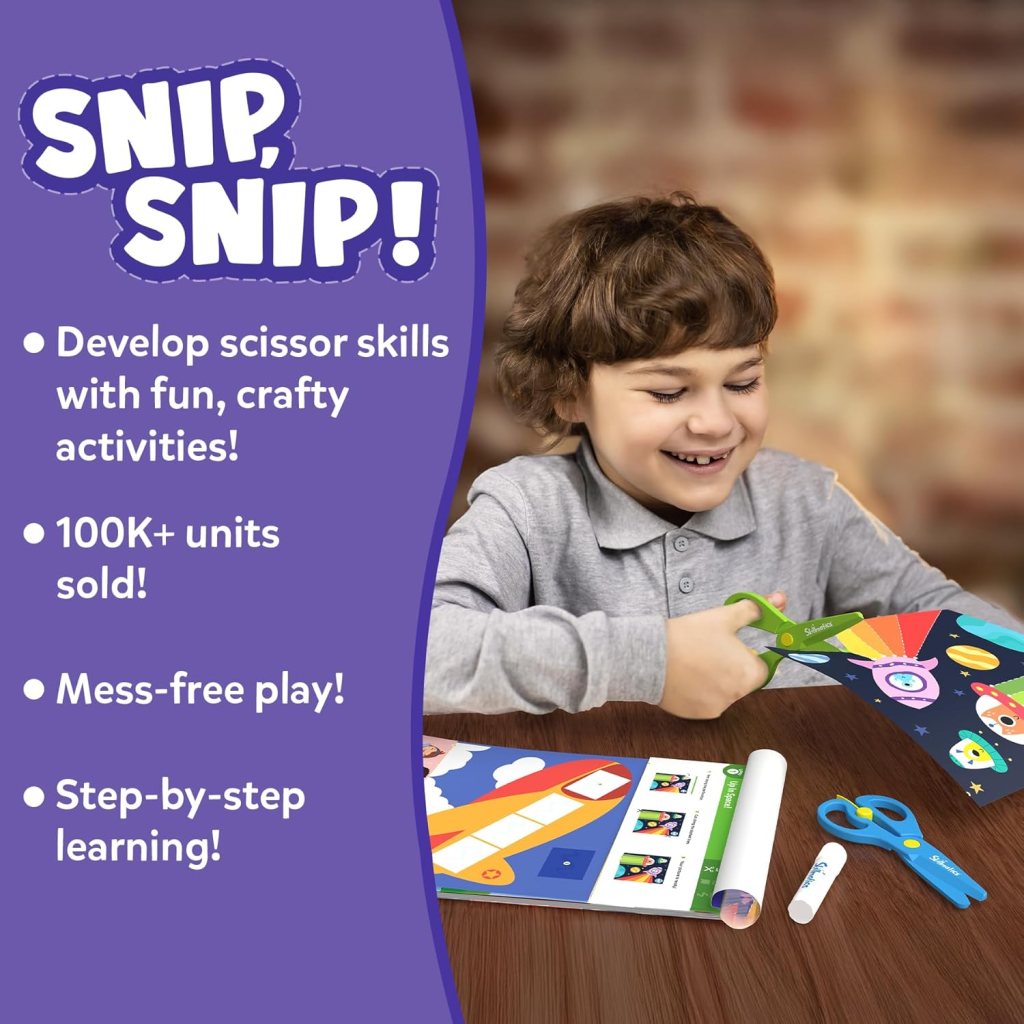
    There’s something magical about giving a child their own art corner. My toddler’s table is where she colors, cuts, and creates (and sometimes makes glorious messes). Scissors are her favorite—cutting paper into confetti is pure joy.

    🛒 Shop Wooden Craft Desk
    🛒 Shop Skillmatics Scissor Skills Activity Book

    5. Play-Doh Set (Melissa & Doug)

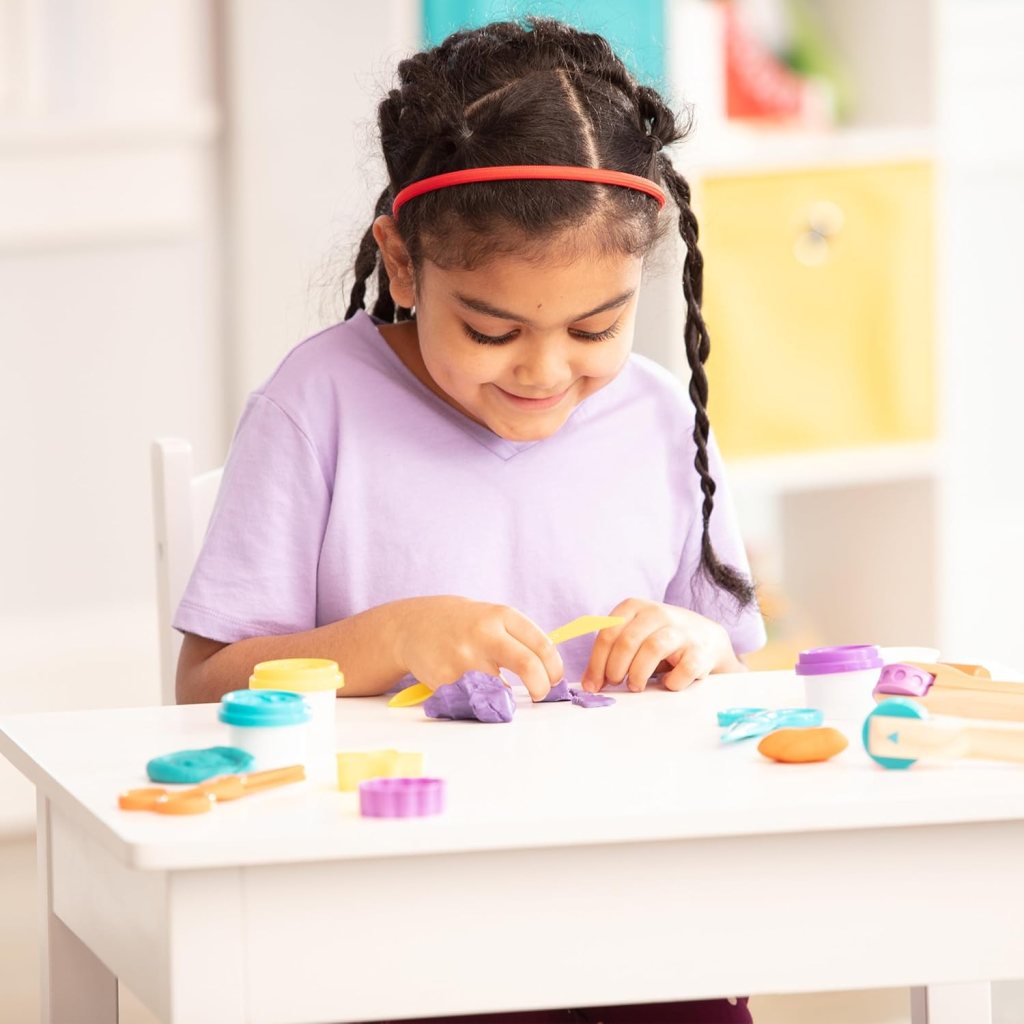
    This one never fails. Whether she’s rolling out pretend pizzas or pressing tiny cookie cutters, Play-Doh keeps little hands busy and minds focused. It’s the perfect calm-down activity before dinner.

    🛒 Shop Melissa & Doug Clay Play Activity Set

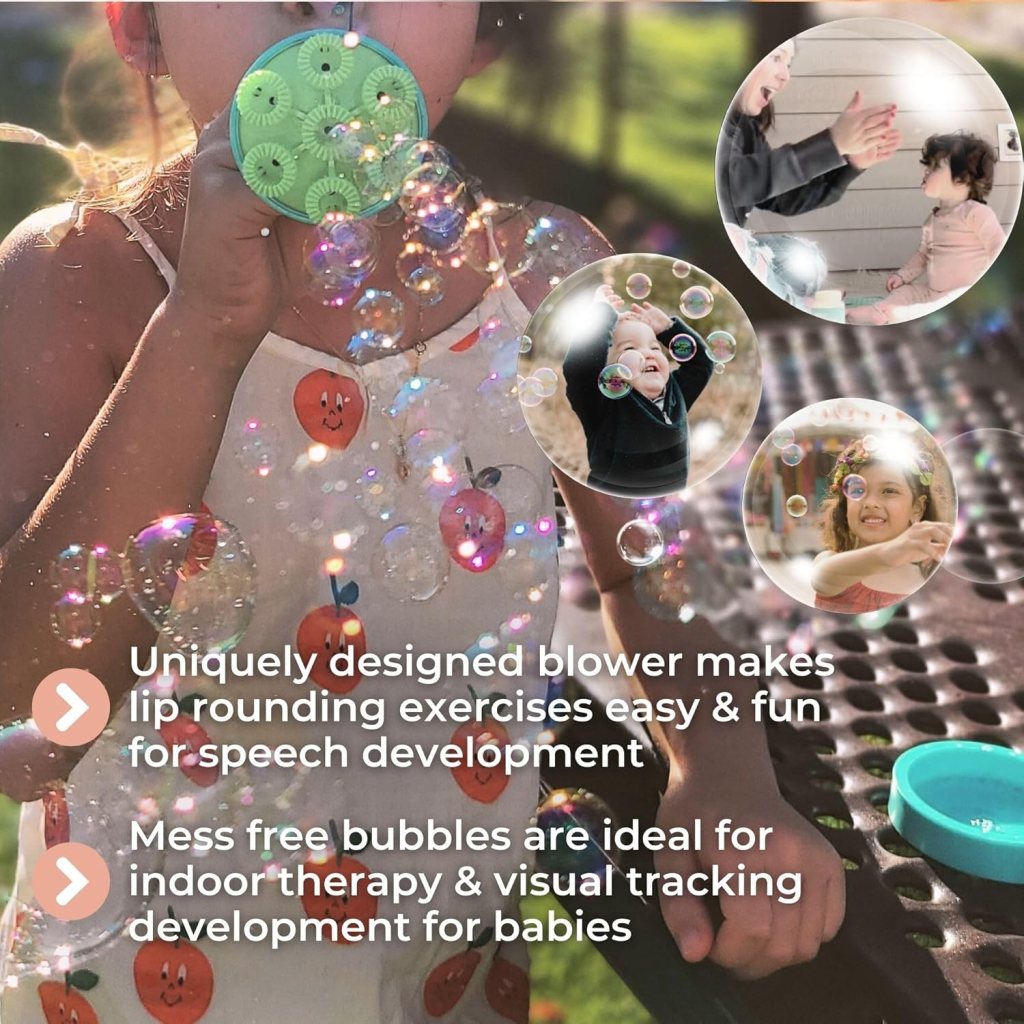
    6. Bubbles

    Simple, timeless joy. We’ve had bubble machines and wands of every shape, and somehow, it’s still the one toy that gets her running, laughing, and chasing every time.

    🛒 Shop Innobaby Spike Bubble Blower

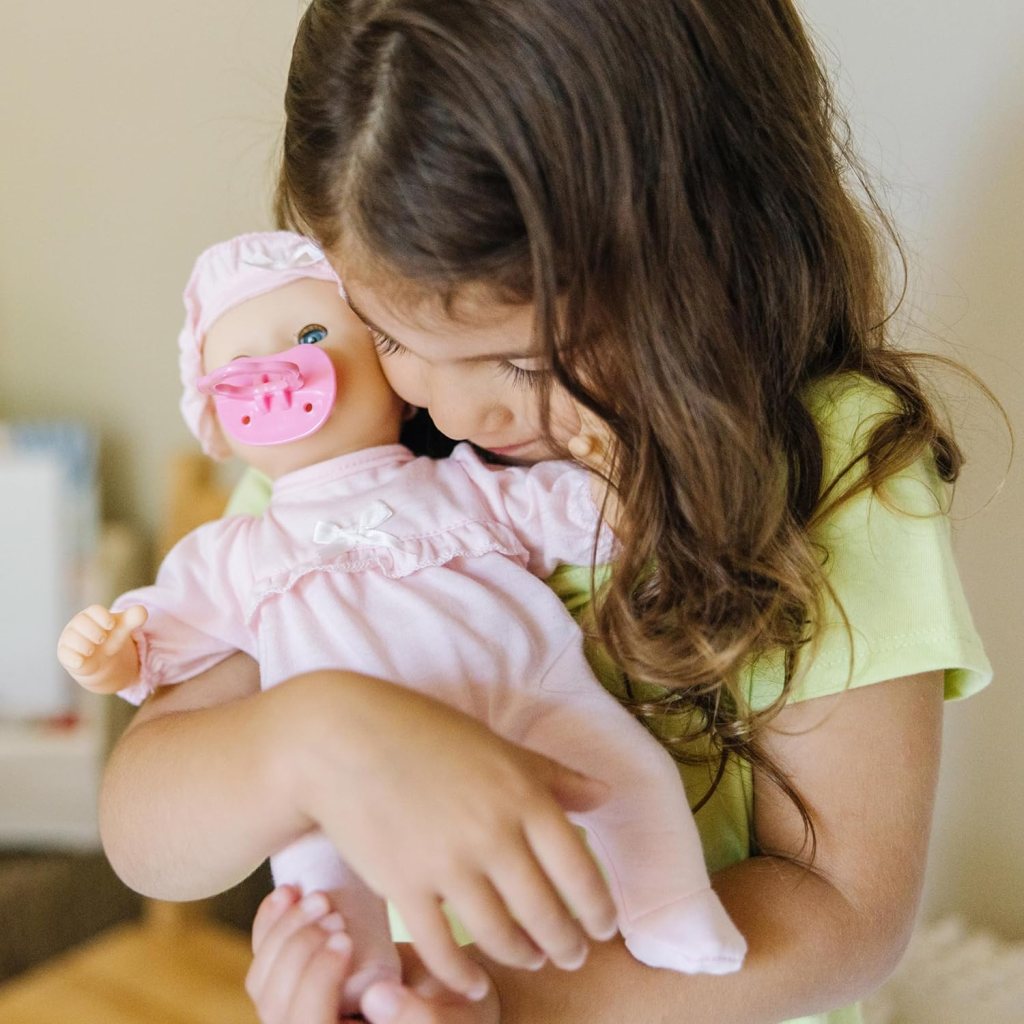
    7. Baby Doll

    Her doll is more than a toy, it’s comfort, imagination, and care practice all in one. She feeds it, rocks it, and tucks it in. It’s beautiful to watch empathy grow through play.

    🛒 Shop Melissa & Doug Mine to Love Baby Doll

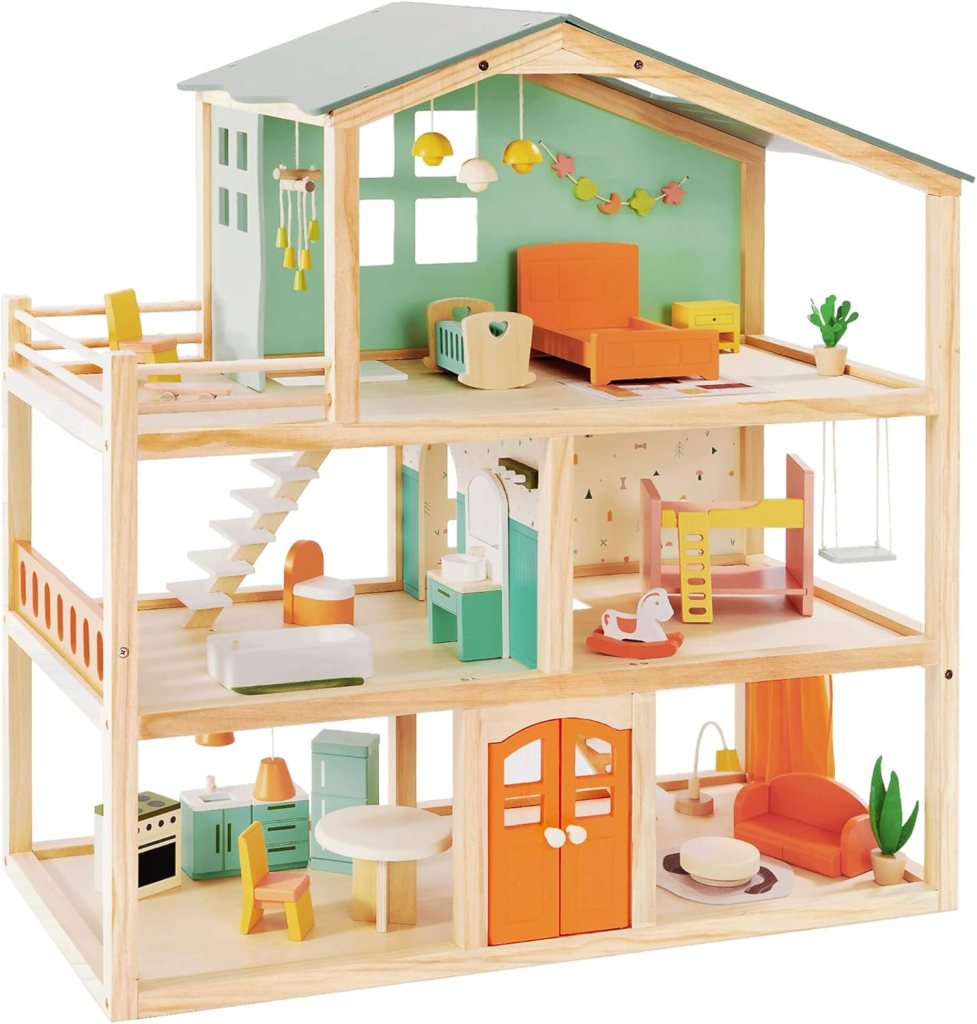
    8. Dollhouse

    The dollhouse has become her little world, rooms filled with stories, tiny cups, and endless scenarios. She makes up whole family scenes, switching roles and voices in ways that always surprise me.

    🛒 Shop Giant bean Large Wooden Dollhouse

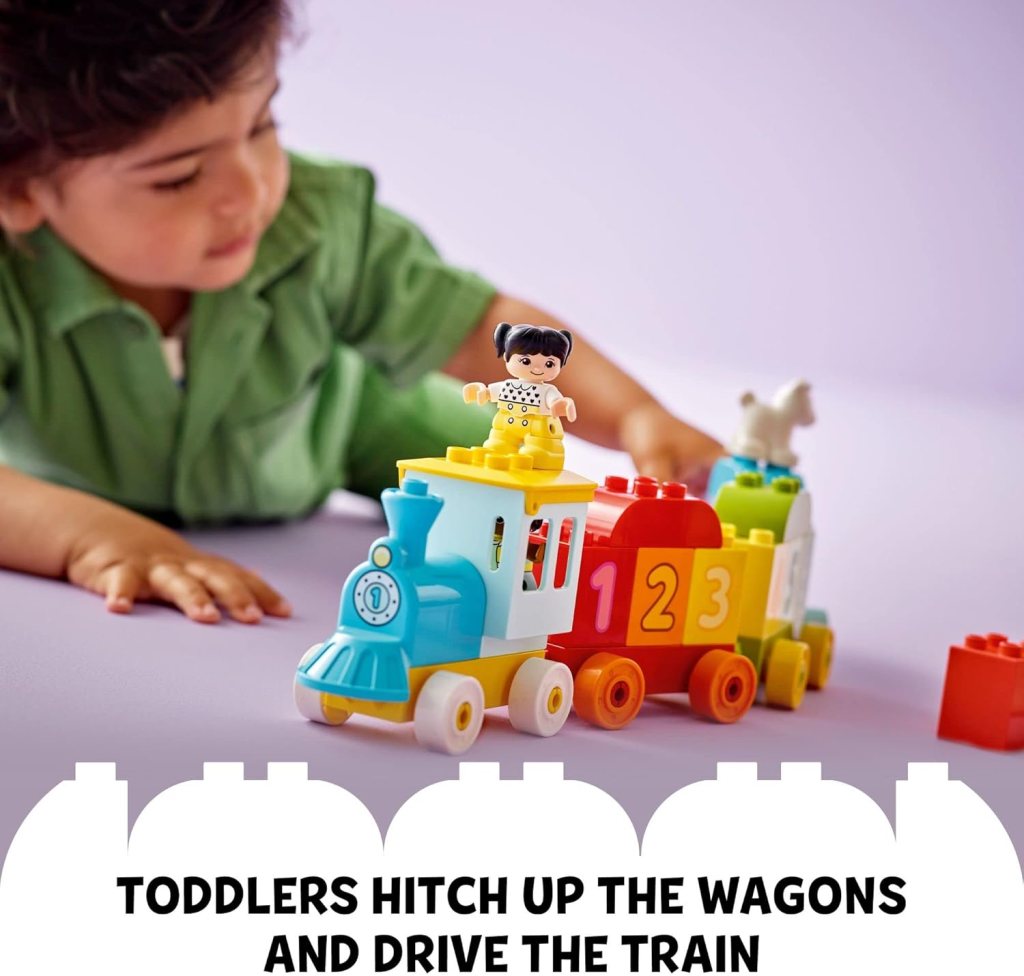
    9. LEGO Duplo Set

    These big, chunky blocks are perfect for small hands. She builds towers, “castles,” and sometimes just loves sorting them by color. They grow with your child, from toddler years to preschool and beyond.

    🛒 Shop LEGO Duplo

    10. Cups + Water

    If I’ve learned one thing, it’s that kids don’t always need fancy toys. Give them cups, spoons, a little water, and freedom, and they’ll create their own world. Water play builds focus, creativity, and calm.
    And best of all—it’s free.

    The Lesson I Learned

    Over time, I realized it’s not about how many toys you have, but how much value each one holds. The best toys invite imagination, not just entertainment.

    If you’re a parent trying to simplify your space (and your sanity), start by observing what your child actually plays with. You’ll see patterns, what sparks their curiosity, what calms them, what builds their creativity.

    Less really can be more, and the toys that last are the ones that grow with your child.

  • The Father-Daughter Bond: How It Shapes Her Self-Worth for Life

    They say a daughter’s first love is her dad. From the way he holds her tiny hand to the way he cheers for her milestones, a father sets the tone for how she will see herself and how she will expect to be treated by others. While moms often get the spotlight in parenting conversations, research and real-life stories alike show that the father-daughter bond is powerful, long-lasting, and deeply influential.

    A dad’s role goes far beyond providing, he becomes a mirror of love, security, and strength for his daughter. When nurtured with care, this relationship can build a foundation of confidence and self-worth that stays with her for life.

    Why the Father-Daughter Relationship Matters

    • Shapes Her Self-Esteem
      A daughter who grows up hearing affirmations like “I’m proud of you” or “You’re strong and capable” is more likely to carry that inner confidence into adulthood. When a father speaks life into his daughter, she learns to believe in herself, even when the world is harsh.
    • Models Healthy Relationships
      The way a father treats his daughter — with respect, patience, and kindness — becomes her blueprint for what love should look like. Many women say their father’s presence (or absence) shaped the kind of relationships they later sought.
    • Provides Emotional Security
      Knowing she has a dad who listens, protects, and supports gives a daughter a sense of safety that helps her take risks, dream big, and bounce back from challenges.

    Ways Dads Can Build Strong Bonds with Their Daughters

    • Spend Intentional One-on-One Time
      Even small moments like breakfast dates, reading together, or bedtime chats create lasting memories. These pockets of undivided attention show her she matters.
      Affiliate idea: A sweet dad-daughter journal like Q&A a Day for Moms and Daughters (works for dads too!) can be a keepsake for conversations.
    • Speak Affirmations Often
      Daughters thrive on encouragement. Simple words like “You’re brave,” “You’re thoughtful,” or “I love how creative you are” become the inner voice she carries.
      Affiliate idea: Affirmation card decks for kids can help dads start meaningful conversations.
    • Show Up for Her Milestones
      Whether it’s a school play, sports game, or art showcase, a dad’s presence means the world. It tells her: “You’re worth showing up for.”
    • Teach Life Skills With Patience
      From riding a bike to managing money, the lessons a father teaches carry weight. When he teaches with patience and encouragement, she learns that mistakes are part of growth.
      Affiliate idea: Beginner tool kits for kids or STEM kits make great dad-daughter bonding projects.
    • Be Affectionate and Present
      A hug, a smile, or simply putting down the phone to listen fully communicates love. Presence is the most powerful gift a dad can give.

    The Lasting Impact

    When a daughter experiences a father’s steady love, she grows up knowing she is valuable, worthy, and deeply loved. That confidence doesn’t just shape her childhood, it follows her into relationships, career choices, and even how she parents one day.

    A father doesn’t have to be perfect to leave a lasting mark. He simply needs to be consistent, loving, and willing to show up. Because in the story of a daughter’s life, her first love will always be Daddy.

  • Beyond Provider: The Emotional Impact of Dads in the Family

    For generations, the role of fathers was painted in narrow strokes: work hard, provide for the family, and let Mom handle the day-to-day raising of the kids. While financial stability matters, research — and the lived experiences of countless families — show that children need much more from their dads than just a paycheck.

    Dads shape the emotional climate of a home in profound ways. They model strength, yes, but also empathy, patience, and presence. The emotional impact of a father can echo through a child’s self-esteem, relationships, and even their mental health for years to come.

    Why Fatherhood Is More Than Provision

    Many dads still feel pressure to measure their worth by how much they earn. But studies consistently show that children benefit most from fathers who are present and engaged. Even small acts — bedtime stories, showing up at a school performance, playing on the floor after work — send a powerful message: You matter. I see you.

    It’s not about the hours of availability; it’s about the quality of connection. A dad who works long hours but still makes intentional time to connect can leave just as strong an imprint as one who’s home more often.

    How Dads Influence a Child’s Development

    1. Emotional Regulation
      Kids learn how to manage their emotions by watching their parents. When a dad stays calm during stress or admits when he needs a break, he shows his child that strength includes self-control and vulnerability.
    2. Confidence and Risk-Taking
      Children with supportive dads often feel more secure exploring the world. A father’s encouragement can spark curiosity, bravery, and resilience — all while knowing they have a safe anchor to return to.
    3. Modeling Respectful Relationships
      The way a dad treats his partner, his own parents, or even strangers teaches children what respect looks like. For sons, it becomes a roadmap for how to treat others; for daughters, it can shape expectations of how they deserve to be treated.
    4. Mental Health Benefits
      Studies link involved fatherhood to lower rates of anxiety and depression in kids. The consistent presence of a caring dad helps create a sense of security that lasts into adulthood.

    Breaking Out of Old Stereotypes

    Many men grew up with fathers who were distant, stoic, or solely focused on work. That generational model can make emotional fatherhood feel foreign. But today’s dads have an opportunity — and a responsibility — to redefine what it means to be strong.

    Strength isn’t silence. It isn’t hiding emotions. True strength is showing up, admitting mistakes, apologizing when needed, and choosing connection over pride.

    Practical Ways Dads Can Show Up Emotionally

    • Listen more than you lecture. Sometimes kids don’t need answers — just to be heard.
    • Create small rituals. A bedtime story, Saturday breakfast, or after-school walk builds security.
    • Say “I love you” often. Don’t assume your kids just know. Words matter.
    • Model calm during conflict. How you handle disagreements at home teaches kids how to navigate their own relationships.
    • Invest in yourself. Caring for your mental health, friendships, and personal growth equips you to parent from a healthier place.

    A Dad’s Presence Lasts a Lifetime

    Years from now, children won’t remember what you earned or how many hours you worked. They’ll remember how you made them feel: safe, loved, and seen.

    When dads embrace their role beyond provider, they become something far greater — a steady, grounding force that shapes their children’s sense of self and their vision of what love looks like.

    Resources to Support Dads on the Journey

    Being an intentional, emotionally present dad doesn’t mean going it alone. These resources can help you grow, connect, and thrive in fatherhood:

    📚 Helpful Books for Dads

    📝 Tools for Connection

    • Dad & Me Journal — an interactive keepsake journal with prompts for dads and kids to share memories, stories, and thoughts together.
    • Family Conversation Cards — easy, fun ways to spark meaningful talks with kids of different ages.
  • The Truth About Mom Rage (and How to Break the Cycle)

    We don’t talk about it much, but it’s there. That flash of heat in your chest when your toddler screams “no” for the 50th time. The way your jaw clenches when you trip over yet another pile of toys. The moment when the noise, the mess, the demands — all of it — feels too heavy, and you snap.

    It’s called mom rage, and it can be scary. Not just for our kids, but for us too. Because under the yelling isn’t just anger; it’s guilt, shame, and the fear that we’re becoming the very parent we promised ourselves we’d never be.

    But here’s the truth: mom rage doesn’t mean you’re a bad mom. It means you’re human, and you’re carrying more than your nervous system can hold.

    Why Mom Rage Happens

    1. The invisible load.
    Beyond the tasks everyone sees, moms often carry the mental load: remembering doctor’s appointments, meal planning, school forms, keeping the household afloat. It’s constant, and it’s exhausting.

    2. Hormonal and nervous system shifts.
    Motherhood isn’t just an emotional journey, it’s a physiological one. Hormones shift dramatically during pregnancy and postpartum, and studies show they can take up to six years to recalibrate. Add in lack of sleep, and your nervous system stays on edge.

    3. Suppressed needs.
    Many moms put themselves last. Meals eaten standing up, bathroom breaks cut short, hobbies forgotten. When your needs go unmet for too long, small irritations hit harder.

    4. Unrealistic expectations.
    We’re told “good moms” are endlessly patient, always nurturing, always calm. When we inevitably fall short of that impossible standard, the shame piles on, fueling the cycle of rage and guilt.

    How to Break the Cycle

    1. Learn to notice your triggers.
    Mom rage often builds in patterns. Maybe it’s bedtime chaos, constant whining, or the noise level during dinner prep. Naming your triggers doesn’t mean avoiding them, it means planning ahead with calming strategies.

    2. Reset your nervous system in the moment.
    When you feel the heat rising:

    • Step into another room for a few breaths.
    • Splash cool water on your face.
    • Use grounding tools like pressing your feet into the floor or holding something cold.
      These quick resets signal your body that you’re safe, lowering the intensity before it boils over.

    3. Repair when things go too far.
    Every parent loses it sometimes. What matters most is what happens next. A simple, “I’m sorry I yelled. I was feeling overwhelmed. You didn’t deserve that,” models accountability and emotional repair. It teaches kids that relationships can be mended.

    4. Lower the mental load.
    Delegate tasks when you can; to your partner, older kids, or even through simplifying routines. It’s not weakness to need help; it’s sustainability.

    5. Build small, daily refills.
    Think of self-care not as spa days (though those are lovely) but as daily practices that refuel you: a quiet coffee before the house wakes, a walk outside, journaling for five minutes. These small acts add up.

    6. Challenge the guilt narrative.
    Remind yourself: feeling anger doesn’t erase your love. The goal isn’t to never feel frustrated, it’s to have tools to handle it and move forward without shame.

    Gentle Support Picks (Affiliate Suggestions)

    These aren’t magic fixes — but they can help create small, calming resets in your day:

    A Calmer Way Forward

    Mom rage thrives in silence and shame. But when we name it, understand it, and take small steps to reset, the cycle begins to break.

    You don’t have to be the perfectly patient mom. You only need to be a growing, healing one, willing to repair, refill, and keep showing up.

    Because the truth is: when you care for yourself, you’re not just calming your own storms. You’re teaching your children how to weather theirs, too. 💛

    👉 Want a simple tool to help? Grab your free “Mom Reset Checklist” below, with practical steps you can use in the moment and daily resets that actually make a difference.

    Download the Free Mom Reset Checklist Here!
  • Best Self-Care Gifts for Tired Moms That They’ll Actually Use

    If there’s one thing every mom has in common, it’s this: we’re tired. From the never-ending laundry piles to the emotional load of keeping everyone’s world together, rest often feels like a luxury instead of a basic need. That’s why when it comes to gifts for moms, the best ones aren’t flashy or complicated—they’re practical, thoughtful, and designed to give us actual relief.

    So whether you’re shopping for yourself (yes, you deserve it) or for another mom in your life, here’s a list of self-care gifts that tired moms will not only love but actually use.

    1. Weighted Blanket for Deeper Sleep

    Forget the spa weekend—sometimes what a mom really needs is a good night’s sleep. A weighted blanket feels like a hug for your nervous system, helping the body relax and fall asleep faster. Even a quick 20-minute nap under one can feel like a full reset.

    👉 Great pick: Amazon Weighted Blanket (available in multiple weights and sizes).

    2. Noise-Canceling Headphones

    Let’s be real—sometimes self-care means tuning out the chaos for a few minutes. Whether it’s listening to calming music, a podcast, or just enjoying silence, noise-canceling headphones give moms the gift of peace in the middle of everyday life.

    👉 Try: Sony Noise-Canceling Headphones for serious quiet time.

    3. A Cozy Robe That Feels Like a Hug

    Self-care doesn’t always look like fancy skincare—it’s often the small comforts. A plush robe makes mornings and evenings feel softer, like a signal to slow down. It’s not about “getting dressed”—it’s about being wrapped in warmth while sipping coffee (that may or may not be reheated three times).

    👉 Favorite: Barefoot Dreams CozyChic Robe — moms rave about this one.

    4. A Journal Made for Overloaded Moms

    Sometimes our heads feel heavier than our bodies. A guided journal gives moms a safe place to brain-dump the mental load, track gratitude, or just reflect for five minutes before bed. It’s a way to release without judgment.

    👉 Good choice: The Five Minute Journal — quick, doable, and mom-life friendly.

    5. Skincare That’s Actually Simple

    No mom has time for a 12-step skincare routine. A hydrating overnight mask or a luxurious face oil can make you feel human again—with almost no effort. The trick is choosing products that work while you sleep.

    👉 Try: Laneige Water Sleeping Mask (hydration without the fuss).

    6. Aromatherapy Diffuser for Instant Calm

    Kids have meltdowns, laundry piles up, and dinner burns—sometimes all in one evening. An essential oil diffuser can transform the energy of a room in minutes. Lavender for calming, citrus for a mood boost—tiny rituals like this can reset the whole family’s atmosphere.

    👉 Favorite: ASAKUKI Essential Oil Diffuser

    7. A Coffee Upgrade (Because… Moms)

    Let’s face it: coffee is a lifeline. But reheating the same cup three times? Not self-care. A milk frother or a temperature-controlled mug can make even home coffee feel special—and a tired mom feel just a little more taken care of.

    👉 Great gifts:

    8. Foot Massager You Don’t Have to Share

    After chasing toddlers or standing at work all day, feet deserve attention. A heated foot massager is one of those gifts that sounds “extra” until you actually try it—and then it becomes a necessity.

    👉 Recommendation: Shiatsu Foot Massager with Heat

    9. Subscription That Takes Work Off Her Plate

    The ultimate self-care gift might not be “stuff” at all—it’s relief from one task. Meal kit subscriptions, grocery delivery, or even a cleaning service gift card can make a bigger difference than any bubble bath.

    👉 Ideas: HelloFresh or Instacart Gift Card

    10. A Solo Night Away

    This one isn’t sold on Amazon, but it’s worth mentioning. Sometimes the best gift is time. A solo night in a hotel (even just in town), away from responsibilities, is life-changing. Pair it with one of the items above, and you’ve given a mom the most priceless thing of all: a chance to breathe.

    Final Thoughts

    Self-care for moms doesn’t have to be extravagant, it just has to be real. The best gifts are the ones that help her rest, recharge, and remember she’s more than just her to-do list. Whether it’s a soft robe, a diffuser, or a simple night off, these gifts say: I see you, and you matter too.

  • The Hidden Shift: Why Moms Often Face Anxiety and Health Struggles Years After Birth

    When I had my daughter, I thought I had escaped postpartum depression. I made it through those blurry newborn months without the crushing sadness I had read so much about. I felt lucky. But then, out of nowhere—when she turned three—I started experiencing panic attacks, anxiety, and a string of health issues I couldn’t make sense of.

    It blindsided me. Wasn’t I supposed to be “past” the hard part?

    The truth is, so many mothers go through a delayed emotional and physical crash not in the first few weeks postpartum, but years later. And science is beginning to explain why.

    The Forgotten Years: Six Years of Pouring Out, With Little Pouring In

    From the moment a baby is born, the focus is on their needs: feeding, sleeping, safety, development. And for most moms, this focus doesn’t stop at the baby stage. It continues for years.

    Research suggests that the early years of parenting (especially the first six) are some of the most demanding of a parent’s life. You’re not just raising a child; you’re shaping their entire foundation. It’s constant decision-making, constant giving, constant carrying of the mental and emotional load.

    And for many moms, there’s no time left to tend to themselves. Friendships fade, hobbies are dropped, and even basic health appointments get postponed. You wake up one day and realize: you don’t fully know who you are anymore, outside of being “Mom.”

    Hormones Don’t Just Reset at 6 Weeks—They Shift for Years

    We often hear about the “6-week postpartum checkup” as if that’s the milestone where everything goes back to normal. But biologically, that couldn’t be further from the truth.

    Pregnancy and breastfeeding dramatically alter a woman’s hormones. Estrogen, progesterone, cortisol, and even thyroid hormones fluctuate not just in the first months, but in the years that follow.

    Recent studies suggest it can take up to six years for a woman’s body to fully recalibrate hormonally after having a baby. Six years. No wonder so many moms find themselves dealing with anxiety, fatigue, or health struggles long after the baby stage.

    Anxiety and Panic Attacks: The “Delayed” Postpartum Effect

    For some moms, anxiety doesn’t show up in the newborn stage, it sneaks in later. It can look like:

    • Panic attacks that come out of nowhere
    • Racing thoughts at night
    • Physical symptoms like heart palpitations, headaches, or stomach issues
    • A constant sense of being “on edge”

    These struggles aren’t a sign of weakness. They’re a mix of hormonal imbalance, nervous system overload, and years of running on empty.

    Loss of Identity: Who Am I Outside of “Mom”?

    The early years are so consuming that many moms lose touch with themselves. When your days revolve around meals, tantrums, and school pickups, your own needs quietly slip to the bottom of the list.

    By the time your child is three, four, or five, you may look around and realize you don’t recognize the woman in the mirror anymore. The things that used to bring you joy—reading, painting, traveling, even simple rest—feel distant.

    That loss of identity often amplifies anxiety. Because it’s not just about exhaustion; it’s about grief for the parts of yourself you’ve put aside.

    Why Talking About This Matters

    Most moms don’t know that what they’re experiencing is normal. They feel ashamed for struggling “so late” after birth, or they think something is wrong with them. But knowing the biology, the hormonal science, and the emotional reality gives us compassion for ourselves.

    This isn’t weakness. It’s the natural cost of years of pouring out without enough time, support, or recovery.

    What Helps Moms in This Season

    While every journey is different, here are a few things that can make a difference:

    1. Medical Checkups Matter
      If you’re dealing with anxiety, fatigue, or strange symptoms, don’t brush it off. Thyroid disorders, hormonal imbalances, and nutrient deficiencies are common in moms after years of depletion.
    2. Therapy and Support
      Talking to a counselor, or even joining a supportive mom group, can ease the sense of isolation. Sometimes the simple reminder that “you’re not alone” is medicine in itself.
    3. Tiny Acts of Self-Reclamation
      Instead of waiting for “me time” that may never come, look for small ways to reconnect with yourself daily. A journal. A solo walk. Music that’s yours. Small, but powerful.
    4. Rest Isn’t Lazy—It’s Medicine
      Many moms carry guilt for slowing down. But rest isn’t indulgent, it’s necessary for healing. Even 10–15 minutes of intentional rest can begin to reset your nervous system.

    A Gentle Reminder

    If you’re a mom feeling blindsided by anxiety, panic, or health struggles years after giving birth, you’re not alone and you’re not broken. Your body and mind are asking for attention, after years of giving.

    Motherhood is a marathon, and sometimes the hardest miles come not at the start, but right in the middle, when no one expects you to be struggling.

    But healing is possible. With small steps, intentional support, and compassion for yourself, you can feel like you again. And when you begin to care for yourself, you’re not just healing your own body, you’re showing your kids what it looks like to live whole and well.

    Tools That Can Help

    Here are a few resources moms find helpful in this season (affiliate links):

    👉 Grab your free “Mom Reset Checklist” below!

    Download the Free Mom Reset Checklist Here!
  • Calm-Down Corner Essentials: What Actually Helps Kids Reset

    Tantrums. Meltdowns. Emotional outbursts. Whatever you call them, they can turn a peaceful day upside down in seconds.

    As parents, it’s easy to feel frustrated or helpless in those moments. We might be tempted to send our child to their room or put them in time-out; but often, that just leaves everyone feeling more disconnected.

    What kids really need is a safe space to feel their feelings and tools to move through them. That’s where a calm-down corner comes in.

    A calm-down corner is not a punishment. It’s not a “naughty chair.” Instead, it’s a cozy spot you create in your home where your child can go to reset, regulate, and return when they’re ready. Think of it as a “yes space” for emotions.

    So how do you set one up in a way that actually works? Here’s a step-by-step guide, plus the essentials that can make all the difference.

    Why a Calm-Down Corner Works

    Children don’t come into the world knowing how to manage big feelings. Self-regulation is a skill that develops over time, and it requires practice.

    According to child development research, the part of the brain responsible for calming down (the prefrontal cortex) is still developing well into early adulthood. This means kids often rely on external tools and caregiver support to regulate their emotions.

    A calm-down corner gives them:

    • A physical boundary → a defined spot that signals “this is where I go to reset.”
    • Predictability → kids feel secure when they know what to expect.
    • Practical tools → sensory objects, visuals, and comfort items that help them move through stress.
    • Connection → a chance to learn emotional regulation with your presence, not in isolation.

    Over time, children internalize these calming strategies and begin to use them on their own. That’s why creating one now can be such a gift for later.

    Step 1: Choose the Right Spot

    You don’t need a playroom or extra bedroom to make this work. Even the smallest home has a corner that can be transformed.

    Look for a space that feels:

    • Quiet → away from the busiest areas of the house.
    • Safe → no sharp corners, heavy furniture, or breakables.
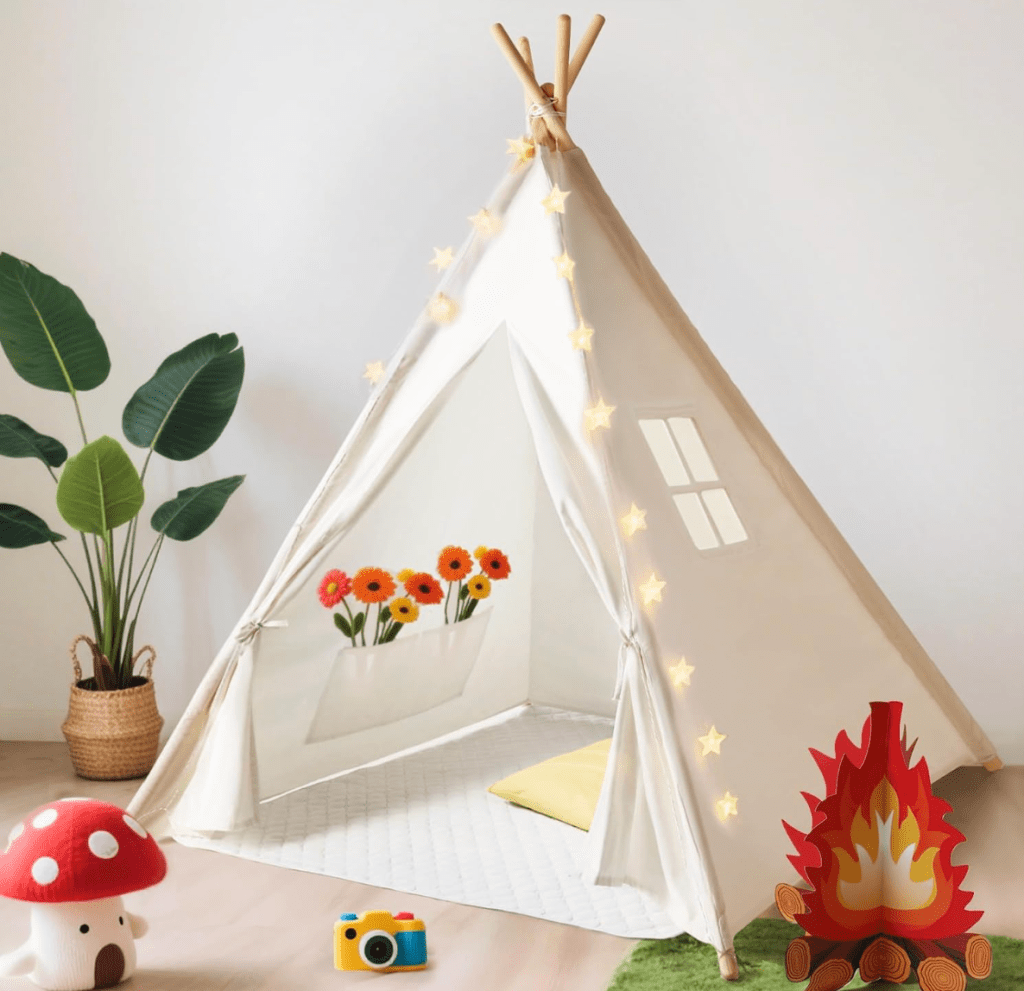
    • Defined → kids understand boundaries best when there’s a clear visual cue, like a rug or canopy.

    ✨ Ideas: a corner of the living room, under the stairs, a cozy nook in the child’s bedroom.

    👉 Amazon pick: Kids Teepee Tent

    Step 2: Add Cozy Comfort

    Big emotions feel overwhelming, so comfort matters. Think soft, inviting, and soothing.

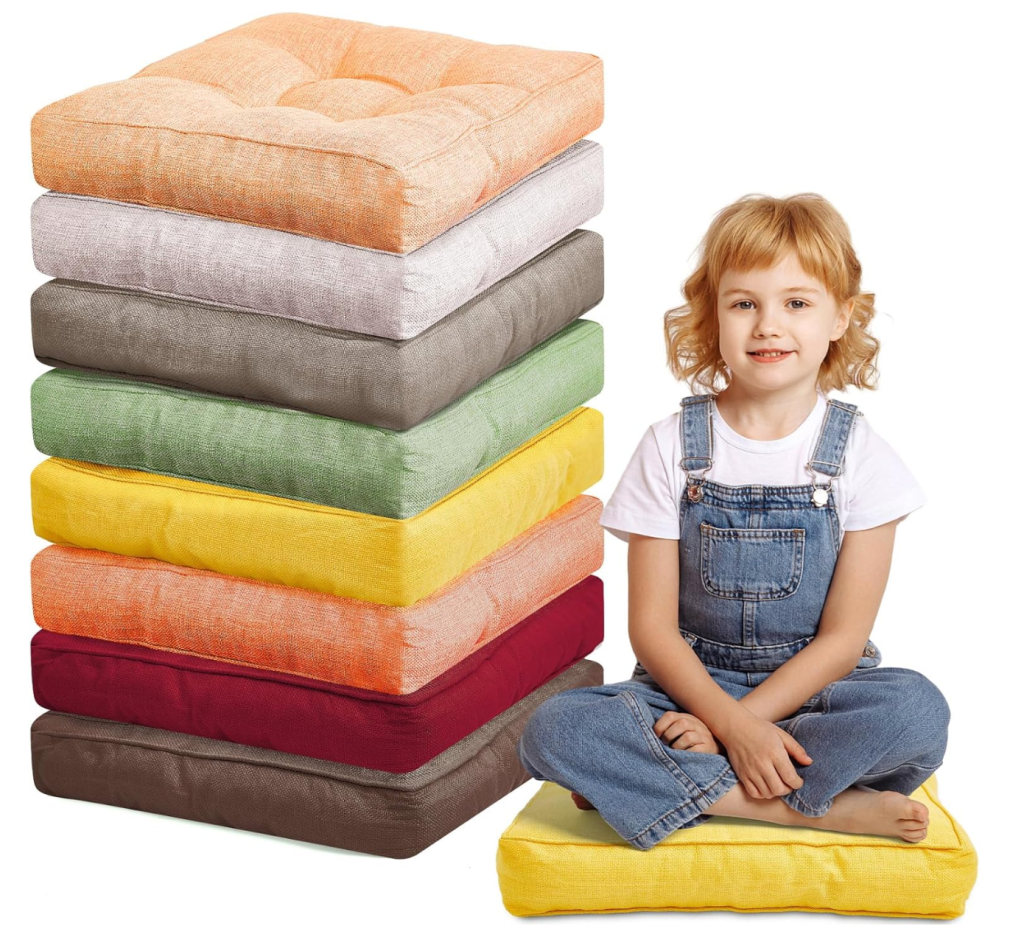
    • Floor cushions or bean bags
    • A small blanket or throw
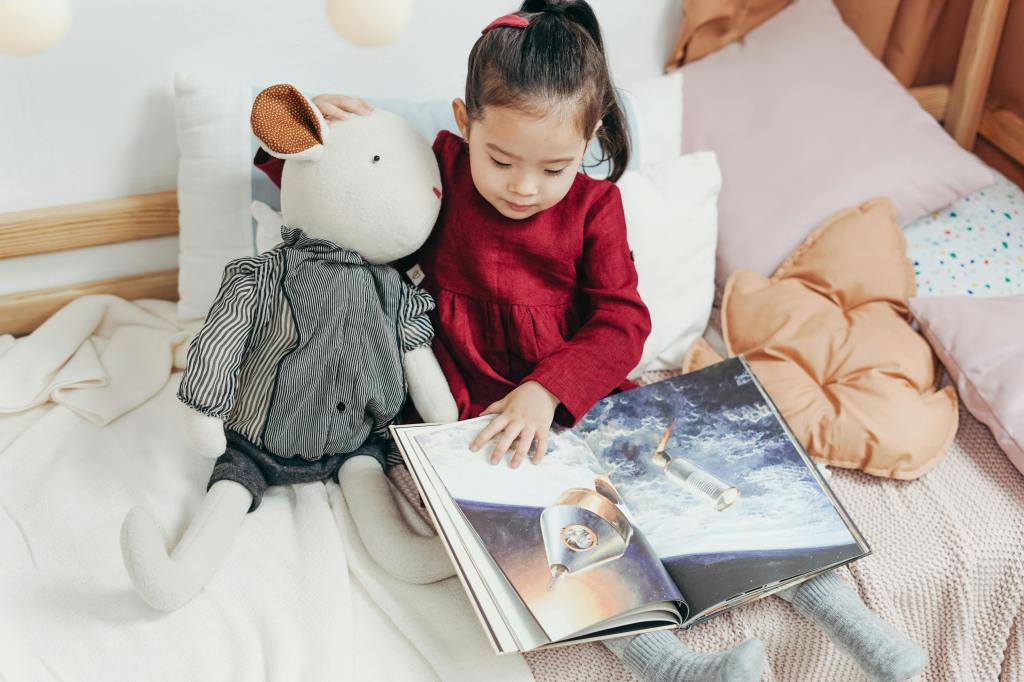
    • A few beloved stuffed animals
    • A weighted lap pad for extra grounding

    👉 Try: Soft Floor Cushion | Plush Weighted Lap Pad

    Step 3: Include Emotional Tools

    Kids need help connecting their inner experience with words and visuals. Emotional tools support this learning process.

    • Feelings charts or flashcards → kids point to how they feel.
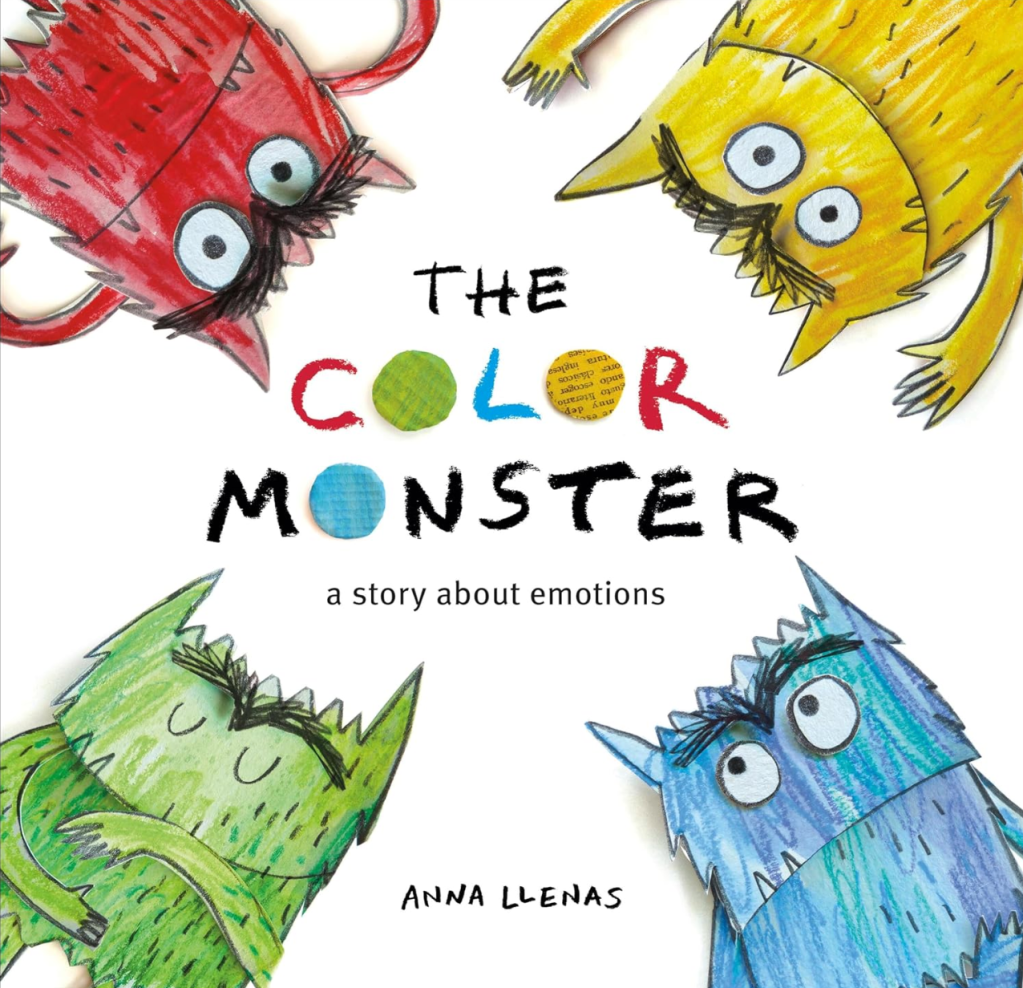
    • Books about emotions → stories help normalize feelings.
    • Mirror → kids can see their expressions and connect it to feelings.

    👉 Try: Feelings Flashcards | Toddler Emotions Book

    Step 4: Sensory Helpers That Work

    Regulation often starts with the body, not words. Sensory play gives kids a hands-on way to calm.

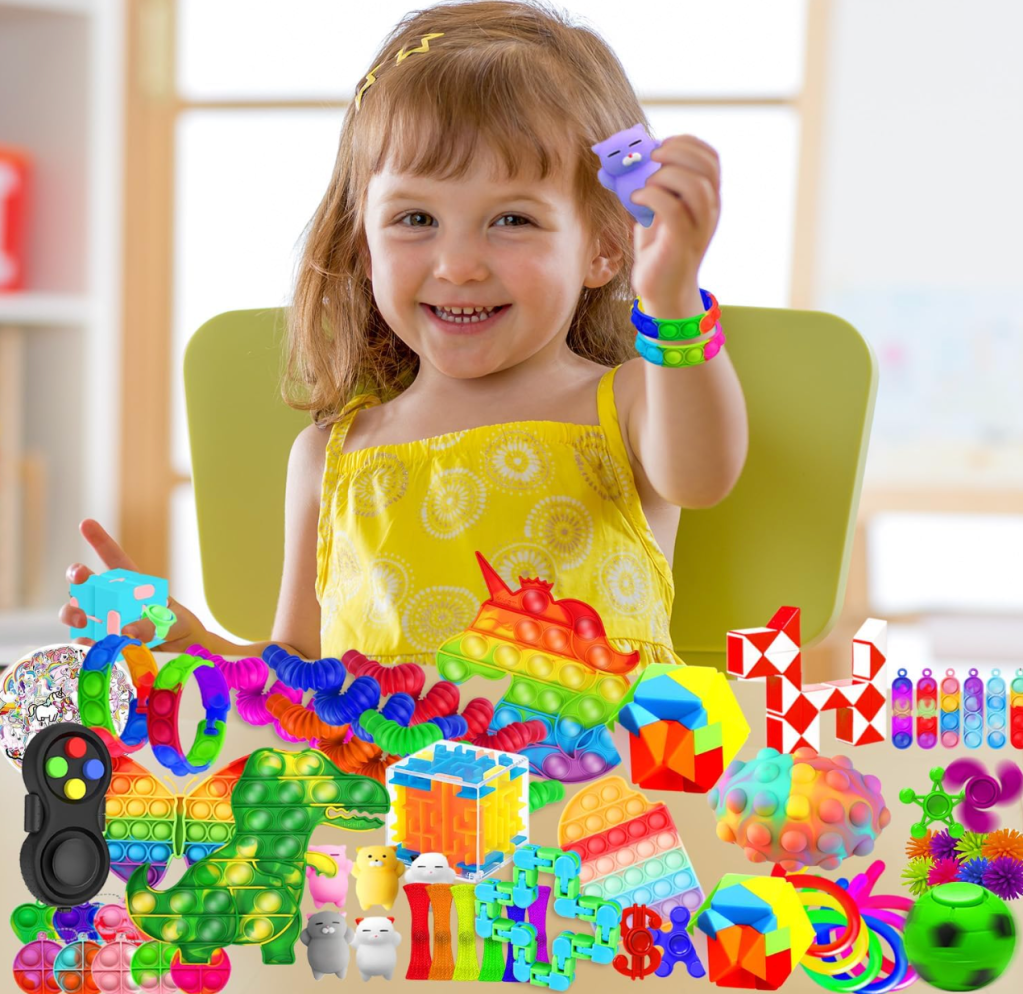
    • Stress balls or squish toys
    • Fidget spinners or pop-its
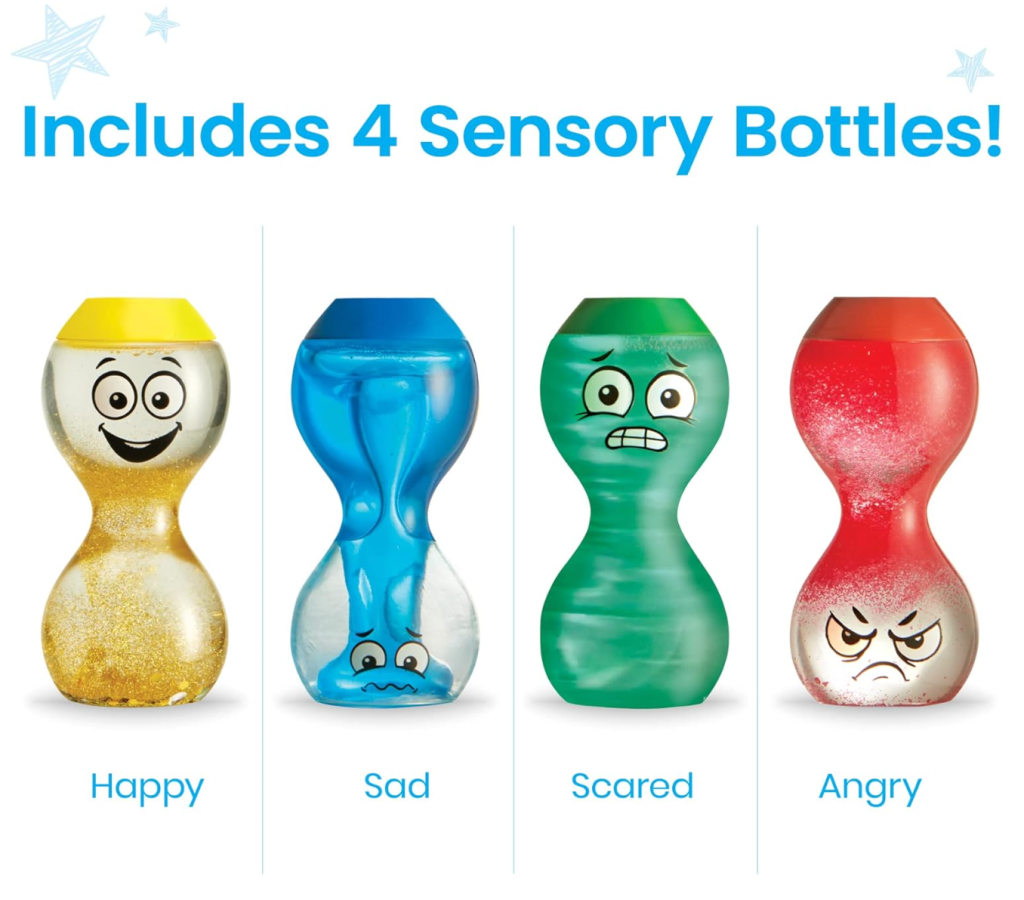
    • Glitter jars or calm-down bottles
    • Noise-canceling headphones (for sensitive kids)

    👉 Try: Fidget Toy Pack | Calm-Down Sensory Bottles

    Step 5: Breathing and Mindfulness Prompts

    “Take a deep breath” isn’t easy for a 3-year-old. But make it fun, and suddenly, they can.

    • Blowing bubbles (slow, steady breathing)
    • Pinwheels or party blowers
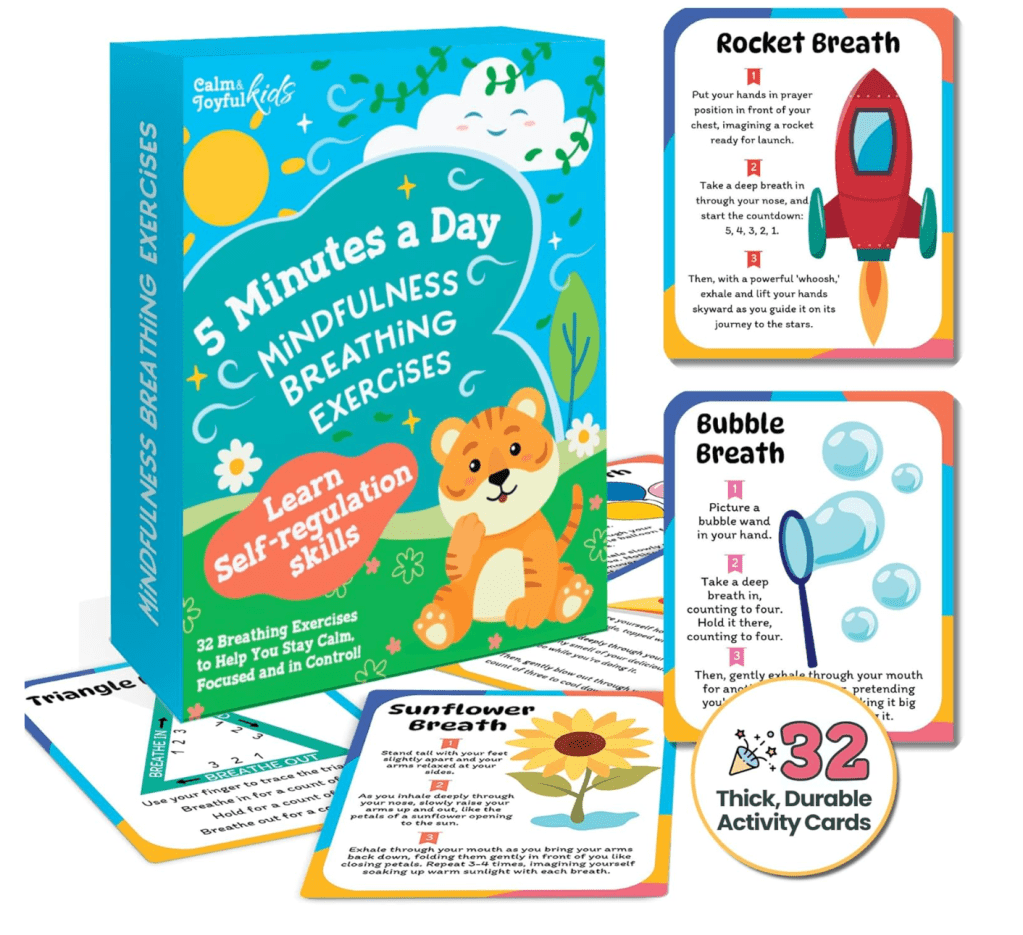
    • Breathing cards or mindfulness games
    • A simple mat for stretching

    👉 Try: Breathing Exercise Cards

    Step 6: Lighting and Atmosphere

    Our environment directly impacts our nervous system. Harsh overhead lights? Not calming. Warm, cozy glow? Much better.

    • Small night light projector
    • Himalayan salt lamp
    • Fairy lights or string lights

    👉 Try: Kids Night Light Projector

    Step 7: Parent Presence Matters

    A calm-down corner isn’t always meant to be used alone. Sometimes your child needs you to sit beside them, modeling deep breaths or simply staying near.

    You don’t have to talk or “fix it.” Just your presence can signal safety. Over time, your child will learn to use the space independently too.

    What to Avoid in a Calm-Down Corner

    • Too many toys → it’s not a play area, but a reset space.
    • Screens → calming should come from connection and sensory tools, not distraction.
    • Shaming language → never call it the “bad spot” or use it as punishment.

    Final Thoughts

    A calm-down corner doesn’t need to be Pinterest-perfect. It just needs to be intentional. Even one soft cushion, a stuffed animal, and a feelings chart can make a difference.

    By giving your child a safe space to reset, you’re teaching them one of life’s most important skills: how to handle emotions with kindness and resilience. And that’s a tool they’ll carry long after childhood. 💛

  • Parenting Without a Village: Finding Support When You Feel Alone

    You’ve probably heard the phrase, “It takes a village to raise a child.” But what happens when you don’t have one?

    Maybe your family lives far away. Maybe friendships changed once kids came along. Or maybe you’re surrounded by people, but still feel like you’re carrying the weight of parenting all on your own.

    If this is you, you’re not broken, you’re human. And while it can feel lonely, you can build support even without the traditional “village.”

    Why the Village Matters (and Why It’s Hard Today)

    For centuries, raising children was shared work. Grandparents, neighbors, aunts, uncles — everyone played a role. A parent wasn’t meant to carry it all alone.

    Today, many of us are parenting in isolation. Families are spread across states (or countries), community ties aren’t as strong, and social media sometimes replaces real connection. Add to that the pressure to “do it all” without asking for help, and it’s no wonder so many parents feel depleted.

    But here’s the thing: parenting was never designed to be a one-person job. You deserve support, and your kids benefit when you have it.

    Where to Find Support When You Don’t Have a Village

    1. Start small and local.
    A “village” doesn’t need to be big. It could start with one trusted friend, a neighbor, or another parent you connect with at the park. Sometimes it’s about quality, not quantity.

    2. Join parent groups.
    Check local libraries, community centers, or parenting organizations for parent-and-child activities. Even if it feels awkward at first, showing up regularly helps build familiar faces into friendships.

    3. Lean on the people you already know.
    Even if they’re not parents, siblings, cousins, or close friends can still show up for you. Sometimes you don’t need “new” people, just deeper support from the ones you already trust.

    4. Use online spaces carefully.
    Parenting groups on Facebook or neighborhood apps can be helpful, but choose wisely. Look for communities that feel supportive, not judgmental, and remember you don’t owe anyone your story if it doesn’t feel safe.

    5. Ask for and accept help.
    This one feels hardest for many of us. But letting someone drop off a meal, watch your child for an hour, or even run an errand isn’t weakness. It’s practicing community.

    6. Build professional support.
    Therapists, parent coaches, or even a pediatrician you trust can become part of your village. Having safe places to process your feelings matters.

    What to Remember on Lonely Days

    • Connection takes time. Friendships don’t happen overnight. Be patient with yourself as you put yourself out there.
    • You’re not alone in feeling alone. Many parents are silently wishing for more support too. Sometimes they’re just waiting for someone else to make the first move.
    • Your kids don’t need a perfect village. They just need to see you supported, and to feel that you’re not carrying the world on your shoulders.

    Building Your Own Version of a Village

    A “village” today might look different than it did generations ago. It might be a mix of relatives, friends, neighbors, and professionals. What matters is that you find ways to share the weight.

    And if your support system feels small right now, don’t lose hope. Each step you take toward connection, even a simple conversation at the playground, is planting seeds.

    💛 Gentle Reminder: Parenting without a village is hard, but you don’t have to stay lonely. Little by little, connection can be built. And as you do, both you and your child benefit.

    Gentle Support Picks (Affiliate Suggestions)

    Here are a few encouraging resources for parents who feel alone:

    ✨ Want more gentle parenting support?

    👉 Subscribe to Parenting Kindly for weekly encouragement, practical tips, and free printables made for parents like you.