• Taking Care of Yourself So Your Kids Don’t Have to Heal From You Later

    We all want the best for our kids. We work hard, pour into them, and try to give them a better childhood than we had. But sometimes, in the rush of parenting, we forget something important: the version of us they get every day becomes part of their story.

    When we push ourselves past exhaustion, ignore our own feelings, or keep carrying old wounds without tending to them, it shows up; in how we speak, in how we listen, in how we react. Kids don’t just remember our words. They feel our energy.

    And here’s the truth: taking care of yourself isn’t selfish. It’s one of the most loving things you can do for your child.

    Why Your Well-Being Matters

    • Kids model what they see. If they watch you handle stress in healthy ways; taking a break, talking it out, going for a walk; they learn to do the same.
    • Unhealed pain can leak out. Old wounds don’t just disappear with time. If we don’t face them, they can turn into impatience, harsh words, or emotional distance.
    • Your calm sets their calm. A parent’s nervous system directly influences a child’s. When you regulate yourself, you make it easier for them to regulate too.
    • Love isn’t just what you give them. It’s also how safe they feel in your presence. A calmer, cared-for parent makes a safer-feeling home.

    What Taking Care of Yourself Can Look Like

    It doesn’t mean spa days every weekend (though those are nice, too). Self-care can be small, daily practices that build resilience over time:

    • Sleep first. It’s not always easy, but rested parents are more patient parents.
    • Move your body. Even a 10-minute walk counts. Exercise helps release stress and reset your mood.
    • Find safe outlets. Journaling, prayer, therapy, or talking with a trusted friend can help lighten the weight.
    • Protect small joys. Reading a chapter of a book, savoring coffee while it’s still hot, or listening to music you love.
    • Set boundaries. Saying “no” to what drains you means saying “yes” to showing up better for your kids.
    • Reach for help. Sometimes the bravest act of care is asking for support, whether from a partner, family, or a professional.

    Healing Is a Gift You Give Them

    When you choose to take care of your mental and emotional health, you’re not just doing it for yourself. You’re breaking cycles, rewriting patterns, and teaching your kids that caring for themselves is normal, not something they’ll have to learn later in therapy.

    Your kids don’t need you perfect. They don’t need you happy every second of the day. What they need is a parent who’s willing to pause, reflect, and repair when things get messy. They need to see that even grown-ups keep learning.

    Every time you choose to rest instead of push, breathe instead of snap, or apologize instead of defend, you’re showing them what healthy love looks like.

    💛 Gentle Reminder: The more you pour into yourself, the less your kids will grow up needing to pour from empty cups to recover later.

    Gentle Support Picks (Affiliate Suggestions)

    Here are some small, practical tools that can help you build in daily care:

    ✨ Want more gentle parenting support?

    👉 Subscribe to Parenting Kindly for weekly encouragement, practical tips, and free printables made for parents like you.
  • Best Montessori Bookshelf Ideas for Small Spaces

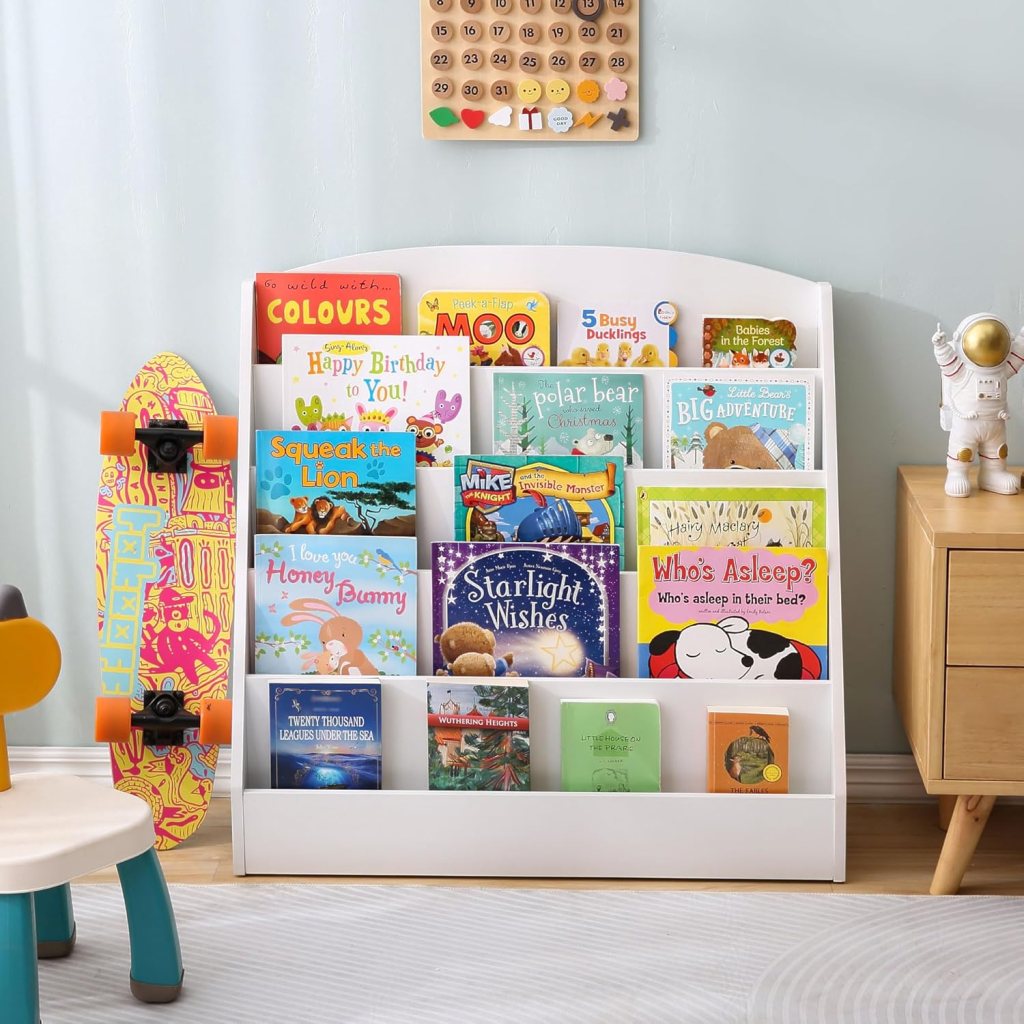
    If you’ve ever tripped over a pile of books in your living room, you’re not alone. One of the simplest and most loved Montessori principles is giving children access to their books, displayed in a way that invites them to read. But what if you don’t have a huge playroom or a wall to spare?

    The good news: Montessori bookshelves are designed to be simple, low, and accessible, and they can fit even the coziest apartment. Let’s look at how you can set up a Montessori-style book corner, no matter how little space you have.

    What Makes a Bookshelf “Montessori”?

    A Montessori bookshelf isn’t about being fancy, it’s about being functional for your child. The key features are:

    • Low height – your toddler should be able to reach books on their own without climbing.
    • Forward-facing – books are displayed with covers visible, not stacked with spines out. This makes choosing a book inviting and simple.
    • Uncluttered – only a handful of books are out at a time. You can rotate them to keep things fresh.

    This setup supports independence: your child chooses, reads, and puts books away without needing you to reach or guide.

    Small Space Tips

    You don’t need a whole wall for a Montessori bookshelf. Try these ideas for tight spaces:

    • Corner shelves – tuck a small unit into unused nooks.
    • Narrow vertical shelves – take advantage of height instead of width.
    • Rotating collection – keep just 5–8 books out and store the rest in a closet to swap weekly.
    • Multi-purpose shelves – combine books + toy storage in one compact unit.

    Even one small shelf at your toddler’s height can create a cozy reading corner.

    Best Montessori Bookshelves for Small Spaces

    Here are some parent-approved options that fit Montessori principles and work beautifully in apartments or small homes:

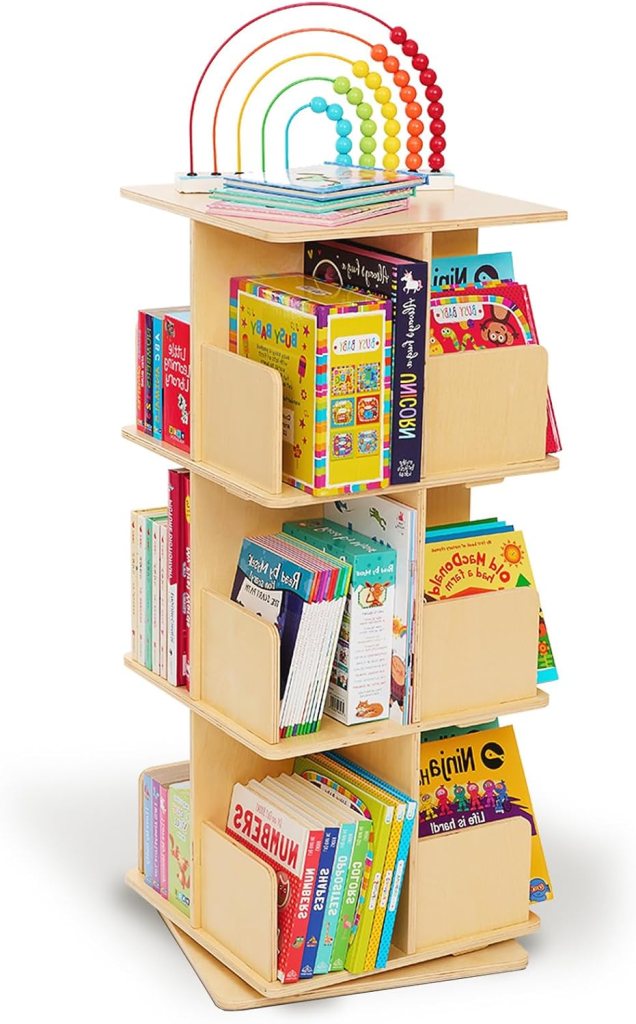
    1. Forward-Facing Wooden Bookshelf

    Simple, classic, and perfectly child-sized. Lets your toddler see every cover at a glance.
    👉 Wooden Montessori Bookshelf (Amazon)

    2. Slim Vertical Bookshelf with Bins

    Great if you don’t have wide wall space; this one is tall and narrow, with a lot of storage space.
    👉 Space-Saving Vertical Bookshelf (Amazon)

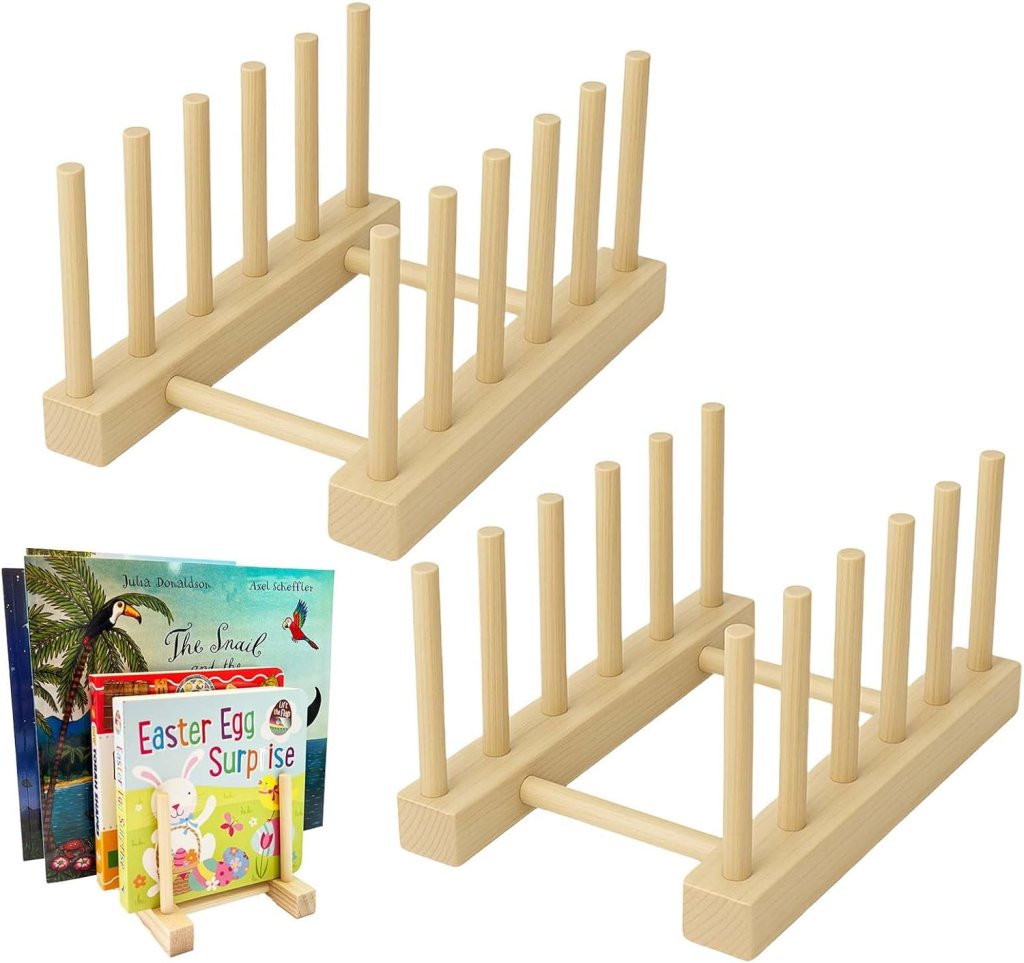
    3. Foldable Fabric Book Rack

    Budget-friendly and portable. Perfect for renters or small rooms where you may want to move it around.
    👉 Portable Kids Book Rack (Amazon)

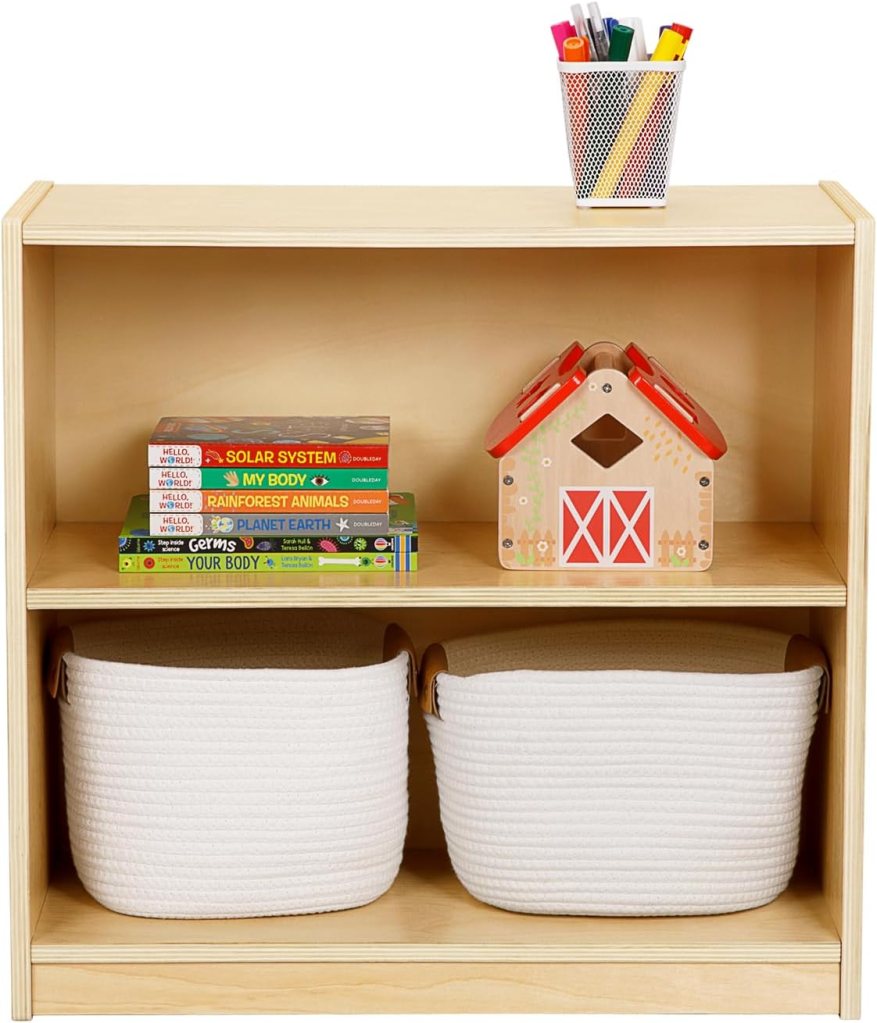
    4. Bookshelf + Toy Storage Combo

    A two-in-one solution for small homes: books on top, baskets for toys underneath.
    👉 Montessori Shelf with Storage (Amazon)

    DIY & Budget-Friendly Options

    If you’re creative, you can build Montessori-inspired shelves without spending much:

    • Floating wall ledges (installed low on the wall so toddlers can reach).
    • Wooden crates turned on their sides for easy access.
    • Wicker baskets for a simple, cozy alternative.

    Remember: it’s less about the exact shelf and more about making books visible and accessible.

    Final Thoughts

    Montessori is about creating independence, not filling your home with expensive furniture. Even in a small space, one low, simple bookshelf can spark your toddler’s love of reading.

    👉 Want to bring Montessori into your home with ease? Download your free Montessori Starter Checklist below and get started today.

    Download the Free Montessori Starter Checklist Here!
  • Best White Noise Machines for Baby Sleep (Parent-Tested Picks)

    When my baby was a newborn, I swore I’d never buy one of those fancy gadgets. “A machine for sleep? Can’t I just shush?” I thought.

    But by month three, I was pacing the hallway at 2 a.m., whispering “shhh” like my life depended on it. My arms ached, my baby’s cries were louder than my heartbeat, and I finally gave in to what other parents had been telling me: white noise works.

    I remember the first night I tried it, an inexpensive little machine a friend loaned me. I clicked it on, and to my shock, my baby’s eyes fluttered closed within minutes. That constant hum drowned out the barking dogs outside, the dishes clanking in the sink, and even my own creaky floorboards. It felt like magic.

    White noise didn’t “fix” every sleep struggle (let’s be honest, teething and sleep regressions have no mercy). But it gave us longer stretches of rest, and it helped me feel less desperate at night. And once I talked to other parents, I realized almost everyone had a favorite machine that got them through those bleary months.

    So, if you’re curious, or in the middle of those sleepless nights; here are some parent-tested picks that are actually worth it.

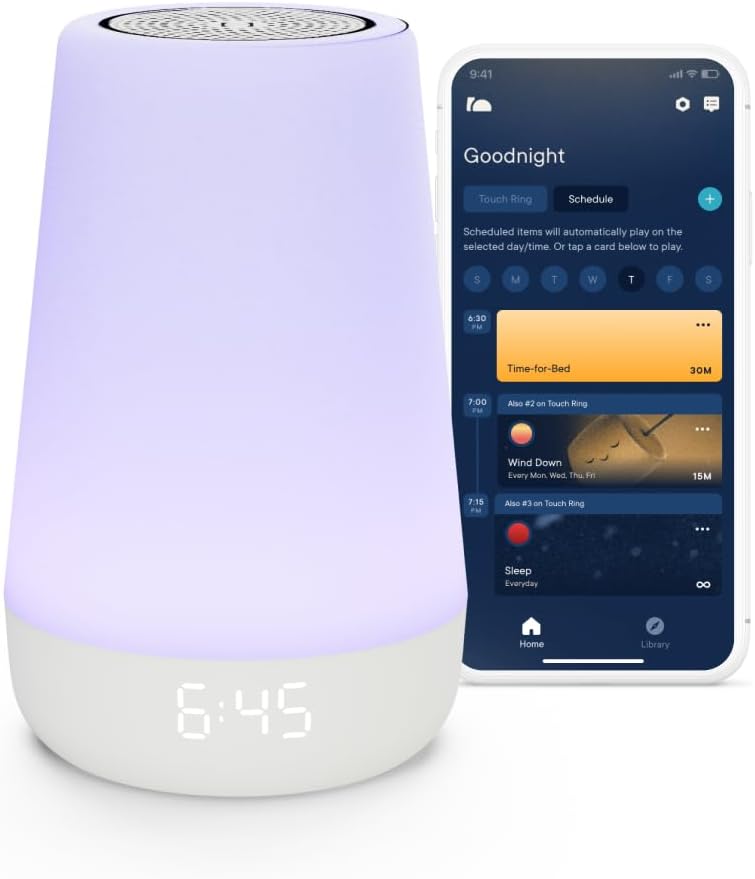
    1. Hatch Rest+ Baby Sound Machine

    Check price on Amazon →

    This one came highly recommended, and I can see why. The Hatch isn’t just white noise, it’s a whole sleep tool. It has lullabies, a nightlight with adjustable colors, and even a time-to-rise feature for when toddlers get older. I loved that I could control it from my phone, especially when I didn’t want to risk tiptoeing into the nursery.

    What I liked: It grows with your child. It’s not just a baby gadget, it can stay in your kid’s room for years.
    What some parents don’t love: The price is higher than other options.

    2. Yogasleep Hushh Portable Sound Machine

    Check price on Amazon →

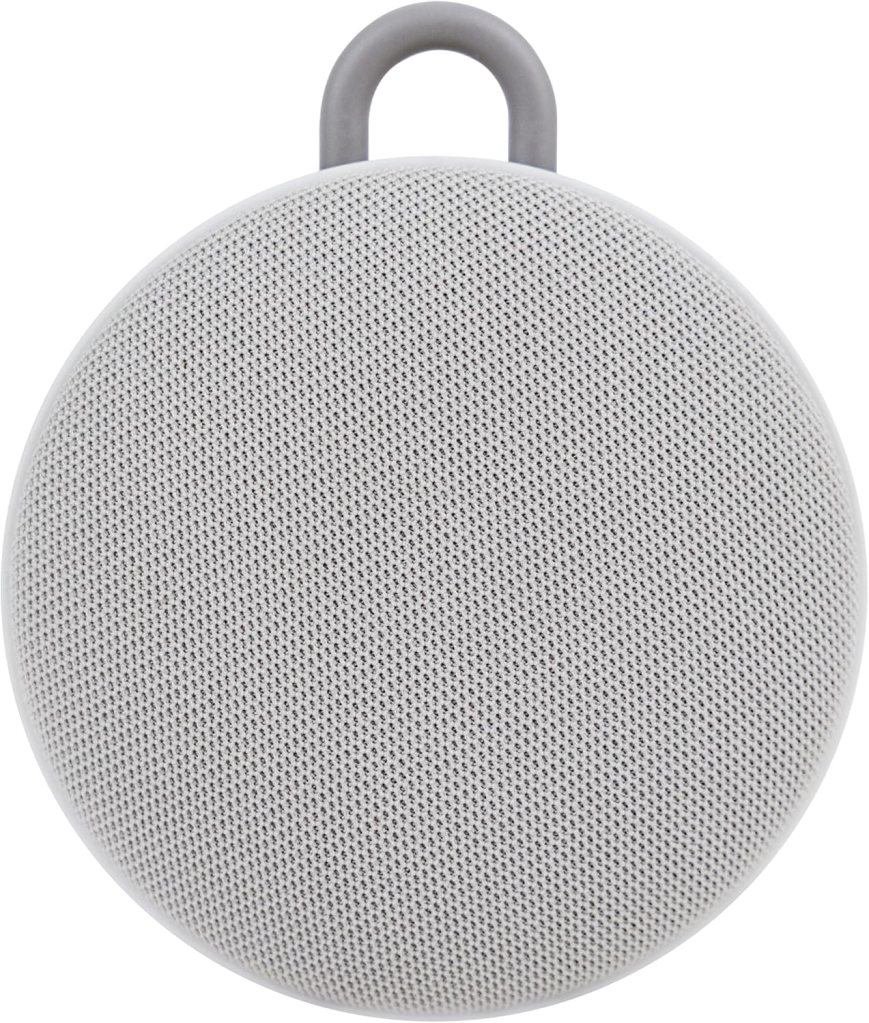
    If you’ve ever tried to keep a baby asleep in the car seat, at grandma’s house, or in a noisy hotel room, this one’s a lifesaver. The Hushh clips onto the stroller or diaper bag and is rechargeable. I used mine constantly when we traveled, it saved naps on more than one chaotic trip.

    What I liked: Super portable, no batteries to fuss with.
    What some parents don’t love: Louder settings can sound a little “harsh” to sensitive ears.

    3. Yogasleep Dohm Classic White Noise Machine

    Check price on Amazon →

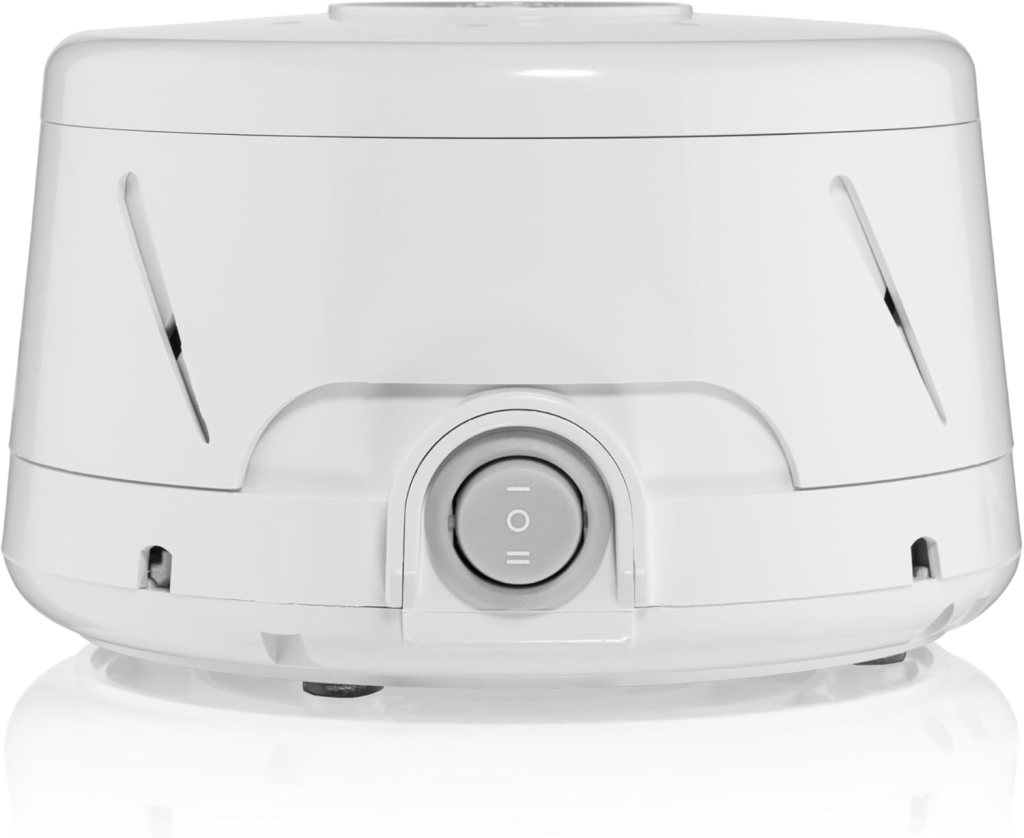
    This one has been around forever, and for good reason. Unlike digital machines, it uses an actual fan to create a natural “whooshing” sound. I know parents who’ve used it for their own sleep long before they had kids.

    What I liked: Simple, reliable, no extra bells and whistles.
    What some parents don’t love: It’s not as portable, it’s more of a “home base” machine.

    4. Skip Hop Moonlight & Melodies Nightlight Soother

    Check price on Amazon →

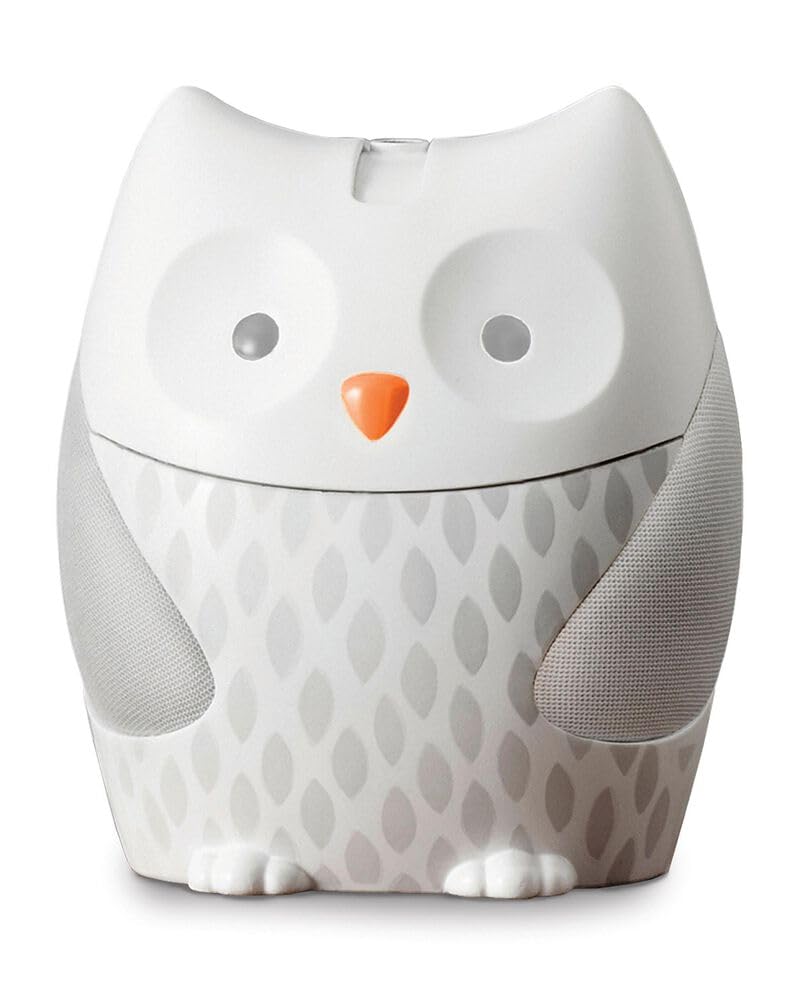
    This one doubles as a nursery decoration. It projects stars on the ceiling, has multiple soothing sounds, and a gentle nightlight. It was the one my baby loved during the newborn stage, I think the light projection helped calm him when he was fussy.

    What I liked: Combines sound + visual comfort.
    What some parents don’t love: Not as minimal, might be too much stimulation for some babies.

    Do You Need a White Noise Machine?

    Of course, not every baby needs one. Some sleep soundly without it. But if you find yourself pacing at midnight, desperate for something to help your baby (and you) get rest, a white noise machine can be the difference between two hours of broken sleep and a longer, more peaceful stretch.

    For me, it wasn’t about buying another “baby gadget”, it was about saving my sanity.

    If you’re on the fence, start with something simple like the Yogasleep Hushh. If it works, you’ll know quickly. And if you’re ready to invest in a machine that grows with your child, the Hatch is hands-down the one I’d recommend.

    Sleep won’t ever be perfect, but a little hum in the background? It might just be the helping hand you need.

  • When Gatherings Feel Exhausting: Parenting a Super Active Toddler in Social Settings

    I used to look forward to family gatherings and parties. The food, the laughter, catching up with people I hadn’t seen in a while. But now that I’m parenting a super active toddler, I’ll admit, sometimes I dread them.

    Instead of sipping coffee and chatting with relatives, I spend most of my time chasing a little whirlwind who’s climbing the stairs, touching every fragile decoration, or running full speed toward the door. I smile politely while pulling him down from the table, but inside I’m counting the minutes until it’s time to go home.

    If you’ve ever felt this way, you’re not alone.

    Why Social Events Feel So Hard With an Active Toddler

    Most people think of gatherings as fun and relaxing. But for parents of toddlers who don’t sit still, they can feel like survival missions.

    Here’s why:

    • Different environment = overstimulation. New places are full of sights, sounds, and temptations toddlers can’t resist.
    • Other adults don’t get it. Well-meaning relatives may say “Just let him play!” without realizing your child is about to topple over a glass display.
    • Zero downtime. While others mingle, you’re on toddler duty non-stop, without a break to breathe or enjoy.

    Giving Yourself Permission to Feel What You Feel

    It’s easy to beat yourself up for dreading social events. You may even think, Shouldn’t I be more excited? But here’s the truth: feeling exhausted by constant supervision doesn’t mean you don’t love your child. It means you’re human.

    Parenting in public adds layers of stress. It’s okay to admit that some seasons of life make certain things harder. And that doesn’t make you a bad parent, it makes you a real one.

    Practical Ways to Make Gatherings More Manageable

    While we can’t control toddler energy, we can set ourselves up for a smoother experience. Here are a few ideas that helped me:

    1. Pack a “Busy Bag”

    Bring a small bag filled with activities your toddler loves. Think:

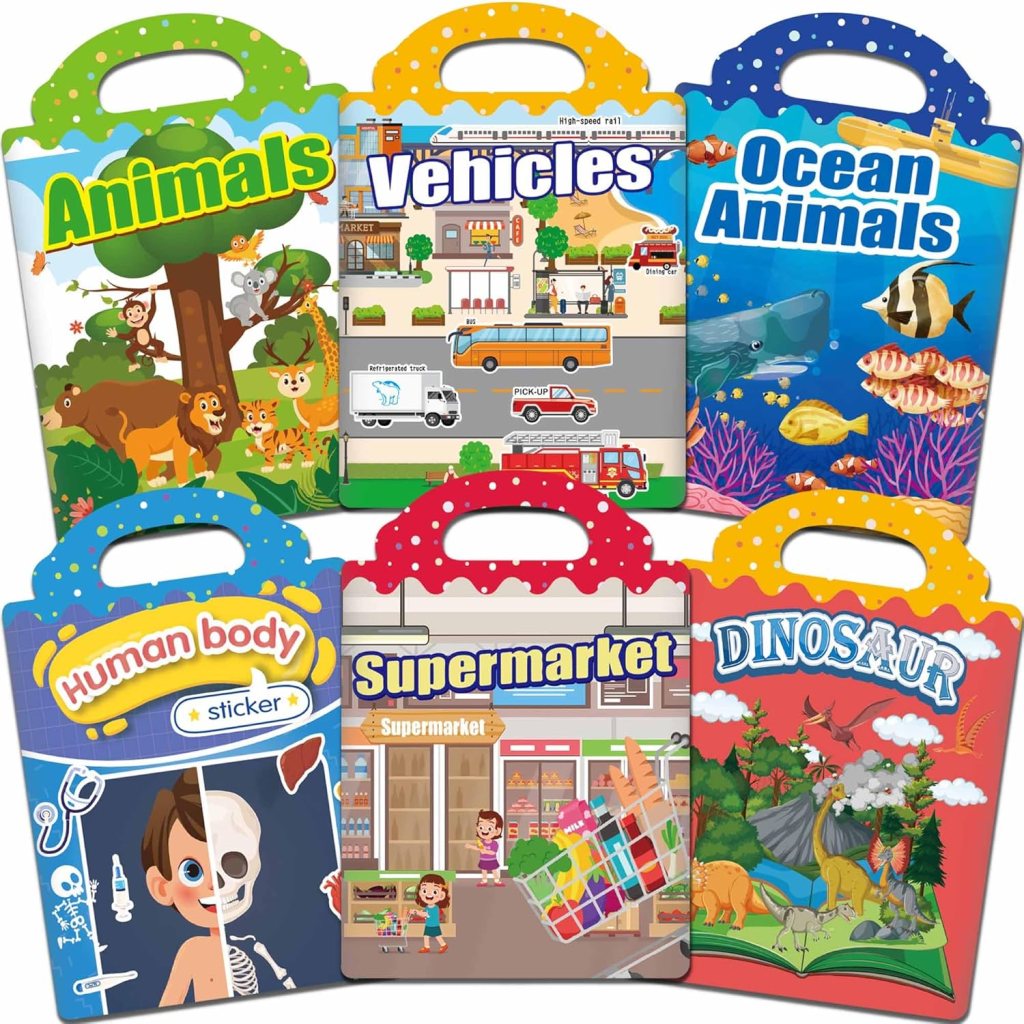
    Reusable sticker books

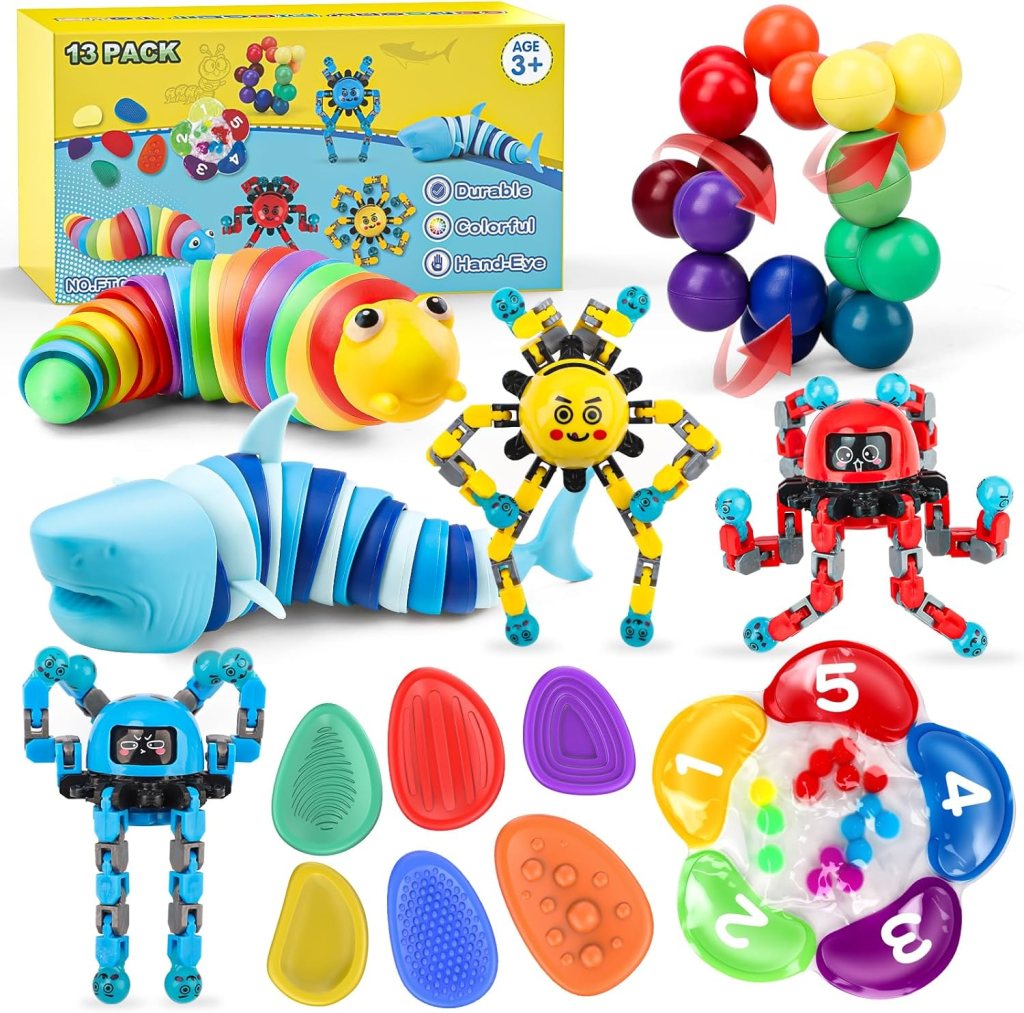
    Quiet fidget toys

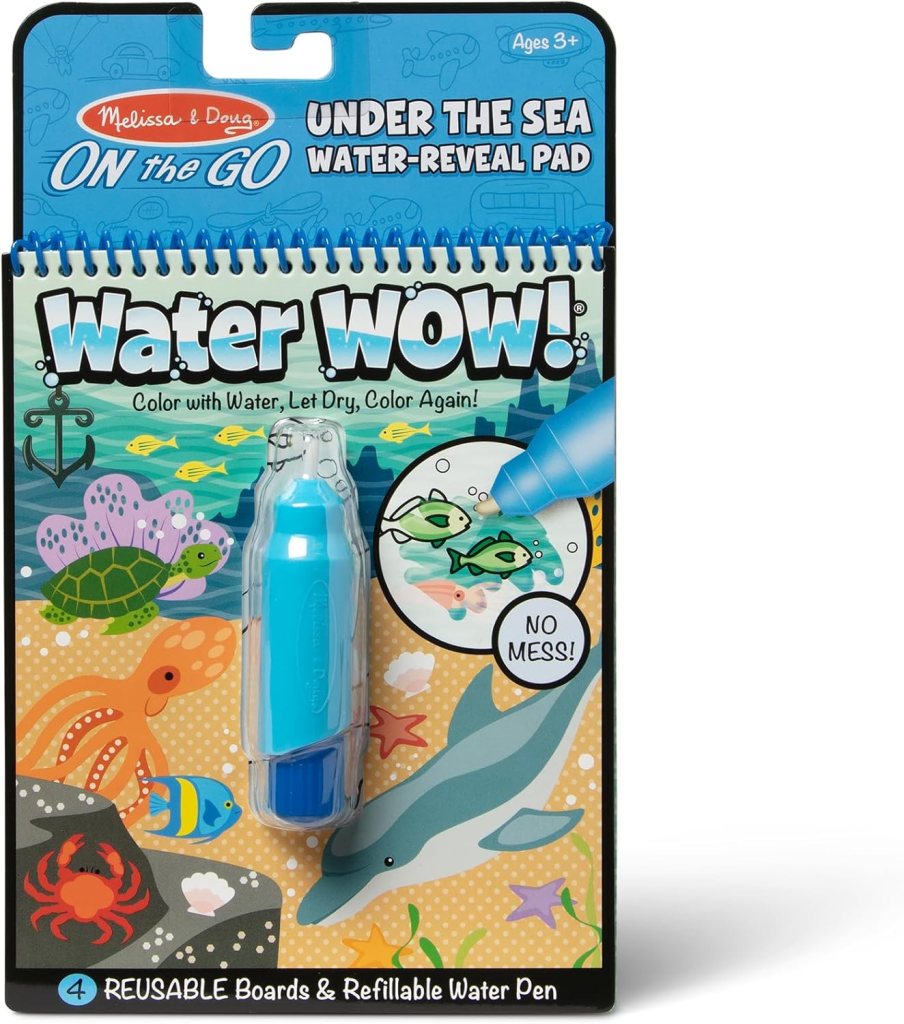
    Water Wow coloring pads

    Having distractions ready can buy you a few precious minutes to finish a conversation.

    2. Create a Safe Play Spot

    If possible, set up a corner with toys, cushions, or even a portable play yard. It signals to your toddler, This is your space to play.

    👉 A foldable playpen is a lifesaver in unfamiliar homes.

    3. Adjust Expectations

    Instead of planning to have deep, meaningful conversations, remind yourself: This is not my season for long chats. Sometimes, a few short check-ins with friends is enough.

    4. Trade Off With Your Partner (If You Have One)

    If you attend gatherings together, take shifts. One of you chats while the other supervises, then switch. It helps both of you feel less drained.

    5. Know When to Leave Early

    There’s no shame in ducking out before meltdown hour. Protecting your toddler’s (and your own) peace matters more than appearances.

    Finding Connection in Small Moments

    Some days, I still leave gatherings feeling like I barely said more than five sentences to another adult. But I remind myself: this season won’t last forever. My toddler won’t always need this level of supervision.

    In the meantime, I try to find connection in small ways, sharing a quick laugh with another parent chasing their toddler, or even texting a friend afterward instead of forcing a long chat in the middle of chaos.

    And when I look back, I don’t just see exhaustion. I also see my child’s wide eyes exploring a new world, his joy in running free, his curiosity in every little thing. That helps me soften the edges of the hard moments.

    For the Parent Who Dreads Gatherings Right Now

    If this is you, please know: you’re not antisocial, and you’re not failing. You’re simply parenting in a demanding season, one that asks more of you than most people realize.

    One day, your toddler will be the kid playing with cousins while you finally sip that coffee and have a full conversation. Until then, give yourself grace, and maybe pack an extra sticker book in your bag.

  • Discipline Without Shame: How to Guide Toddlers with Respect

    The other day, my toddler threw herself on the floor because I cut her apple the “wrong way.” If you’ve ever had one of those moments where you wonder, How do I handle this without losing it?, you’re not alone.

    Discipline is one of the hardest parts of parenting. We love our kids so deeply, yet we’re also human; tired, stretched thin, sometimes carrying our own childhood stories of discipline that weren’t always kind. It’s so easy to slip into shame-based responses without even realizing it.

    I’ve caught myself saying things like, “Why are you acting like this?” or “Stop being so dramatic,” only to see my toddler’s face crumple. And every time, my heart hurts. That wasn’t the parent I wanted to be.

    Over time, I’ve been learning that discipline doesn’t have to be about punishment or fear. It can be about guiding; calmly, firmly, and with respect. And the more I’ve leaned into that, the more connection I’ve seen with my child, even in the middle of the meltdowns.

    Here’s what’s been helping me (and maybe it’ll help you, too):

    1. Start with empathy, not lectures

    When my toddler screams because the cup is the wrong color, my instinct is to say, “That’s silly, it doesn’t matter.” But to her, it does matter. It feels huge. So instead, I’ve started saying things like, “You really wanted the blue cup. That’s so frustrating.”

    Sometimes she still cries, but I can see her body soften, because she feels seen. And often, the tantrum doesn’t last as long when I begin with empathy.

    2. Hold the boundary anyway

    Respect doesn’t mean saying yes to everything. It means holding the limit without shaming. For example:

    • “I hear you don’t want to put on your pajamas. It’s bedtime, and pajamas come first. Do you want to hop like a frog or race me to get them on?”

    She still resists sometimes, but giving a choice inside a boundary has been a game-changer. It shows her I mean what I say, but she still gets some control.

    3. Drop the shame, keep the teaching

    Growing up, discipline for me often came with phrases like, “You’re being bad” or “You should know better.” That shame sticks. I don’t want that for my child.

    So I try to separate the behavior from the person:

    • Instead of: “You’re so messy!”
    • I’ll say: “The blocks need to stay on the floor so we don’t trip. Let’s put them back together.”

    It takes more words, but it builds her identity around being capable and loved, not “bad.”

    4. Model what calm looks like

    This one is the hardest for me. Sometimes I want to yell. Sometimes I do yell. But I’ve been learning to take a pause, even if it means saying, “Mommy needs a breath right now.”

    It’s not perfect, but it’s honest. And my toddler sees that calming down is a skill, not just something I expect of her.

    Why This Matters

    Toddlers are wired to push boundaries, it’s how they learn. But the way we respond can shape how they see themselves and how safe they feel with us. When discipline comes with shame, kids often learn to hide, lie, or shut down. When it comes with respect, they learn that mistakes are part of learning and that love doesn’t disappear when they mess up.

    I’m still in the thick of it, figuring it out as I go. But every time I choose respect over shame, I see glimpses of the relationship I want long-term: one built on trust, safety, and connection.

    And honestly, that makes the hard moments worth it.

  • The Loneliness of Parenthood: Finding Connection in the Hard Seasons

    Parenthood is often painted as the most joyful, fulfilling chapter of life, and in many ways, it is. But what people don’t always talk about is the quiet ache that comes with it: the loneliness.

    Even when your home is filled with the sound of little feet, endless questions, and toys scattered everywhere, there can be an emptiness inside you that feels hard to name.

    Why Parenthood Can Feel Lonely

    • Shifts in friendships. Friends without kids may not understand your new rhythms, while friends with kids are often just as busy as you are.
    • Constant giving. You pour yourself out all day, wiping tears, making meals, reading stories; but rarely feel like anyone is pouring back into you.
    • Loss of identity. Parenthood can be all-consuming, and it’s easy to feel like “you” are slipping away under the title of “mom” or “dad.”
    • Little adult conversation. After hours of toddler chatter or teen eye-rolls, you might realize you haven’t had a meaningful adult conversation in days.

    And yet, you’re not the only one who feels this way. Many parents silently carry the same loneliness, believing it means they’re somehow failing. It doesn’t. It just means you’re human.

    Small Ways to Feel Less Alone

    1. Find “your people.” Even one friend who “gets it” can make a world of difference. Don’t underestimate the power of sending a text that says, “Today is hard. Do you have a minute?”
    2. Join communities. Whether it’s a parenting group online, a local playgroup, or even a book club, having a space where you can be you again matters.
    3. Carve out time for connection with your partner. Even 10 minutes after bedtime to share about your day can refill some of that emptiness.
    4. Let yourself be vulnerable. The truth is, most parents are also waiting for someone else to speak up first. Sharing “I’m struggling” might open the door for someone else to say, “Me too.”

    Helpful Books for Parents Who Feel Lonely

    Sometimes, words on a page can feel like a hand reaching out in the dark. These books are often recommended by parents who’ve walked through the same seasons:

    (These are affiliate links, which means I may earn a small commission at no extra cost to you. Thank you for supporting Parenting Kindly!)

    You’re Not Alone Here, Either

    Parenthood is heavy, but it was never meant to be carried in isolation. The more we talk about the hard parts, the lighter they feel.

    That’s why I created Parenting Kindly — to give parents a place to feel seen, understood, and supported. 💛

    👉 Subscribe to our newsletter or follow us on Facebook to join the Parenting Kindly community and get weekly encouragement, practical tips, and honest stories from parents who are walking the same road.

    You don’t have to do this alone, and you aren’t.

  • Gifts for Two-Year-Olds That Don’t Get Boring After a Week

    Two-year-olds are curious, busy, and constantly learning, which means some toys hold their attention for a few minutes… and then get forgotten. If you’ve ever bought something that was “all the rage” only to find it at the bottom of the toy bin two days later, you’re not alone.

    The good news? Some toys do stand the test of time, offering open-ended play, multiple ways to use them, and just enough challenge to keep your toddler coming back for more.

    Here’s a roundup of gift ideas for two-year-olds that are actually worth the money — because they won’t be collecting dust by next week.

    1. Wooden Building Blocks

    Blocks are timeless for a reason. They encourage creativity, fine motor skills, and problem-solving, and toddlers find endless ways to stack, knock down, and rebuild.

    Amazon pick: Melissa & Doug Wooden Building Blocks Set — durable, colorful, and big enough for little hands to grip easily.

    2. Ride-On Toys

    A sturdy ride-on toy gives toddlers a fun way to burn off energy indoors or outdoors. Look for one that lets them use their feet to push so they build leg strength and coordination.

    Amazon pick: Little Tikes Fairy Cozy Coupe — quiet wheels, seatbelt for safety, and a working horn toddlers love.

    3. Play Kitchens

    Pretend play explodes around age two, and a play kitchen can keep them entertained for hours. Cooking alongside you (even if it’s just pretend) builds imagination and language skills.

    Amazon pick: KidKraft Vintage Wooden Play Kitchen — classic design, plenty of storage, and sturdy wood construction.

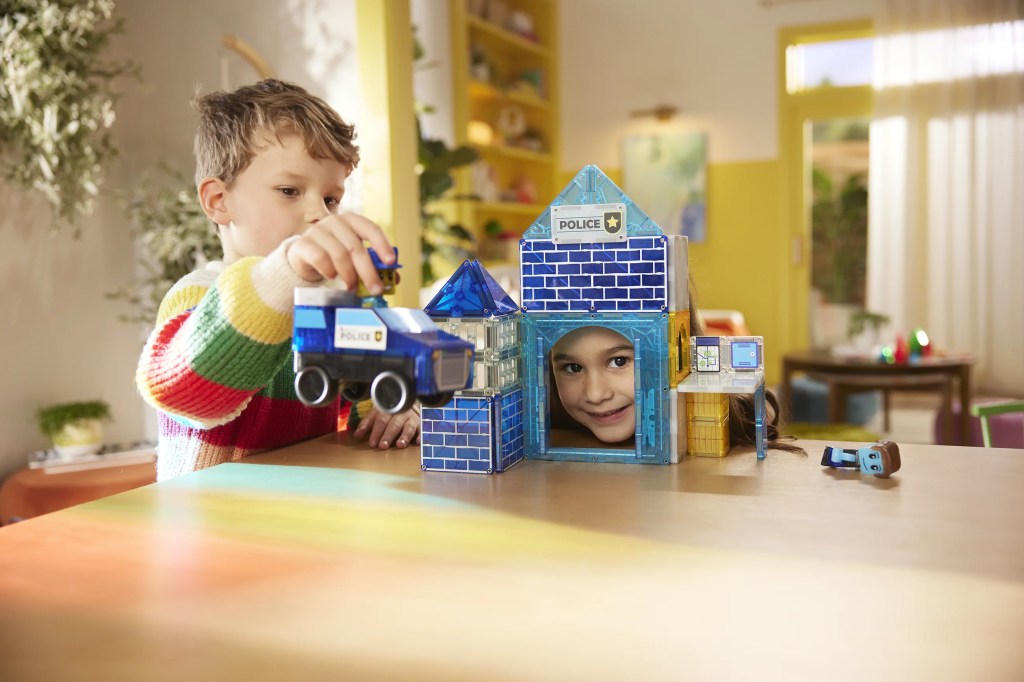
    4. Magnetic Tiles

    Magnetic tiles are one of those toys that grow with your child, they can start with simple towers and eventually build elaborate creations.

    Amazon pick: MAGNA-TILES 100-Piece Set — bright colors, safe magnets, and endless building possibilities.

    5. Water Tables

    If you have outdoor space, a water table is pure magic for a toddler. They can pour, scoop, splash, and explore without you having to fill up an entire pool.

    Amazon pick: Step2 Rain Showers Splash Pond Water Table — interactive features and multiple play stations.

    6. Simple Musical Instruments

    Music is a fantastic way to support sensory development, rhythm, and coordination. A small set of toddler-safe instruments can become a daily favorite.

    Amazon pick: Miniartis Toddler Musical Instruments — includes drum, cymbal, guiro, and more in a compact wooden set.

    7. Puzzles

    Two-year-olds are ready for chunky puzzles with knobs or simple interlocking pieces. They help with problem-solving and hand-eye coordination, and toddlers often repeat them over and over.

    Amazon pick: Melissa & Doug Wooden Chunky Puzzles — durable, colorful, and easy to grip.

    8. Toddler Trampolines

    A small indoor trampoline is a lifesaver for active toddlers, especially on rainy days. It’s a safe way for them to burn off energy and strengthen muscles.

    Amazon pick: Little Tikes 3’ Trampoline — sturdy, with a handlebar for stability.

    9. Art Easels

    Art easels allow toddlers to draw, paint, and explore creativity, without taking over your dining table.

    Amazon pick: Melissa & Doug Wooden Art Easel — double-sided with chalkboard, dry-erase, and paper roll.

    10. Push & Pull Toys

    These toys are perfect for toddlers on the move. They help develop gross motor skills and can spark pretend play.

    Amazon pick: BRIO Pull Along Duck — a charming, classic toy that waddles as it moves.

    The Secret to Longevity: Open-Ended Play

    The best gifts for two-year-olds aren’t flashy, they’re the ones that encourage open-ended play. Think about toys that can be used in multiple ways, grow with your child, and fit into different play scenarios. That way, your gift won’t just be a one-week wonder, it’ll be a daily go-to.

  • Montessori at Home: A Simple Guide for Parents Who Want to Start

    You’ve probably heard other parents talk about “Montessori”. Maybe you’ve even seen beautiful photos of calm, organized play spaces on Instagram. But what exactly is Montessori, and how can you bring it into your home without turning your living room into a classroom?

    The truth is, Montessori is more than a style of education, it’s a way of looking at your child and the way they learn. And you don’t need to buy everything at once or spend thousands to make it work for your family.

    What Is Montessori?

    The Montessori method was developed by Dr. Maria Montessori over 100 years ago. It’s based on the idea that children learn best when they explore at their own pace, using hands-on materials in a prepared environment.

    It’s about:

    • Respecting your child as an individual.
    • Encouraging independence.
    • Providing materials that match their stage of development.
    • Letting them learn by doing, not just by watching.

    How to Start Montessori at Home

    If the idea sounds overwhelming, take a breath, starting small is the best way to go.

    1. Declutter the play space
      Too many toys can be distracting. Keep only a few out at a time, and store the rest away. Rotate weekly or monthly to keep interest high.
    2. Create a child-friendly environment
      Place toys, books, and everyday items on low shelves so your child can access them without asking for help.
    3. Choose purposeful toys and tools
      Montessori materials are designed to build specific skills, like fine motor, coordination, and problem-solving.
    4. Follow your child’s lead
      Notice what interests them and offer activities that match that curiosity.

    Montessori-Inspired Products to Try

    1. Wooden Shape and Color Sorter – Great for hand-eye coordination and early math skills.
    2. Montessori Busy Board – Keeps little hands engaged with zippers, buttons, and latches.
    3. Low Wooden Bookshelf – Encourages independence in choosing books.
    4. Practical Life Tool Set for Kids – Child-sized broom, dustpan, and mop for real-life skills.
    5. Pikler Triangle Climbing Set – Builds gross motor skills and confidence.

    Want a simple, step-by-step way to begin Montessori at home? My “Montessori Starter Checklist” has all the essentials in one printable PDF — from learning tools to storage tips. It’s the easiest way to start without feeling overwhelmed.

    Download the Free Montessori Starter Checklist Here!

    Remember — Montessori Is a Mindset

    Montessori is less about “the stuff” and more about how you interact with your child. Slow down. Let them try. Show them how, then step back and watch them succeed.

    Even adding one or two Montessori-inspired ideas into your daily routine can make a big difference in your child’s confidence and love for learning.

  • Car Ride Sanity Savers: Toddler Road Trip Must-Haves

    Long car rides with toddlers can feel a bit like preparing for a tiny, unpredictable roommate who has zero patience and endless curiosity. The good news? With the right gear, those “Are we there yet?” moments can turn into peaceful stretches of giggles, naps, and maybe even a few sips of hot coffee for you.

    Whether you’re headed to Grandma’s house or driving cross-country, here are the toddler road trip must-haves that will save your sanity and make the journey smoother for everyone.

    1. A Comfortable, Safe Car Seat

    A quality car seat is non-negotiable for comfort and safety. Look for one with plenty of padding, adjustable head support, and a cup holder for snacks and drinks.

    Amazon Pick: Graco Extend2Fit Convertible Car Seat – Highly rated for comfort and safety, with an extended rear-facing option for extra peace of mind.

    2. Snack Containers That Actually Work

    Loose goldfish crackers in the backseat? Not fun. Get a spill-proof snack cup so your toddler can feed themselves without creating a crumb disaster.

    Amazon Pick: Munchkin Snack Catcher – Easy for little hands, tough on spills.

    3. Mess-Free Activity Books

    Crayons rolling under the seats? Nope. Choose water-based coloring books so your toddler can color again and again—no mess, no stains.

    Amazon Pick: Melissa & Doug Water Wow! Reusable Coloring Books – A parent favorite for keeping kids quietly entertained.

    4. Toddler-Friendly Headphones

    If you’re using a tablet for shows or audiobooks, volume-limiting headphones protect little ears while giving you a peaceful front seat.

    Amazon Pick: Snuggly Rascals Kids Headband Headphones – Soft, comfortable, and safe for toddlers.

    5. A Backseat Organizer

    Instead of turning around every five minutes to pass things back, keep toys, books, snacks, and wipes within easy reach.

    Amazon Pick: Lusso Gear Car Backseat Organizer – Multiple compartments for all the toddler essentials.

    6. A Travel Potty

    If your toddler is potty training, roadside bathrooms can be… questionable. A portable potty saves the day (and the upholstery).

    Amazon Pick: OXO Tot 2-in-1 Go Potty – Compact, foldable, and easy to clean.

    7. Cozy Travel Blanket

    A familiar, soft blanket helps toddlers feel secure and encourages naps. Bonus points if it doubles as a pillow.

    Amazon Pick: Burt’s Bees Baby Reversible Blanket – Gentle, breathable, and perfect for the car.

    8. A Toddler Travel Tray

    This is a game changer for snacks, coloring, and playing with small toys without everything falling to the floor.

    Amazon Pick: Kenley Kids Travel Tray – Sturdy surface with side walls to keep things in place.

    9. Insulated Sippy Cup

    No one likes warm milk in the middle of a road trip. An insulated cup keeps drinks fresh for hours.

    Amazon Pick: Thermos Foogo Insulated Straw Bottle – Durable and keeps drinks cold.

    10. White Noise Machine

    If your toddler struggles to nap in the car, a portable white noise machine can help block out distracting road sounds.

    Amazon Pick: Homedics White Noise Sound Machine – Compact and travel-friendly.

    Road Trip Reality Check

    Even with all the right gear, road trips with toddlers can still have their moments. The trick is to plan for boredom, hunger, and accidents before they happen, and to give yourself grace when things don’t go perfectly.

    So pack the snacks, load the playlist, and remember: every trip is a little easier than the last.

  • When Is the Best Time to Travel With a Toddler? Here’s What I Learned (and What the Experts Say)

    I used to think traveling with a toddler sounded like a recipe for stress:
    Airport lines, unpredictable naps, loud tantrums in cramped airplane seats…

    But then we did it.

    And not only did she survive the plane ride, she actually enjoyed the whole trip.
    I did, too.

    If you’re wondering when the “right time” is to travel with your toddler, or whether it’s even worth it, here’s what I’ve learned from experience and what the science says about toddler development and travel.

    Is There a Best Age to Travel With a Toddler?

    Short answer? There’s no perfect time.
    But there are stages that tend to be more manageable.

    ✅ Ages 6–18 Months:

    • Pros: Naps often, still portable, less opinionated
    • Cons: Crawling/climbing stage, separation anxiety may peak

    ✅ Ages 18–30 Months:

    • Pros: More verbal, excited by new experiences
    • Cons: Big emotions, less flexible with routine changes

    ✅ Age 3 and up:

    • Pros: Can follow simple instructions, understands travel better
    • Cons: May resist change, easily overstimulated

    Bottom line:
    It’s not about finding the perfect age, it’s about adjusting your expectations based on your child’s stage.

    Our Personal Experience: Bracing for Meltdowns… and Getting Magic Instead

    Before our first flight, I packed every distraction I could think of:
    Snacks. Crayons. Toys. Books. A comfort blanket.
    I also packed a little dread, if I’m honest.

    But something amazing happened.
    She stared out the window during takeoff, whispered “clouds,” and didn’t cry once.

    She played, snacked, cuddled, and even napped.
    Not every moment was easy, but most of them were good.

    And it reminded me: kids are often more adaptable than we give them credit for.

    What Helps Toddlers Handle Travel Better

    1. Predictability in a New Environment

    Toddlers thrive on routines. You can support this by:

    • Keeping mealtimes and bedtimes familiar (even with new scenery)
    • Bringing a few “home” items: their blanket, a favorite book, bedtime music

    2. Movement Breaks

    Toddlers need to move. At the airport, walk laps. On a plane, stretch and wiggle. On road trips, stop often.

    3. Downtime Matters

    As exciting as sightseeing is, build in quiet time. Toddlers get overstimulated quickly in new places.

    What to Pack for Sanity

    Here’s what made a big difference for us:

    • New Small Toys – sticker books, fidget toys, mini puzzles
    • 🍎 Snacks They Love – familiar snacks = comfort
    • 🎧 Toddler Headphones + Stories – for calming down
    • 🧸 Comfort Item – plush toy, blanket, or sleep cue
    • 📚 Interactive Books – flaps, textures, or sound-free

    Final Thought: It’s Not About the Perfect Trip, It’s About the Shared Story

    Traveling with kids won’t look like it did before you had them.
    There will be messes, missed naps, maybe a meltdown or two.

    But there will also be wonder. Giggles in new places.
    Tiny hands gripping yours through airport gates.
    A memory they might not remember, but you always will.

    So if you’re asking, “Should we do it?”

    If you feel up for it?
    Yes. Do it.
    There’s no perfect time, only time well spent.

    Travel Picks That Actually Helped (Affiliate Suggestions)