• Toddler Discipline That Works Without Time-Outs (Backed by Brain Science)

    Time-out used to be the go-to strategy.
    “Put them in the corner.”
    “Let them think about what they did.”
    “Make them calm down alone.”

    But what if I told you… toddlers can’t actually do that?

    Not because they’re stubborn.
    Not because they’re trying to test you.
    But because their brains just aren’t built that way—yet.

    Discipline doesn’t have to mean isolation. And connection doesn’t mean giving in.

    Let’s look at what actually works, based on brain science, not just tradition.

    Why Time-Outs Don’t Work the Way We Think

    Here’s what brain development experts agree on:

    • Toddlers’ prefrontal cortex (the part responsible for reasoning and self-control) is still under construction.
    • During a meltdown, they’re not misbehaving, they’re dysregulated.
    • Being sent away in distress can trigger more fear, shame, or power struggles, not learning.

    So what happens in a time-out?

    Instead of calming down, a toddler left alone in time-out is likely:

    • Crying louder
    • Getting more dysregulated
    • Feeling confused or abandoned

    They’re not thinking, “I shouldn’t have hit my brother.”
    They’re thinking, “Where did my safe person go?”

    That’s not discipline. That’s disconnection.

    What Toddlers Actually Need During Discipline

    Discipline comes from the Latin word disciplina, to teach.

    And toddlers learn best through:

    • Repetition
    • Modeling
    • Connection
    • Co-regulation (when a calm adult helps them calm down)

    They don’t need punishment to learn.
    They need your presence. Your boundary. Your calm.

    Brain-Based Alternatives to Time-Outs

    Here are gentle, research-backed ways to guide your toddler through challenging behavior without using time-out:

    1. Time-In Instead of Time-Out

    Sit with them in a quiet space. Let the storm pass with you there.

    Say:
    🗣 “You’re having a hard time. I’m right here until you’re ready.”

    Why it works: Co-regulation builds emotional safety and teaches how to calm down, something they literally can’t do alone at this age.

    2. Name the Feeling + Set the Limit

    You can acknowledge the emotion and hold the boundary.

    Say:
    🗣 “You’re angry. It’s okay to feel angry. It’s not okay to hit.”

    Why it works: This helps them build emotional vocabulary while learning what is and isn’t okay.

    3. Offer a Calm Corner

    Create a soft space with a few pillows, books, or sensory tools. Invite—not force—them to go there with you.

    Say:
    🗣 “Let’s go to the calm corner together and take some deep breaths.”

    Why it works: It gives them ownership in calming down without shame or isolation.

    4. Redirection with Respect

    Young kids often misbehave when they’re bored, overstimulated, or overtired. Redirection is often all they need.

    Say:
    🗣 “Let’s go stack blocks instead of throwing toys.”

    Why it works: It meets their need for movement or control in a safer way.

    5. Follow Up With a Repair

    After the storm, come back to the behavior, not in anger, but in love.

    Say:
    🗣 “You were upset and pushed your friend. What can we do next time instead?”

    Why it works: This builds problem-solving skills and accountability without shame.

    But What If They Still Keep Doing It?

    That’s okay. They’re learning.

    Toddlers repeat behavior because:

    • Their impulse control is underdeveloped
    • They’re testing consistency and safety
    • They want to know you’ll still be there when they mess up

    So stay consistent. Stay kind. Stay steady.

    And remember: discipline isn’t a moment, it’s a long game.

    Gentle Tools That Support Brain-Based Discipline (Affiliate Suggestions)

    Want Scripts for Saying “No” Without Shame?

    Grab the free “Gentle No” Phrase Guide, filled with respectful scripts you can use today.

    Download the Gentle “No” Phrase Guide

  • Am I Giving Too Much? A Science-Backed Look at Toys, Learning, and Love

    Sometimes I pause mid-cleanup and ask myself:
    Are we overdoing it?

    There are plush toys, wooden puzzles, pretend food sets, sensory bins, books, crayons, dolls… more than I ever had growing up.

    And that’s part of it.

    I didn’t have a lot of toys. Or books. Or chances to just play freely and learn through fun. So now, I find myself giving my toddler what I wish I had — tools to explore, imagine, and feel joy.

    But I’ve also worried:
    Does this make her spoiled? Am I giving too much?

    So I looked into the science, and here’s what I found.

    What Research Says About Toys and Child Development

    Toys themselves aren’t the problem. How we use them matters far more than how many we have.

    ✅ The Good:

    • Open-ended toys like blocks, dolls, and play kitchens promote creativity, social-emotional learning, and problem-solving (Ginsburg, 2007).
    • Pretend play builds self-regulation, language, and empathy (Berk et al., 2006).
    • Hands-on play (vs. passive toys like battery-operated buttons) supports real cognitive growth (Zosh et al., 2015).

    🚫 The Not-So-Good:

    • Too many toys at once can actually lead to distraction, decreased focus, and less meaningful play (Dauch et al., 2018).
    • Toys that do too much (think flashing, talking, or one-button toys) reduce a child’s need to think creatively or engage deeply.

    So no, having toys isn’t spoiling your child.
    But flooding them with toys without structure or intention can dilute their value.

    What Actually Matters More Than “How Many”

    1. The Type of Toys

    Opt for:

    • Toys that do less so kids can do more (e.g., blocks > talking tablets)
    • Items that can be used in different ways
    • Toys that invite pretend play, sensory input, or problem-solving

    2. How the Toys Are Used

    A $5 toy used daily in creative ways matters more than a $50 toy that lights up but gets ignored.

    It’s about engagement, not just ownership.

    3. The Environment

    A cluttered toy area can overwhelm toddlers. Fewer, visible choices support focus, calm, and longer attention spans.

    So, Is It Bad to Give Lots of Toys?

    No. It’s not “bad.” But here’s how to make sure your child benefits from what they have:

    ✔️ DO:

    • Curate and rotate toys (keep out only a few at a time)
    • Choose toys that grow with your child’s stage
    • Engage in play with them, connection matters more than the toy
    • Teach gratitude: “We’re lucky to have this. Let’s take care of it.”

    ✖️ DON’T:

    • Use toys to avoid connection (“Here, play with this so I don’t have to deal with your feelings”)
    • Feel pressured to buy every new thing, kids often benefit more from repetition
    • Let guilt or your past drive over-giving without boundaries

    How I Handle It at Home (What’s Worked for Us)

    Here’s how I’ve found balance, without feeling like I’m spoiling:

    • Toy Rotation: I keep out 5–8 toys at a time, stored accessibly in baskets or shelves. The rest are tucked away and swapped every week or two.
    • Intentional Gifting: Before adding a new toy, I ask: Will she really use this? Does it offer open-ended play?
    • Conversation About Care: We talk about putting toys away, treating them gently, and donating what we’ve outgrown.

    And I remind myself: giving with love and intention is not spoiling.
    It’s parenting with purpose.

    The Bottom Line: What You’re Really Giving

    If you’re offering toys that support play, learning, and joy, and pairing that with connection, structure, and emotional safety, you are not spoiling your child.

    You’re helping her grow.
    You’re breaking cycles.
    You’re healing something in yourself and building something better for her.

    And that’s powerful.

    Developmental Toy Picks We Love (Affiliate Suggestions)

  • You Can Be Kind Without Spoiling: How to Raise Loved, Not Entitled Kids

    You want your child to feel safe.
    To feel seen.
    To know, deep in their core, that they’re loved.

    But somewhere between the extra bedtime stories and the snacks just the way they like them, someone might tell you:

    “You’re spoiling them.”
    “They’ll never learn.”
    “You’re being too soft.”

    And that’s where the fear creeps in, are you loving them too much? Are you raising a child who will grow up entitled?

    Let’s be clear: you can be a kind parent without raising a spoiled child.
    Spoiling isn’t about love. It’s about what we do instead of boundaries, gratitude, and connection. And kindness? Kindness is part of the solution, not the problem.

    What Spoiling Actually Looks Like

    Spoiling a child doesn’t mean giving them love, or comfort, or even the last cookie sometimes.

    It looks more like:

    • Giving in to every demand just to avoid a meltdown
    • Always rescuing them from natural consequences
    • Never hearing “thank you” because it’s never been taught
    • Using stuff, treats, toys, screen time, to fix every big feeling

    Spoiling is overindulging without guidance. It’s not the presence of kindness, it’s the absence of limits.

    Why Saying “No” Can Still Be Gentle

    You can set a boundary and still be loving.

    You can say:

    • “I won’t let you hit me”
    • “We’re not buying a toy today”
    • “I hear you’re upset. I’m here, but the answer is still no.”

    You’re not crushing their spirit—you’re shaping it with safety and consistency.

    When we avoid all discomfort, we don’t protect our kids, we accidentally teach them that the world will bend to them. And that’s a painful lesson to unlearn later.

    Kindness That Grows Gratitude

    Gratitude doesn’t happen automatically. It’s something we model and nurture.

    Try this:

    • Narrate your appreciation: “Thank you for helping me clean up. That made things easier.”
    • Invite reflection: “How do you think Rain felt when you shared that toy?”
    • Point out effort, not just results: “I saw how you tried to carry your plate all by yourself.”

    Kids don’t grow entitled when they’re given love. They grow entitled when love is replaced with indulgence, without the grounding of empathy, effort, or shared responsibility.

    What Science Says About Spoiling

    Research tells us that:

    • Kids with secure, responsive caregivers tend to be less demanding, not more
    • Children learn emotional regulation by co-regulating with adults, not by being left to “figure it out” alone
    • Empathy, patience, and self-control are taught through connection and consistency

    So when someone tells you, “You’re spoiling them,” what they might really mean is, “You’re parenting differently than I did.” And that’s okay.

    Real-Life Ways to Raise Loved, Not Entitled Kids

    Here’s what that might look like in daily life:

    • Say yes to connection, but no to disrespect.
      “I’ll sit with you while you’re upset, but I won’t let you throw things.”
    • Let them feel big feelings, without fixing them with stuff.
      “You’re sad. I’m here.” Instead of, “Here, take a cookie.”
    • Encourage effort, not outcome.
      “You worked hard on that!” instead of “You’re so smart!”
    • Give choices within boundaries.
      “Would you like the red cup or blue cup?” Not, “Fine, have five cookies.”
    • Let them earn new privileges.
      Teaching responsibility and gratitude through participation builds pride, not entitlement.

    Gentle Picks to Support Boundaries and Connection (Affiliate Suggestions)

    The Bottom Line

    Your kindness isn’t the problem.
    Your connection isn’t a weakness.
    And your child feeling safe in your love? That’s not spoiling, it’s securing.

    Be the soft place they can land.
    Be the guide who holds the boundary with warmth.
    Be the parent who raises a child who’s not only loved, but knows how to love others, too.

    Want Scripts for Saying “No” Without Shame?

    Grab the free “Gentle No” Phrase Guide, filled with respectful scripts you can use today.

    Download the Gentle “No” Phrase Guide
  • I Was Scared to Travel With My Toddler, But She Surprised Me (And These Toys Helped)

    I was nervous. Like, stomach-in-knots, overpacked-the-snacks nervous.

    The idea of being stuck in a flying tube with a restless toddler and a hundred strangers felt like asking for a meltdown, hers and mine. I imagined the glares, the tantrums, the desperate pacing up and down the aisle. I pre-apologized in my head to every passenger within a three-row radius.

    But here’s what actually happened:

    She smiled at the flight attendants. She looked out the window with wonder. She snacked, she played, she giggled. No tantrums. Not even on landing. She surprised me in the best way possible, and reminded me that sometimes, our fears are louder than reality.

    So if you’re a parent dreading your first flight with a toddler, I see you. And I want to offer a bit of encouragement, and some practical tips that made all the difference on our trip.

    ✨ What Helped Us Most (Besides Snacks)

    Honestly? I think expecting it to be hard made me more prepared and more present. But these things made a huge difference:

    1. A calm start to the day

    We kept things slow the morning of the flight. No rushing = less overwhelm for both of us.

    2. Flexible expectations

    I reminded myself that crying is okay, movement is okay, and kids are allowed to be human, even at 30,000 feet.

    3. A well-packed carry-on

    I brought toys she could explore quietly and independently (plus extras just in case).

    🧸 Best Toys and Activities That Actually Helped

    Here’s what we brought—and what she actually used (linked with affiliate suggestions):

    👉 Tip: Wrap one or two toys as “plane surprises.” It adds excitement and buys you a few extra calm minutes!

    🧳 What I’d Pack Again

    In addition to the toys, these were game-changers:

    • Extra clothes (for both of us)
    • Wet wipes and sanitizing spray
    • A lightweight toddler blanket
    • Wireless toddler headphones for white noise or soft music
    • A soft snack pouch with fruit, puffs, and crackers

    💛 The Real Win: Trusting My Toddler

    Was it perfect? No. But it was good. And more than that, it was joyful.

    We laughed. We connected. She was curious and brave in a new space. And I realized I don’t give her enough credit for how adaptable and wonderful she can be.

    So if you’re about to travel with your toddler and feel that pit of fear in your stomach… I get it. But you might just be surprised too.

  • You’re Not the Mom They Think You Should Be, And That’s Okay

    You’re too soft.
    You’re too strict.
    You let them climb too high.
    You don’t give them enough freedom.
    You work too much.
    You’re always at home.

    No matter what kind of mom you are, someone out there thinks you’re doing it wrong. And sometimes… that someone is your own inner critic.

    But here’s what most people forget: there is no one-size-fits-all mom. Your child doesn’t need “perfect.” They need you—the real you, the one who shows up every day in the best way you can.

    Let’s talk about how to let go of the pressure to be the kind of mom they think you should be, and start trusting the kind you already are.

    1. They Don’t See the Whole Picture, But You Do

    The internet sees a snapshot.
    Your in-laws see five minutes of your weekend.
    The mom in the grocery line sees your toddler melting down—but not the 10 calm minutes before that.

    You are the only one who knows the full story. And you’re allowed to make decisions they don’t understand.

    So when someone says, “I would never let my child do that,” remember: They’ve never had to.

    2. It’s Okay to Break Generational Patterns, Even If They Don’t Get It

    When you set boundaries, say no to spanking, or let your child cry in your arms instead of sending them away… you might hear:

    “We turned out fine.”
    “You’re too sensitive.”
    “You’re spoiling them.”

    But what you’re actually doing is healing cycles they never got the chance to question.

    And healing can look like defiance to those who aren’t used to softness.

    👉 Want support as you shift the script? We love this book on gentle generational healing.

    3. Your Worth Isn’t Measured in Other People’s Comfort

    If your parenting makes someone uncomfortable, that doesn’t mean it’s wrong.
    It just means it’s different from what they know.

    You don’t owe anyone an explanation for why you co-sleep, use respectful discipline, breastfeed longer, bottle-feed, homeschool, or choose daycare.

    Your worth isn’t up for debate.
    And neither is your child’s safety, mental health, or connection.

    4. Comparison Will Never Tell You the Truth

    Scrolling can trick you into thinking you’re behind. That everyone else is thriving. That their houses are spotless, their toddlers never scream, and their relationships are perfect.

    But perfection is a filter. And comparison is a lie.

    The truth? We’re all doing the best we can; with the tools we have, the support we have, and the nervous systems we’re carrying.

    You’re not failing.
    You’re just living in real life.

    📌 Try this: Keep a “truth folder” on your phone with affirming screenshots, encouraging messages, or reminders of what really matters.

    5. Be the Mom Your Child Needs, Not the One the World Approves Of

    Your child needs your presence more than your performance.
    Your calm more than your control.
    Your connection more than your perfection.

    If they feel loved, safe, and seen, you’re doing a good job. Even if the world doesn’t always understand your choices.

    🧡 A Little Something to Keep With You

    If you need a reminder on hard days, download this free phone wallpaper:
    “I’m not the mom they expect—I’m the mom my child needs.”
    👉 Download Free Wallpaper

    🛒 Gentle Support Picks (Affiliate Suggestions)

    • Raising Good Humans – A mindful, practical guide to breaking generational cycles with compassion.
    • “Not Today” Mug – For those mornings when the judgment is loud but your coffee is louder.
    • Self-Care Journal – Gentle prompts to reconnect with yourself—because your needs matter, too.

  • Gentle Discipline Isn’t Spoiling: The ’No’ You Can Live With

    When I first started learning about gentle parenting, I worried I was being too soft.

    Was I spoiling my child by not yelling?
    Was saying “It’s okay to be upset” instead of “Stop crying” too permissive?
    Was I raising a kind toddler… or an entitled one?

    If you’ve asked yourself the same questions, you’re not alone. The truth is, gentle discipline isn’t about never saying no. It’s about how we say no, and what comes after.

    The Myth: “Kids Need to Be Toughened Up”

    Many of us grew up hearing phrases like:

    • “Because I said so.”
    • “Don’t talk back.”
    • “You’re fine. Stop crying.”

    These responses came from love, but they also taught us to shut down instead of speak up. Gentle discipline flips that script, it’s not about being “soft” or giving in. It’s about guiding with boundaries and respect.

    Because here’s the truth: toddlers need limits. They just don’t need to be shamed into following them.

    What Gentle Discipline Really Means

    It’s not “no rules.”
    It’s not “let them do whatever they want.”
    And it’s definitely not “never get upset.”

    Gentle discipline means:

    • Holding firm boundaries with kindness
    • Staying calm (even when they’re not)
    • Connecting before correcting
    • Teaching instead of punishing

    It’s not easier. It’s just more effective, and respectful in the long run.

    What This Looks Like in Real Life

    ✅ Saying No Without the Shame

    Instead of:

    “No! Stop that. What’s wrong with you?”
    Try:
    “I won’t let you throw that. Let’s find something safe to throw.”

    You’re still stopping the behavior, you’re just doing it without making them feel bad about having big feelings in the first place.

    ✅ Acknowledging Feelings Without Giving In

    Instead of:

    “You’re being ridiculous. You can’t have another cookie.”
    Try:
    “You really want another cookie. It’s hard to wait. We’ll have more tomorrow.”

    It’s not giving in. It’s giving language to their frustration. That helps their brain regulate and accept the limit.

    ✅ Staying Steady, Not Scary

    Toddlers are looking for safety, even when they’re testing you. Your calm tone, your consistent follow-through, and your gentle presence teach them more than any punishment ever could.

    “It’s okay to be upset. I’m here. We’re going to stick to the plan.”

    “But My Kid Still Melts Down…”

    Yep. Mine too.
    Gentle discipline doesn’t mean fewer meltdowns (at first), it means fewer power struggles.

    Your child will still test limits. That’s their job.
    Your job? To hold those limits with love, even when it’s hard.

    The magic is in the consistency.

    What Helped Me Stop Second-Guessing Myself

    What finally clicked for me wasn’t a parenting book or a podcast. It was seeing my toddler mirror what I modeled:

    One day, after a hard moment, she looked at her baby doll and said, “You’re mad, huh? I’m right here. Deep breath.”

    I didn’t need more proof. This was working.

    Free Download: The “Gentle No” Phrase Guide

    Struggling with what to say when you’re setting a limit?
    ✨ Download the free “Gentle No” Phrase Guide with 10 respectful responses that set clear boundaries, without yelling or shame.

    These are the exact phrases I keep on my phone (and fridge) when my brain is too tired to think.

    Download the Gentle “No” Phrase Guide

    The Bottom Line

    Saying no with love isn’t spoiling your child.
    It’s teaching them to respect limits and feel safe at the same time.

    And that’s the kind of discipline that sticks—not out of fear, but because it builds trust.

  • 5 Toys My Toddler Plays With Every Day Without Getting Bored

    If you’ve ever spent money on a toy your toddler begged for; only to have it ignored after one afternoon, you’re not alone. Toddlers are curious, busy, and sometimes brutally honest about what they’re actually interested in.

    But over time, we’ve found a few treasures. My daughter is 3, and these five toys have become part of her daily rhythm. They aren’t flashy or noisy. They don’t rely on batteries or apps. They’re just simple, open-ended, and engaging enough to keep her coming back, every single day.

    If you’re looking for real toy recommendations that won’t gather dust, these are the ones that work for us.

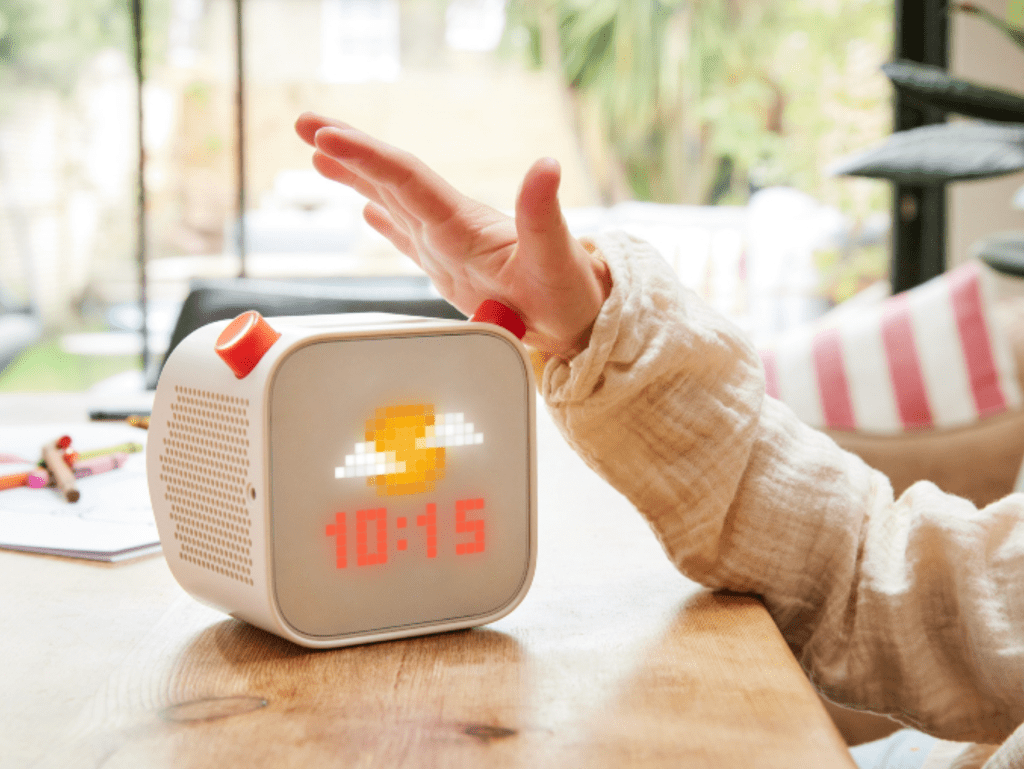
    1. Yoto Player for Screen-Free Listening

    This magical little audio player is one of the best things we’ve brought into our home. It lets my daughter listen to stories, music, and calming sounds, all without a screen.

    She picks her own cards, inserts them herself, and feels in control of her quiet time.

    📦 Shop Yoto Player on Amazon

    Why it works:

    • Encourages independence
    • Helps with wind-down and quiet moments
    • Grows with your child’s interests

    2. Scissors and Cutting Activities for Quiet Focus

    This one surprises people, but my daughter is obsessed with cutting, pasting, and creating. We keep a tray with paper strips, glue sticks, and child-safe scissors, and it’s something she reaches for daily.

    📦 Safety Scissors Kit

    Why it works:

    • Promotes fine motor development
    • Encourages focus and creativity
    • Supports Montessori-style independence

    Pro tip: Keep scraps from magazines or printed shapes for fun cutting practice.

    3. Jenga Blocks for Building and Imagining

    We didn’t buy these, they were gifted by a friend; and I honestly didn’t expect them to become such a hit. We’ve never played the traditional Jenga game, but my daughter uses the blocks to build towers, houses, roads, and tunnels. They’re just the right size for her hands, and she loves the satisfying “clack” they make when stacked.

    📦 Classic Jenga Game

    Why it works:

    • No rules or limits
    • Simple and satisfying to stack
    • Great for solo or parent-child play

    4. LEGO DUPLO Sets for Toddler-Friendly Construction

    We started small with a basic LEGO DUPLO set, and it’s now a daily staple. My daughter builds towers, sorts bricks by color, and creates her own little “cars” and “animals.”

    📦 LEGO DUPLO Bricks Box

    Why it works:

    • Encourages creativity and storytelling
    • Easy to grasp and build
    • Great for open-ended and independent play

    5. Magnetic Tiles for Endless Building Fun

    These were a recent purchase, and instantly became a favorite. She uses them to build houses, garages, and colorful towers. They click together with ease and offer so much possibility.

    📦 Connetix Magnetic Tile Set

    Why it works:

    • Sparks imagination
    • Perfect for independent or sibling play
    • Great intro to basic STEM concepts

    Final Thoughts

    These five toys don’t sit untouched on a shelf. They’ve become part of our daily rhythm, keeping my daughter engaged, creative, and independent in a way that screens and flashy gadgets never could.

    If you’re tired of spending money on toys that get ignored after one use, try these instead. They’ve truly passed the toddler test.

    As an Amazon Associate, I earn from qualifying purchases. I only share products that I trust and would use with my own child.

  • Toddler Tantrums: Why They Happen and How to Handle Them With Calm

    Let’s be real: toddler tantrums are loud, unpredictable, and sometimes (okay, often) completely exhausting. You’re at the grocery store. Or trying to get out the door. Or simply said “no” to a third cup of juice… and suddenly your sweet little one is on the floor screaming.

    Here’s the thing: tantrums aren’t a sign your child is spoiled, defiant, or broken. They’re a normal part of development, and actually a healthy sign that your toddler is learning how to feel and express big emotions.

    Here’s what’s really going on during tantrums, and how you can respond in a way that supports their growth and protects your peace.

    1. Why Tantrums Happen (It’s Not About You)

    Tantrums are a toddler’s way of saying:

    “I have big feelings, but I don’t have the words, tools, or brain development to handle them.”

    In early childhood, the part of the brain responsible for impulse control and logic (the prefrontal cortex) is still under construction. So when a toddler gets overwhelmed, they feel first, and hard.

    Common tantrum triggers:

    • Transitions (leaving the park, bedtime)
    • Hunger or overtiredness
    • Lack of control or independence
    • Too much stimulation
    • Not feeling heard

    2. What to Do During the Tantrum

    It’s tempting to reason, distract, or even snap, especially when you’re tired. But in the middle of a meltdown, your toddler’s brain can’t process logic. What they need most is your calm presence.

    Try:

    • Getting down to their level
    • Soft eye contact (if they allow it)
    • A calm voice: “You’re safe. I’m here. I know this is hard.”
    • Stay close without overpowering, offer a hug, but don’t force it

    Remember: your calm helps regulate their chaos.

    3. Offer Choices to Prevent Power Struggles

    Montessori parenting focuses on giving toddlers meaningful choices to promote independence and reduce frustration.

    Examples:

    • Instead of “Put on your shoes,” say: “Do you want your red shoes or your boots?”
    • Instead of “Time to leave,” say: “Would you like to walk or hold my hand?”

    Small choices = big feelings of control.

    Affiliate-friendly tip:
    📦 Daily Routine Chart for Kids
    Visual routine charts help toddlers understand what comes next, reducing surprise-triggered meltdowns and making transitions smoother.

    4. Use Simple Language for Big Emotions

    Labeling emotions helps toddlers build the language they need for next time.

    Try:

    • “You’re feeling mad because I said no.”
    • “You didn’t like when we had to leave. That felt really hard.”
    • “It’s okay to feel angry. I’m right here with you.”

    It may not stop the tantrum instantly, but over time, it builds emotional literacy and trust.

    5. After the Storm: Repair and Reconnect

    Tantrums pass. What matters most is what happens after.

    Once your child is calm, reconnect through touch, play, or a snack. You don’t have to lecture, just reassure. Remind them: no matter what, your love is steady.

    And if you lost your cool? Apologize gently. That models emotional responsibility, too.

    Final Thoughts

    Tantrums are not misbehavior, they’re communication. When you respond with calm and connection, you’re teaching your toddler one of the most important life lessons: it’s safe to feel big feelings.

    And when you hold space for those feelings, even when it’s hard; you’re not just surviving tantrums. You’re building a strong, emotionally grounded human.

    You’ve got this.

  • Working Mom Guilt Is Real — Here’s How to Let It Go (Without Letting Go of What Matters)

    You love your child. You also love your career (or maybe just need it). And yet somehow, no matter how much you do, there’s this quiet weight following you: working mom guilt.

    Whether it hits during daycare drop-off, after a missed bedtime, or in the silence of a late-night scroll through parenting posts, this guilt is familiar, and heavy. The truth? You’re doing more than enough. But if the guilt is getting in the way of your joy or presence, it’s time to shift that mindset.

    Here’s how to handle working mom guilt with compassion and clarity, and feel good about the life you’re building.

    1. Know That Guilt Doesn’t Mean You’re Doing Something Wrong

    Guilt isn’t always a signal that you’re failing. In motherhood, it’s often just a sign that you care, deeply. It means you want to be present, connected, and intentional. That’s a beautiful thing.

    But when guilt becomes your default emotion, it can cloud your confidence and steal joy from the moments that matter.

    Try this reframe:
    Instead of “I missed another pickup,” say:
    “I’m building a life that supports our family’s future, and my child is loved and safe.”

    2. Trade Perfection for Presence

    Montessori and gentle parenting philosophies both emphasize the value of connection over perfection. Your child doesn’t need you to be available 24/7, they need to feel loved, seen, and secure in your relationship.

    Focus on small rituals of presence:

    • 10 minutes of undistracted play after work
    • A consistent bedtime song or story
    • A special weekend breakfast together

    These little moments build lasting connection, not the quantity of hours, but the quality of them.

    3. Lean on Routines That Support, Not Stress

    A simple routine at home (for meals, playtime, or wind-downs) can make transitions easier and reduce overwhelm, for both of you.

    Affiliate-friendly tip:
    📦 Montessori Routine Chart for Toddlers
    Helps your child gain independence and reduces morning or bedtime chaos — even when you’re not there for every step.

    4. Talk to Your Child About Work (In Toddler Terms)

    Even toddlers can understand basic ideas about work, especially when it’s explained lovingly.

    Try saying:
    “Mommy goes to work to help people and to take care of our family. I love you all the time, even when I’m not with you.”

    Framing work as something positive (not something that takes you away) builds understanding and trust.

    5. Model Self-Compassion — Because They’re Always Watching

    If your child sees you being kind to yourself when you make mistakes or feel overwhelmed, they learn to do the same. That’s a gift.

    So when the guilt creeps in, say out loud:
    “I’m doing my best today. I didn’t do everything, but I did what matters.”

    Final Thoughts

    You are not failing. You are showing your child what strength, balance, and love in action looks like. There’s no such thing as a perfect mom, but you are the perfect mom for your child.

    Let the guilt go. Hold onto the love, the laughter, the messy bedtime routines. You’re doing better than you think.

  • How to Keep Toddlers Busy Without Screens: 10 Indoor Play Ideas That Work

    If you’ve ever searched “how to keep my toddler busy without TV,” you’re definitely not alone. We all need a moment to prep lunch, fold laundry, or just breathe. But finding screen-free activities that actually hold a toddler’s attention can feel like magic, or a mystery.

    Here’s the good news: screen-free doesn’t mean boring. With a few simple setups (and some Amazon helpers), your toddler can stay engaged, while building focus, independence, and creativity along the way.

    Let’s dive into 10 real-life toddler play ideas that are fun, easy, and actually work.

    1. Sensory Bins

    A shallow container filled with rice, pasta, pom poms, or kinetic sand can keep little hands busy for ages. Toss in some measuring cups or figurines and you’ve got a full activity.

    🛒 Try this: Kinetic Sand Kit

    2. Toy Rotation Magic

    Overwhelmed toy shelves can lead to… disinterest. Instead, put most toys away and rotate just a few at a time. Toddlers love the “newness” even if they’ve played with it before.

    🛒 Try this: Wooden Montessori Shelf

    3. Washable Paint Station

    Set up a safe painting area with big paper taped to the table or floor. Use washable paints or even water painting books for mess-free fun.

    🛒 Try this: Crayola Washable Paints

    4. Sticker Time

    Stickers are magical. Give your toddler a sheet of themed stickers and a notebook, and let them create their own story.

    🛒 Try this: Melissa & Doug Reusable Sticker Pad

    5. Indoor Obstacle Course

    Use pillows, chairs, tape, and tunnels to create a mini course. Great for rainy days and full of gross motor movement.

    🛒 Try this: Foldable Toddler Tunnel

    6. Pouring Station

    Set up cups, funnels, and a large tray with water or dry beans. Add food coloring or scoops for extra interest. It builds hand-eye coordination and focus!

    🛒 Try this: Montessori Pouring Set

    7. Playdough Creations

    Playdough never gets old. Add cookie cutters, rolling pins, or nature items like leaves and sticks.

    🛒 Try this: Play-Doh Fun Factory Set

    8. Montessori-Inspired Matching Games

    Use cards, animals, or color matching bowls to create toddler-friendly matching activities.

    🛒 Try this: Montessori Wooden Matching Games

    9. Pretend Play Zones

    Create mini stations like a pretend kitchen, doctor kit, or grocery store. Let your child take the lead and narrate their “play day.”

    🛒 Try this: Wooden Pretend Play Kitchen

    10. Window Art or Crayon Drawing

    Give your toddler washable window markers or big crayons for vertical art time. It’s great for shoulder and wrist development too!

    🛒 Try this: Crayola Washable Window Markers

    Final Thoughts

    Screens can be useful, but they don’t have to be your default. With a few simple tools and a little structure, your toddler can play, explore, and learn without a tablet.

    Even better? You’ll get those quiet pockets of time back (yes, they exist!).

    As an Amazon Associate, I earn from qualifying purchases. I only share products that I trust and would use with my own child.