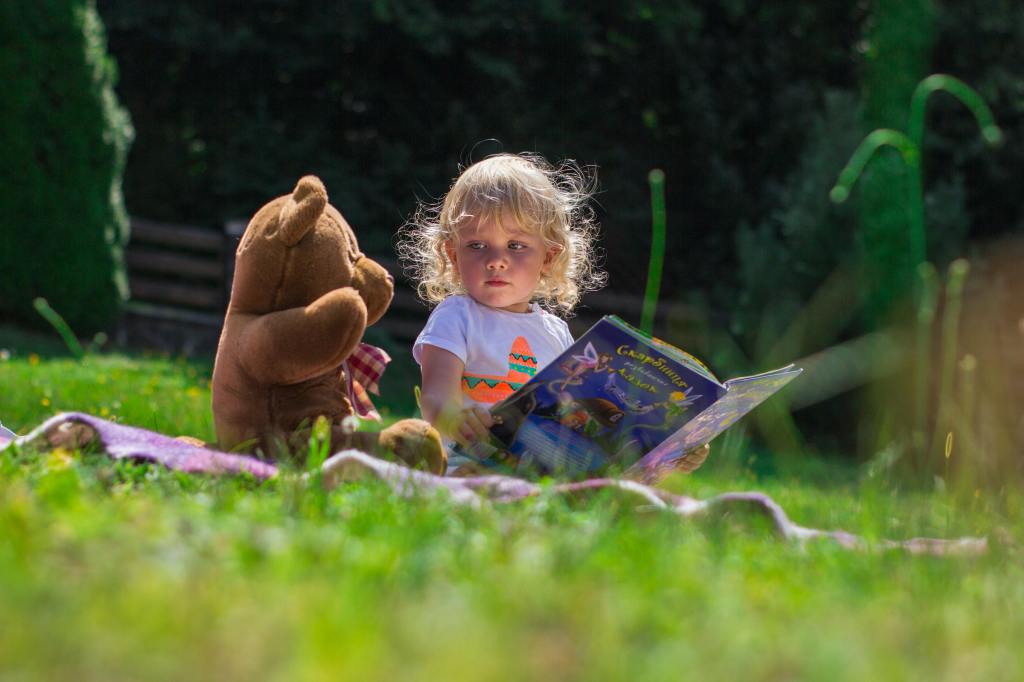
• Best Montessori Books for Toddlers in 2025 (That Encourage Independence and Wonder)

    Books are a big part of a Montessori home, but not just any books. In Montessori, we focus on realistic, age-appropriate, and beautifully illustrated stories that spark curiosity and help toddlers feel confident in their world.

    The right books can support early language development, build emotional understanding, and even teach life skills, all while respecting your child’s natural desire to learn.

    Here are the best Montessori books for toddlers in 2025, curated with love, learning, and independence in mind.

    1. “Global Babies” by The Global Fund for Children

    A simple, powerful book filled with real photographs of babies around the world, perfect for introducing diversity and global awareness at a young age.

    📦 Shop on Amazon
    Why it’s great:

    • Real photos, not cartoons
    • Promotes connection and empathy
    • Just the right length for short attention spans

    2. “First 100 Words” by Roger Priddy

    A Montessori classic! This board book uses real images instead of illustrations to help toddlers connect words to the real world around them.

    📦 Shop on Amazon
    Perfect for:

    • Building vocabulary
    • Self-led learning
    • Book baskets or shelf rotations

    3. “From Head to Toe” by Eric Carle

    While Montessori usually avoids fantasy, this book encourages movement and imitation — making it a great pick for active toddlers learning about their bodies.

    📦 Shop on Amazon
    Bonus: Toddlers can read along and move their bodies just like the animals — boosting both gross motor and language skills.

    4. “All By Myself” by Mercer Mayer

    A gentle story that celebrates independence — a key Montessori value. Your toddler will love watching Little Critter button his shirt, brush his teeth, and pour his own juice (even if he spills!).

    📦 Shop on Amazon
    Why Montessori families love it:

    • Shows real-life tasks toddlers can relate to
    • Encourages confidence and self-help

    5. “Whose Tools?” by Toni Buzzeo

    This board book is great for introducing real-world occupations. With flaps to lift and tool names to learn, it supports practical life learning in a fun, interactive way.

    📦 Shop on Amazon
    Ideal for curious toddlers who love to mimic adults and understand how things work.

    6. “I Can Do It Myself” by Stephen Krensky

    Montessori-aligned from the title alone! This book encourages children to try simple tasks independently — brushing teeth, getting dressed, pouring water.

    📦 Shop on Amazon
    Pair it with: A toddler self-care station or step stool to encourage practice after reading.

    7. “Baby Loves Aerospace Engineering!” by Ruth Spiro

    This STEM board book series uses real scientific concepts in toddler-friendly language. Great for Montessori homes that lean toward real-life, factual content.

    📦 Shop on Amazon
    Also available in themes like coding, gravity, and quantum physics — all simplified for toddlers!

    8. “How Do You Feel?” by Lizzy Rockwell

    Helps toddlers explore emotions through realistic situations and expressions — key for Montessori social-emotional development.

    📦 Shop on Amazon
    Why it’s Montessori-friendly:

    • No overdone cartoon faces
    • Encourages empathy and emotional awareness

    Tips for Creating a Montessori-Friendly Book Shelf:

    • Choose fewer books, displayed face out
    • Rotate books regularly to keep interest high
    • Stick to realistic stories and nonfiction themes
    • Let your toddler choose what to read!

    Final Thoughts

    The best Montessori books for toddlers are simple, real, and empowering. Whether it’s learning new words, naming emotions, or doing things “all by myself,” these books help toddlers build confidence and curiosity — one page at a time.

    You don’t need a huge collection. Just a few thoughtful, well-chosen books can create a meaningful reading routine at home.

    As an Amazon Associate, I earn from qualifying purchases. I only share products that I trust and would use with my own child.


  • Montessori-Inspired Ways to Use AI for Toddler Learning at Home

    Montessori learning is all about hands-on experiences, child-led discovery, and trusting your child’s natural rhythm. But in today’s world, even the most screen-minimal families are curious about how technology — especially AI — fits into the picture.

    The good news? AI can support Montessori principles when it’s used intentionally. We’re not talking about flashy screens or passive entertainment. We’re talking about smart tools that encourage independence, curiosity, and meaningful exploration, right at home.

    Here’s how you can use AI thoughtfully to support toddler learning, the Montessori way.

    1. Let Your Toddler Choose with Voice-Activated Assistants

    Montessori encourages freedom within limits, and voice assistants can help toddlers make choices in a gentle, structured way. By asking Alexa to play music, listen to a nature sound, or recite a poem, your child takes the lead in a calm, tech-assisted way.

    📦 Echo Dot Kids Edition
    With age-appropriate filters and parental controls, this smart speaker allows toddlers to safely explore music, facts, and routines, encouraging autonomy in everyday moments.

    Try this:
    Set up daily Alexa routines like:

    • “Alexa, start morning time” (play soft music, turn on light)
    • “Alexa, what’s today’s color?” (introduces a theme for the day)

    2. AI-Powered Storytellers for Language and Imagination

    Storytelling is a big part of Montessori language development. But if you’re busy making lunch or doing dishes, an AI-powered storyteller can help continue the rhythm of your day with meaningful, interactive language exposure.

    📦 Lunii My Fabulous Storyteller
    This screen-free device lets toddlers build their own stories by choosing characters, locations, and objects, encouraging creativity and early literacy skills without overstimulation.

    3. Smart Learning Apps That Follow Your Child’s Pace

    While Montessori doesn’t promote traditional screen learning, select apps can still support the philosophy, especially when they’re open-ended, allow for repetition, and are free from rewards or pressure.

    📦 Amazon Fire HD 8 Kids Tablet
    Preloaded with carefully curated, ad-free apps like Khan Academy Kids or Endless Alphabet, this tablet allows your toddler to explore at their own pace, choosing activities that align with their interests, with your guidance, of course.

    Pro Tip: Use it only during “tech time,” then return to hands-on play. A balance of digital and tactile learning fits beautifully within a modern Montessori home.

    4. Tactile Tech Toys That Still Prioritize Hands-On Play

    Montessori emphasizes real-world, physical interaction, and there are some AI toys that honor that by using voice, touch, and motion in a balanced way.

    📦 Miko Mini AI Robot
    This robot speaks, responds to questions, and encourages conversation, all while remaining engaging without being overstimulating. It’s especially great for promoting emotional intelligence and early communication.

    5. Tools That Help You Observe and Support (Not Entertain)

    Montessori encourages the adult to be an observer, stepping in only when needed. AI tools like developmental tracking apps or smart monitors let you quietly observe milestones and patterns so you can better support your child, without constant micromanaging.

    📦 Nanit Pro Smart Baby Monitor
    More than a camera, it tracks sleep patterns, movement, and more, giving you insight into your toddler’s natural rhythms without interrupting their independence.

    Final Thoughts

    Tech and Montessori don’t have to live on opposite sides of the parenting spectrum. With the right tools and a thoughtful approach, AI can gently support a Montessori-style home, one where your child leads the way, and you’re simply there to guide and observe.

    When AI is used to foster curiosity, independence, and respect, it becomes less about screens, and more about supporting your toddler’s natural desire to learn.

    As an Amazon Associate, I earn from qualifying purchases. I only share products that I trust and would use with my own child.
  • How Parents Can Use AI to Make Daily Life Easier

    Parenting is beautiful, exhausting, joyful, and often… overwhelming. Between managing meals, schedules, emotions (yours and your toddler’s!), and everything in between, it’s easy to feel like there’s never enough time in the day. But what if you could hand off a few of those tasks, not to another person, but to technology?

    Enter AI for parents. We’re not talking about robots raising your kids (promise!), just smart, everyday tools that can help you breathe a little easier and focus more on what really matters.

    1. Meal Planning Made Simple

    One of the daily stressors for parents? Deciding what to feed everyone. AI-powered meal planning apps like Whisk or Mealime can suggest family-friendly recipes based on what’s in your pantry, your toddler’s allergies, or even your picky eater’s preferences.

    Top Pick:
    📦 Amazon Echo Show 8
    Ask Alexa for quick recipes, set timers for meals, or even display your meal plan right on the screen while cooking with one hand and holding your toddler with the other.

    2. AI Baby Monitors That Actually Learn Your Routine

    Modern baby monitors don’t just show a video feed anymore, they track sleep, detect unusual sounds, and even alert you if something’s off. Some AI-powered options analyze sleep patterns and help build better sleep routines.

    Top Pick:
    📦 Nanit Pro Smart Baby Monitor
    This monitor gives you real-time sleep insights, breathing motion tracking, and personalized sleep tips based on your baby’s habits.

    3. Stay Organized Without the Mental Load

    From remembering doctor appointments to signing permission slips or rotating out Montessori toys, mental load is real. AI-powered calendar assistants like Google Assistant or Notion AI can help you stay on top of everything.

    Top Pick:
    📦 Echo Dot with Clock
    Perfect for setting gentle reminders or routines like “toy rotation Sundays” or “bedtime wind-down.”

    4. AI Learning Tools for Toddlers

    Looking for screen time that’s more than just cartoons? AI learning apps like Khan Academy Kids, Endless Alphabet, or Sago Mini World adapt to your child’s interests and learning level, giving them just enough stimulation without overwhelm.

    Top Pick:
    📦 Fire HD 8 Kids Tablet
    Includes parental controls, educational content, and can grow with your child, no endless app scrolling required.

    5. Mental Health Support for Parents

    Parenting can be isolating. Tools like Wysa or Sanvello use AI chatbots to help you check in with your emotions, offering low-pressure mental health support anytime you need it.

    Pro Tip: You can even journal with AI or use voice notes to track your mood during especially tough toddler phases.

    Final Thoughts

    You don’t have to do it all alone, and you don’t have to do it all manually. These AI tools aren’t here to replace your parenting, but to support it. Think of them as a little extra help on the days when your to-do list feels like it’s spilling over.

    The future is here — and it’s surprisingly parent-friendly.

    As an Amazon Associate, I earn from qualifying purchases. I only share products that I trust and would use with my own child.
  • Best Montessori Kitchen Tools for Toddlers: Encourage Independence While You Cook

    If your toddler keeps pulling up a chair to “help” in the kitchen, congrats! You’ve got a budding chef in the making. Instead of shooing them away (we get it, mess happens), now’s the perfect time to invite them in with tools designed just for little hands.

    Montessori philosophy encourages practical life skills early on, and the kitchen is a great place to start. With the right tools, toddlers can help prep food, clean up, and build real confidence along the way.

    Here are some of the best Montessori kitchen tools for toddlers, all easily available on Amazon.


    1. Montessori-Style Learning Tower

    Let’s start with the game-changer: a learning tower. It’s a safe step stool that brings your toddler up to counter height, so they can watch, reach, and help, without you worrying about tumbles.

    🛒 Try something like this sturdy wooden learning tower with adjustable height.
    Bonus: It often doubles as a mini fort or puppet stage.


    2. Child-Safe Knives for Food Prep

    Yes, toddlers can help cut food, with the right tools. Look for knives that are safe but functional, so they can really learn the motion of slicing.

    🛒 This nylon knife set is gentle on fingers but great for soft fruits, cheese, and veggies.

    Tip: Start with bananas or strawberries and work up from there.


    3. Mini Kitchen Utensils

    Let them stir, scoop, and mix with utensils made for their size. This gives them a true hands-on experience while building fine motor skills.

    🛒 Look for a toddler-sized utensil set like this BPA-free silicone option that includes a whisk, spatula, and spoon.

    They’ll love having “their own” tools to work with.


    4. Mini Cutting Board

    Instead of using your oversized board, offer your toddler a small, non-slip cutting board for practice.

    🛒 This toddler-safe mini bamboo cutting board is durable, easy to clean, and just the right size.


    5. Cleaning Tools Made for Kids

    Cooking includes cleanup! Toddlers love helping when they have the right-sized tools.

    🛒 Try a mini cleaning set like this Montessori-style broom and dustpan to let them sweep up crumbs or wipe counters.


    Final Thought:

    Cooking with toddlers doesn’t have to mean chaos. With a few well-chosen tools, you’re not just including them, you’re empowering them. Let them crack eggs, stir batter, or wipe spills. It might get messy, but it’s a beautiful kind of messy.

    As an Amazon Associate, I earn from qualifying purchases. I only share products that I trust and would use with my own child.

  • Toddler Room Ideas That Encourage Independence

    Toddlers thrive when their space supports them, not just keeps them busy.

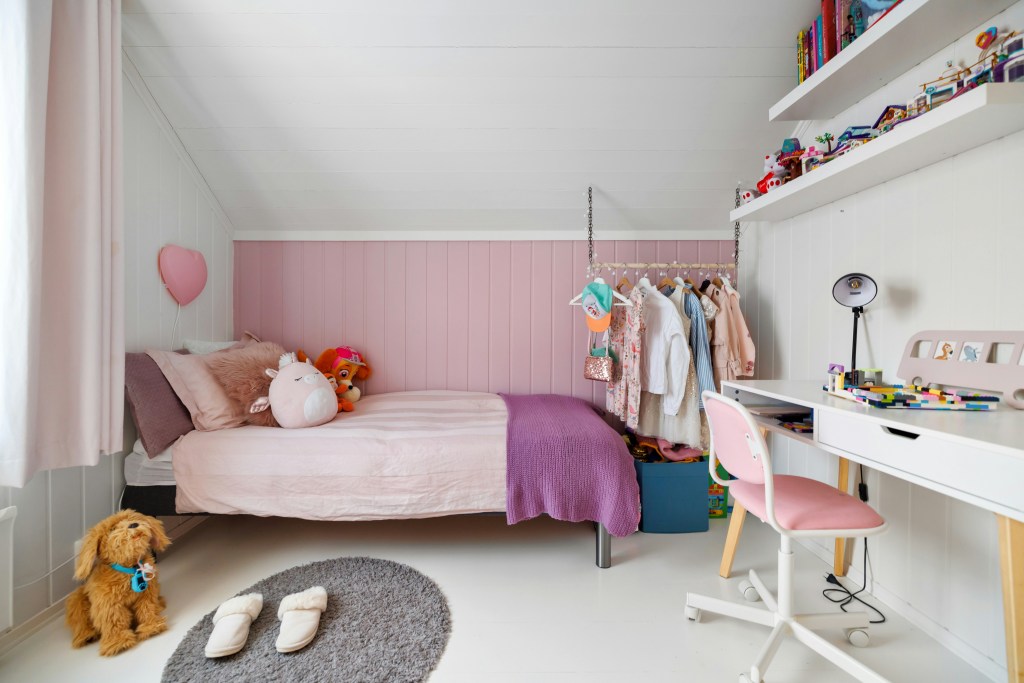
    Your toddler’s room doesn’t need to be picture-perfect or Pinterest-worthy. What matters most is that it’s set up in a way that encourages independence, confidence, and exploration. When toddlers can reach their clothes, choose a book, or climb into bed by themselves, they naturally develop important life skills—all while feeling safe and supported.

    Here’s how to create a toddler-friendly room that empowers your little one while keeping things calm, functional, and cozy.

    Keep Everything at Their Level

    The first step? Get down on the floor and look around from your toddler’s perspective.

    Toddlers are much more likely to engage with their space if it’s accessible. That means low shelves for books and toys, a floor bed they can get in and out of, and a simple, easy-to-reach clothing rack or dresser drawer.

    Try this:

    • Swap a tall dresser for cube shelves with baskets.
    • Hang a few hooks low enough for them to reach their own jacket.
    • Use a toddler-sized mirror so they can see themselves when getting dressed.

    Create a Calm, Clutter-Free Space

    A toddler’s room should feel peaceful, not overstimulating. Fewer items lead to more focused play and better sleep.

    Stick to a few open-ended toys (think blocks, animals, dolls), simple bedding, and soft lighting. Store the rest in bins or a nearby closet, and rotate weekly to keep things interesting without overwhelming.

    Less mess = more meaningful play.

    Include a Cozy Reading Corner

    A reading nook doesn’t need much: just a soft rug or cushion, a basket of books, and maybe a favorite stuffed animal or two. The goal is to make reading feel inviting and accessible.

    Even toddlers who can’t read yet love flipping through books. Having a special spot that’s all theirs helps build a love for quiet time and stories early on.

    Give Them Room to Move and Play

    Leave space for your toddler to explore, build, or lie down with a puzzle. Keep toys organized in low, open bins, and use a child-sized table or play mat instead of large furniture that limits floor space.

    You don’t need a big room, just thoughtful arrangement.

    Encourage Independence with Simple Daily Routines

    When toddlers can do things “by myself,” their confidence grows. Set up a basket with their PJs, provide a step stool near their light switch or closet, and let them help tidy their own space with a small toy bin or laundry basket.

    This isn’t just about a tidy room, it’s about teaching them that they’re capable.

    A Few Helpful Items (Optional but Loved)

    Final Thoughts

    A toddler’s room is more than a place to sleep—it’s their world. When you design it with their independence in mind, you’re giving them space to grow, learn, and feel proud of what they can do on their own.

    And the best part? It doesn’t have to be complicated. Just a few intentional changes can make a big impact.

  • Co-Sleeping with Toddlers: What’s Normal, What Helps, and How to Make It Work

    Toddlers are famous for sneaking into your bed at 2 a.m., but does co-sleeping mean you’re doing it wrong? Not at all.

    If your toddler insists on curling up beside you night after night, you’re far from alone. Whether it started during infancy or became the norm after a string of sleepless nights, co-sleeping with toddlers is more common than people admit. Still, it comes with mixed emotions: some nights feel cozy and others feel like you haven’t slept in years.

    So how do you know if it’s working? And if it’s not, what can help?

    Let’s break down what co-sleeping really looks like, what’s normal, and how to set up boundaries and habits that keep everyone safe and sane.

    What Co-Sleeping Actually Means (And Why Families Do It)

    Co-sleeping simply means sleeping close to your child. For some families, it’s bed-sharing; for others, it might be a toddler bed pushed next to the parent’s. Many parents turn to co-sleeping out of necessity—night wakings, separation anxiety, or just pure exhaustion.

    And here’s the truth: If it’s working for your family and you’re getting enough rest, it’s okay.

    It’s also okay if it’s not working and you’re ready for a change.

    Common Struggles with Co-Sleeping

    If you’re feeling unsure, here are a few signs co-sleeping might need a tweak:

    • You’re not sleeping well. Constant kicks, wiggles, or middle-of-the-night tantrums can wear you down.
    • Your toddler can’t sleep without you. Every nap, bedtime, or night waking depends on you being right there.
    • You want your bed back. Wanting personal space is valid, even if you love the cuddles.
    • It’s causing tension with your partner. Sleep routines affect the whole household.

    Tips for Safer, More Peaceful Co-Sleeping

    If you choose to co-sleep, here are a few ideas to make it safer and more restful:

    • Create a sleep-friendly environment. Keep pillows, comforters, and stuffed animals minimal. A firm mattress and a toddler-safe bed rail can help prevent accidents.
    • Establish a consistent bedtime routine. Bath, books, and a snuggle signal it’s time to wind down, even if you’re sharing space.
    • Use the “nesting” method. Some parents create a floor bed setup where everyone has space, especially helpful for toddlers who move a lot.
    • Try gradually transitioning. If you want your bed back, consider starting with a mattress on your floor, then moving your child into their own space in stages.
    • Talk about it during the day. Toddlers process things best when it’s not the middle of the night. Read books about sleep and reassure them they’re safe.

    When It’s Time to Transition

    If co-sleeping worked for a season but now it’s feeling hard, it’s okay to shift. Here’s what can help:

    • Talk with your toddler about a new sleep space before you begin.
    • Let them help choose a special blanket or pillow for their new bed.
    • Stay nearby at first, even a chair by their door can be comforting.
    • Be patient. Transitions take time and consistency.

    A Few Helpful Products (If You Need Them)

    Not necessary, but if you’re looking for tools to support co-sleeping or transitioning away from it, these are parent favorites:

    Final Thoughts

    Co-sleeping is one of those topics where everyone has an opinion, but your family is what matters most. If you and your toddler are rested and happy, you’re doing just fine. If it’s time for a change, there’s no shame in gently shifting your routine.

    Whether it’s a season or your family’s long-term style, what counts is that everyone feels safe, connected, and rested.

  • Top Open-Ended Toys for Independent Toddler Play

    Open-ended play is magic for toddlers. Instead of lights, buttons and batteries telling them how to play, your child decides what happens next. That choice builds attention span, creativity, and problem-solving skills, plus it frees you up to drink a warm coffee in peace. Below are eight parent-loved toys that spark imagination today and still feel fresh a year from now.

    1. Large Wooden Block Set

    Stack them, line them up like a road, turn them into a zoo fence—blocks do it all. Choose smooth, unfinished wood so little hands stay splinter-free.
    Top Pick: Grimm’s 30-piece Large Natural Blocks – heirloom quality and big enough for tall towers.

    2. Magnetic Building Tiles

    These colorful shapes click together to become rockets, castles, or pretend pancakes. They boost STEM skills and are almost impossible to outgrow.
    Top Pick: Magna-Tiles 100-piece Clear Colors Set – strong magnets and plenty of variety for expansive builds.

    3. Silicone Nesting Bowls

    Bowls become drums, sand molds, or a pretend soup set. Silicone is dishwasher safe and perfect for bath time too.
    Top Pick: Lalo Stacking Nesting Cups – food-grade, BPA-free, and lovely muted colors.

    4. Wooden Rainbow Stack

    Toddlers turn arches into bridges, tunnels, doll beds, or wall art. Great for fine motor practice and early color sorting.
    Top Pick: Wooden Rainbow Stacking Toy – hand-made in Spain with non-toxic stains.

    5. Play Silks

    Light, flowy cloths transform instantly into superhero capes, picnic blankets, or ocean waves. They pack small and wash easily.
    Top Pick: Sarah’s Silks Enchanted Mini Playsilks – vibrant dyes from eco-friendly pigments.

    6. Set of Animal Figurines

    Figurines invite storytelling and pair perfectly with any of the toys above. Look for realistic details and durable materials.
    Top Pick: Schleich Farm World – sturdy, hand-painted, and just the right size for toddler hands.

    7. Wooden Loose Parts

    Think rings, coins, spools and peg dolls. Loose parts turn block builds into playgrounds and inspire color sorting or counting games.
    Top Pick: MIKNEKE 162 Wooden Loose Parts – gorgeous rainbow shades and safe water-based finish.

    8. Chunky Crayons and a Giant Sketchpad

    Art counts as open-ended play too. Oversize crayons fit a toddler grip and a big pad means fewer “Not on the walls!” moments.
    Top Pick: Honeysticks Beeswax Crayons – food-grade coloring and almost unbreakable.

    Final Thoughts
    Less really is more. Rotate a few of these toys each week, store the rest out of sight, and watch your toddler sink into deeper, calmer play, no batteries required.

    Note: As an Amazon Associate, I earn from qualifying purchases.

  • The Power of Routines for Toddlers

    If your toddler thrives on repetition, you’re not imagining it. Toddlers love routines, and for good reason.

    Knowing what to expect helps young children feel safe, secure, and in control of their little world. While life with toddlers can feel chaotic, having a predictable rhythm to your day actually makes everything easier—mealtimes, naps, play, and even those tricky transitions.

    Let’s talk about why routines work so well for toddlers, how to build one that feels natural (not rigid), and how to stick with it without stressing out.

    Why Routines Matter for Toddlers

    Toddlers are still figuring out the world around them. A consistent routine helps them:

    • Feel secure and confident because they know what’s coming next
    • Develop independence by learning what to expect and how to participate
    • Build emotional regulation by reducing anxiety and tantrums
    • Transition more smoothly between activities like playtime, meals, and bedtime

    When toddlers know what to expect, they’re less likely to push boundaries just to figure out what’s going on.

    What a Toddler Routine Can Look Like

    You don’t need a minute-by-minute schedule. In fact, too much structure can feel stressful. What you want is a gentle rhythm, a predictable order to your day that helps your toddler settle in.

    Here’s an example of a simple toddler routine:

    • Morning:
      Wake up, get dressed, breakfast, playtime (inside or outdoors)
    • Midday:
      Lunch, nap or quiet time
    • Afternoon:
      Snack, more play, maybe a walk or errands
    • Evening:
      Dinner, bath, books, bedtime

    It doesn’t have to be perfect every day. The goal is consistency with flexibility.

    Tips for Creating a Routine That Works

    1. Start Small

    If routines are new to your toddler (or to you), start with just one or two anchor points: like the same bedtime flow every night, or a consistent mealtime.

    2. Use Visuals

    Young toddlers can’t tell time, but they understand pictures. Try a visual routine chart with images of common activities—like a plate for mealtime or a toothbrush for bedtime.

    Top Pick: The Routine Helper Magnetic Chart by Kudo Banz is a parent favorite for toddlers learning daily rhythms.

    3. Keep Transitions Smooth

    Toddlers struggle with stopping one thing and starting another. Try giving a heads-up: “In five minutes, it’ll be time to clean up.” You can also use timers or a short transition song to help.

    4. Stick With It (Even When It Feels Like It’s Not Working)

    Toddlers need repetition to learn routines. At first, they might resist or ignore the new flow, but stick with it. It can take a couple of weeks before it clicks.

    5. Allow Flexibility

    Life happens. Travel, illness, visitors, some days won’t go according to plan. That’s okay. The routine isn’t about control, it’s about creating a stable foundation you can return to when things get off track.

    Routine Ideas to Try

    Looking to build or strengthen your toddler’s routine? Try starting with these:

    • Morning Routine:
      Wake up, diaper change/potty, get dressed together, sit down for breakfast
    • Meal Routines:
      Wash hands, help set the table, eat together, clean up together
    • Play Routines:
      Choose toys together, play in a defined space, clean up before moving on
    • Bedtime Routine:
      Bath, pajamas, books, lullaby, lights out at the same time each night

    Top Pick: We love Slumberkins Bedtime Routines Books and Snugglers to create calm, comforting sleep rituals.

    Final Thoughts

    Routines won’t solve every toddler meltdown, but they do give your child a sense of security that makes life a little smoother for everyone. You don’t need to be strict or perfect—just consistent.

    When your toddler knows what to expect, they can move through the day with more confidence and calm. And when they feel secure, you’ll start to feel that way too.


    Looking for more parenting tips that feel realistic and actually help? Check out more toddler guides on Parenting Kindly. Your daily rhythm might just get a whole lot easier. [Link to blogs]

  • Montessori at Home: 10 Easy Activities for 2-Year-Olds

    Got a busy two-year-old who wants to do everything by themselves?

    That’s the perfect time to start introducing Montessori-style activities at home. You don’t need fancy materials or a full room makeover. Just a few intentional setups that match your child’s growing need for independence, movement, and hands-on learning.

    Here are 10 easy Montessori-inspired activities you can do right at home, with things you probably already have.

    1. Pouring Practice with Water or Grains

    Set up two small pitchers (or cups) and let your toddler pour from one to the other. Start with dry materials like lentils or rice, then move to water.

    Why it works: Builds coordination, concentration, and practical life skills.
    Top Pick: Try a Montessori-Style Pouring Set with small ceramic jugs and a tray to contain spills.

    2. Washing Toys or Dishes

    Fill a shallow basin with soapy water, add a sponge and a few plastic toys or dishes. Let your child scrub and rinse to their heart’s content.

    Why it works: Encourages responsibility and sensory exploration.

    3. Matching Lids to Containers

    Gather different containers with lids and mix them up. Ask your toddler to find which lid fits which container.

    Why it works: Builds problem-solving and fine motor skills.

    4. Nature Tray

    Collect leaves, rocks, flowers, or pinecones from outside and arrange them on a tray. Let your child observe, sort, or simply explore with their hands.

    Why it works: Connects children to nature and encourages curiosity.

    5. Simple Snack Prep

    Let your child peel a banana, spread nut butter on toast with a toddler-safe knife, or pour their own water into a cup.

    Why it works: Encourages independence and confidence with food.

    Top Pick: The Learning Tower gives your toddler a safe way to help at the counter.

    6. Object-to-Picture Matching

    Print photos of familiar objects (like a spoon, ball, or shoe) and have your toddler match the real item to the picture.

    Why it works: Boosts language, visual recognition, and early cognitive development.

    7. Posting Activities

    Cut a slit in a cardboard box and give your toddler coins, poker chips, or big buttons to “post” through it.

    Why it works: Great for hand-eye coordination and focus.

    8. Montessori-Style Toy Shelf

    Instead of bins filled with lots of toys, display 6–8 toys neatly on a low shelf. Rotate weekly to keep interest fresh.

    Why it works: Encourages deep play, independence, and respect for materials.
    Top Pick: A Montessori Toy Shelf is a worthwhile investment for toddler playrooms.

    9. Transferring with Tongs or a Spoon

    Set up two bowls, one filled with cotton balls, pom-poms, or pasta, and have your toddler transfer items using a spoon or tongs.

    Why it works: Develops hand strength and fine motor control, prepping for writing later on.

    10. Dressing Frames or Real Clothes Practice

    Let your toddler practice buttoning, zipping, or snapping clothing using dressing frames, or better yet, real clothes.

    Why it works: Helps build independence with dressing and self-care.

    Top Pick: Montessori Button and Zipper Dressing Frames are a fun way to teach dressing skills.

    Final Thoughts

    Montessori at home doesn’t have to be complicated. It’s really about trusting your toddler, slowing down, and creating a space that invites them to explore and do things for themselves.

    These simple activities encourage independence, focus, and confidence—all while helping you slow the pace of daily life. Let your little one lead, and watch how capable they really are.


    Curious about more Montessori-inspired routines, toys, and tips? Explore the Parenting Kindly blog for practical ideas that support real families like yours. [Click here]

  • Helping Toddlers Navigate Big Emotions

    Toddler emotions are no joke.

    One minute, your child is giggling uncontrollably. The next, they’re melting down because you gave them the blue cup instead of the red one. It’s intense, but totally normal. Toddlers feel big feelings in little bodies, and most of the time, they don’t know what to do with all that emotion.

    As a parent, it’s easy to feel overwhelmed or frustrated in these moments. But with a little understanding and some simple tools, you can help your toddler feel safe, seen, and supported.

    Let’s break down how to help your toddler navigate those big emotions, without losing your cool in the process.

    Why Toddlers Struggle With Emotions

    Toddlers are still developing the ability to manage their feelings. Their brains are under construction, especially the parts responsible for impulse control and emotional regulation.

    They don’t throw tantrums to manipulate you. They do it because:

    • They’re overwhelmed or overstimulated
    • They don’t have the words yet to explain what’s wrong
    • They’re testing boundaries or learning cause and effect
    • They need comfort and connection, but don’t know how to ask for it

    This stage is tough, but it’s also an incredible opportunity to teach emotional intelligence from the very beginning.

    What You Can Do to Help

    You don’t need to be perfect. You just need to be consistent, calm (as much as you can be), and present. Here are some ways to support your toddler through the ups and downs:

    1. Name the Emotion

    When your toddler is upset, try calmly saying what you think they’re feeling. For example: “You’re really frustrated because your tower fell down.” This helps them start to identify and name emotions over time.

    2. Stay Calm (Even When They’re Not)

    Your calm presence is powerful. It’s okay to feel irritated or overwhelmed, but try not to match their chaos with more chaos. Take deep breaths, lower your voice, and model regulation.

    3. Offer a Calm-Down Space

    Create a cozy nook with pillows, books, or stuffed animals where your child can go to reset. It’s not a punishment, just a safe place to regroup when emotions get big.

    Top Pick: We love the Slumberkins Snuggler + Story Sets for helping toddlers connect with their feelings through stories and cuddly companions.

    4. Use Simple Words and Repetition

    Short phrases like “I see you’re upset” or “Let’s take a breath” can go a long way. Toddlers learn through repetition, so even if it doesn’t seem like they’re listening, they’re absorbing it over time.

    5. Model Your Own Emotions

    If you’re frustrated, say so, then show how you handle it. “I’m feeling a little mad, so I’m going to take a deep breath.” This teaches them that feelings are okay and manageable.

    6. Offer Physical Comfort

    Some toddlers want space, others need a hug. Let them lead, but offer that comfort when they’re ready. Even a quiet presence nearby helps them feel safe.

    What Not to Worry About

    It’s okay if your toddler has meltdowns. It doesn’t mean you’re doing anything wrong. It just means they’re learning. Emotional development takes time—years, actually.

    What matters most is that your child knows they’re loved, even when their feelings are big and messy.

    Final Thoughts

    Helping your toddler manage emotions isn’t about stopping the tantrums or avoiding hard moments. It’s about showing up, staying steady, and giving them the tools to understand what they’re feeling.

    You won’t always get it right. That’s okay. You’re learning, too.

    What your toddler will remember isn’t the meltdown. It’s that you were there, helping them through it.


    Want more real-life strategies for toddler challenges? Explore our blog for tips that actually work (and leave room for grace). [Link to blog]