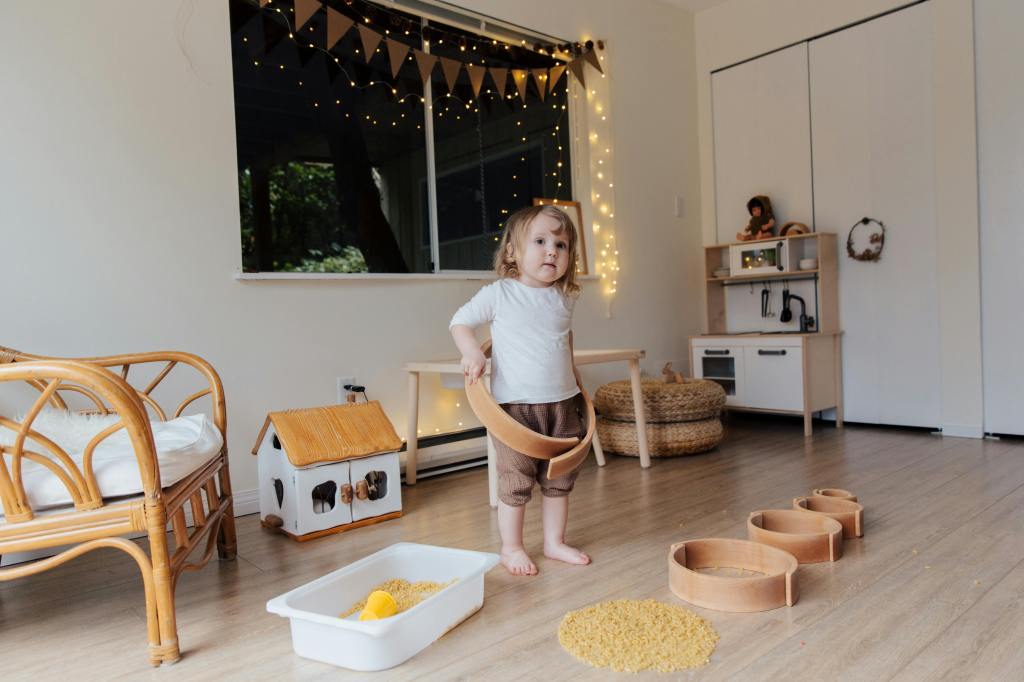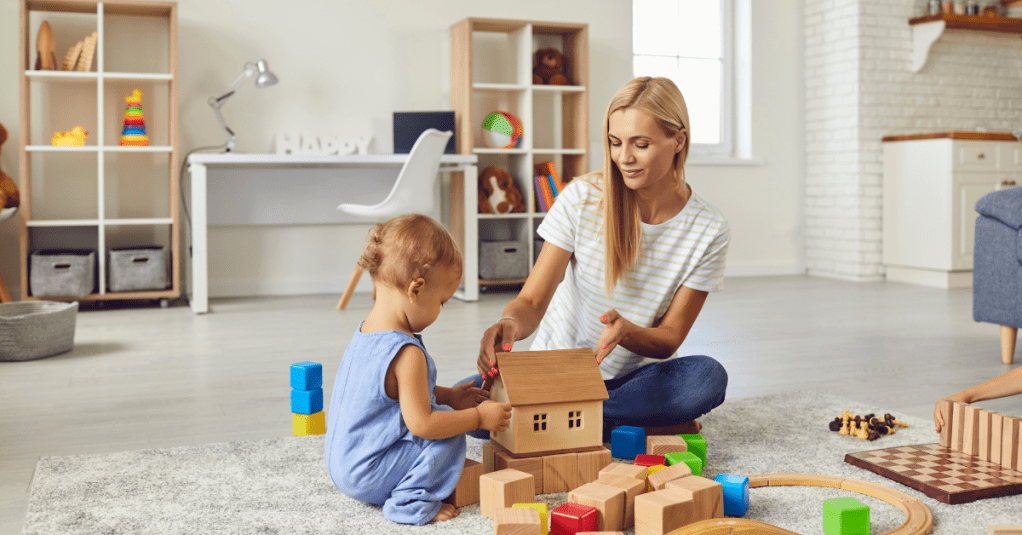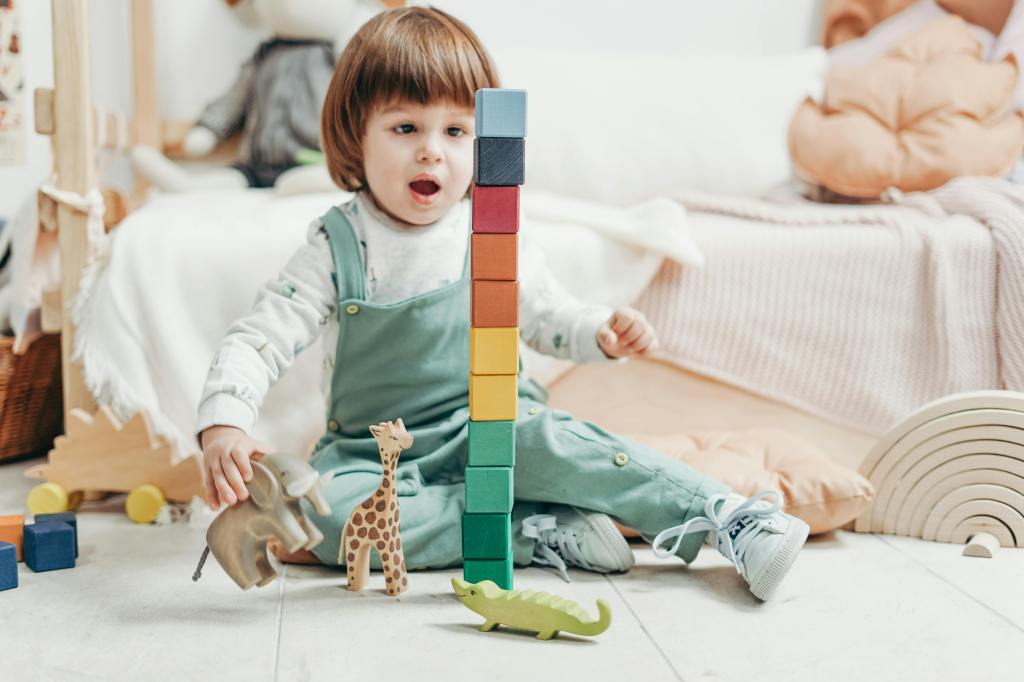
• Why Independent Play Is So Important (And How to Encourage It)

    Ever feel like your toddler needs your attention every second of the day?

    That’s completely normal, but it can also be exhausting. The good news? You don’t have to entertain your child 24/7. In fact, independent play isn’t just a breather for you; it’s one of the best things for your toddler’s development.

    Let’s explore why independent play matters so much and how you can gently encourage more of it at home.

    What Is Independent Play?

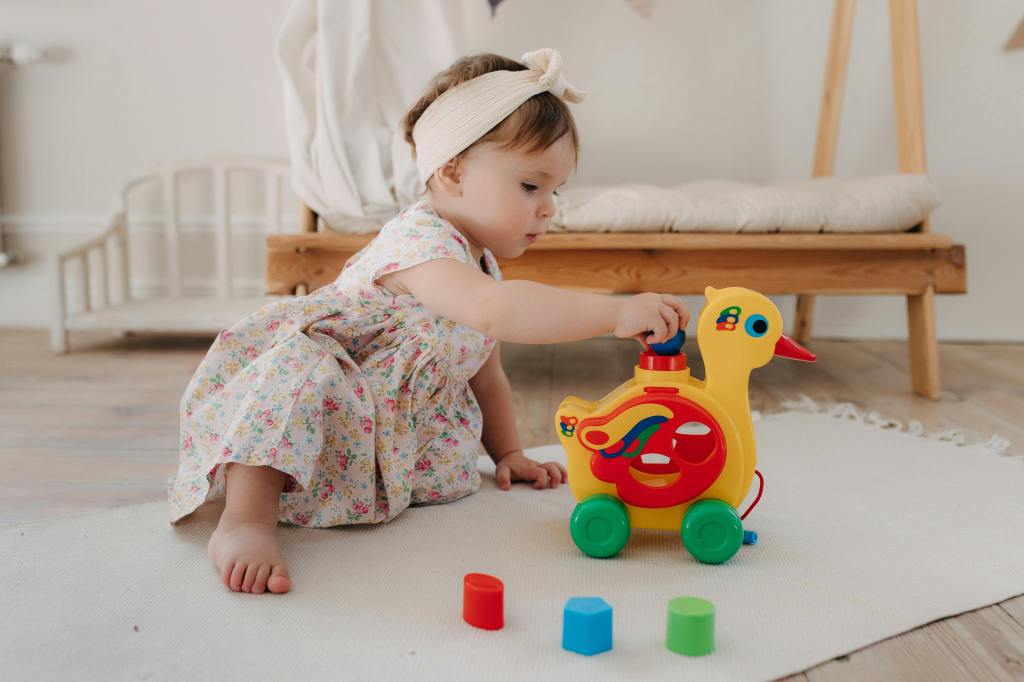
    Independent play is when your child engages in playtime on their own, without direct help or interaction from an adult. That doesn’t mean ignoring them, it means creating a space where they feel safe, supported, and confident to explore by themselves.

    This kind of play supports:

    • Creativity and imagination
    • Focus and problem-solving
    • Confidence and independence
    • Emotional regulation

    It’s a quiet, powerful way for children to learn how to think, not just what to think.

    Why It Matters

    When toddlers play independently, they’re building life skills. They’re learning how to entertain themselves, solve problems, and explore ideas without relying on constant adult direction.

    Here’s what it helps develop:

    • Patience and resilience: They’ll try, fail, and try again without someone jumping in.
    • Attention span: The more they play on their own, the longer they learn to stay engaged.
    • Confidence: They feel capable, trusted, and proud of their accomplishments.

    It also gives you time to breathe, cook dinner, or drink your coffee while it’s still warm. That matters, too.

    How to Encourage Independent Play

    It may take time (and patience), but encouraging solo play is absolutely doable. Here’s how to make it work:

    1. Create a Safe, Inviting Play Space

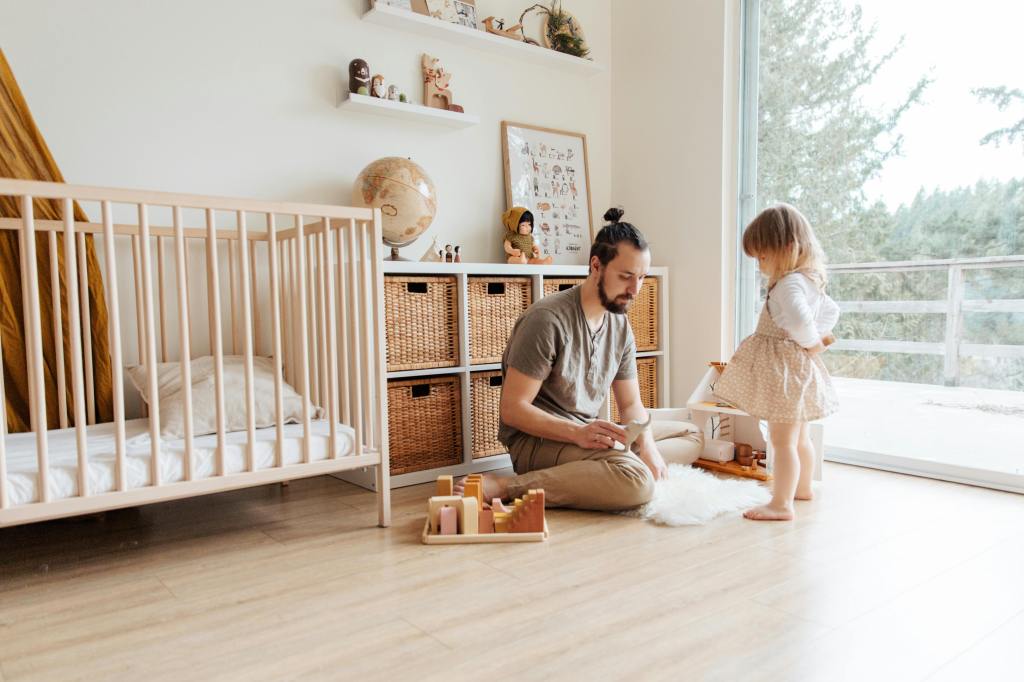
    Set up a play area where your toddler has access to a few simple, open-ended toys. Keep the space calm and clutter-free so they’re not overwhelmed by too many choices.

    Top Pick: We love the Lovevery Play Kits for stage-based toys that grow with your child.

    2. Rotate Toys Weekly

    Too many toys at once can be overstimulating. Try rotating just a few each week to keep things feeling new and exciting. Toddlers tend to play longer when there’s less around.

    3. Use a “Play and Walk Away” Approach

    Sit down with them for a few minutes to get play started, then slowly move away while they continue. This builds confidence and gently encourages independence.

    4. Be Consistent With Time and Space

    Set a predictable rhythm. For example, after breakfast might always be “playtime,” or there’s always a bin of toys in the living room. Toddlers love routine, they’ll get used to the flow.

    5. Avoid Interrupting Their Flow

    If they’re happily engaged, resist the urge to jump in or praise too quickly. Let them stay in their world. This helps build concentration and deep play.

    What If My Toddler Resists?

    That’s totally normal at first. Independent play is a skill, not an overnight switch. Start small, just 5 or 10 minutes a day, and celebrate their efforts. Over time, they’ll get the hang of it.

    If they’re especially clingy, try being present but not interactive. Sit nearby while doing your own task, so they feel supported but not the center of attention.

    Final Thoughts

    Independent play doesn’t mean you’re neglecting your toddler, it means you’re trusting them to learn, explore, and create on their own terms. And that’s powerful.

    It also means you’re giving yourself space to breathe, reset, and show up as a calmer, more grounded parent. Because parenting doesn’t have to mean doing everything, all the time.

    Give it a try, step back and see what happens. You might be surprised by just how capable your little one really is.


    Want more simple parenting tools that support your toddler’s development and your sanity? Browse our latest posts for tips, routines, and product picks that make life easier. [Link to blog]

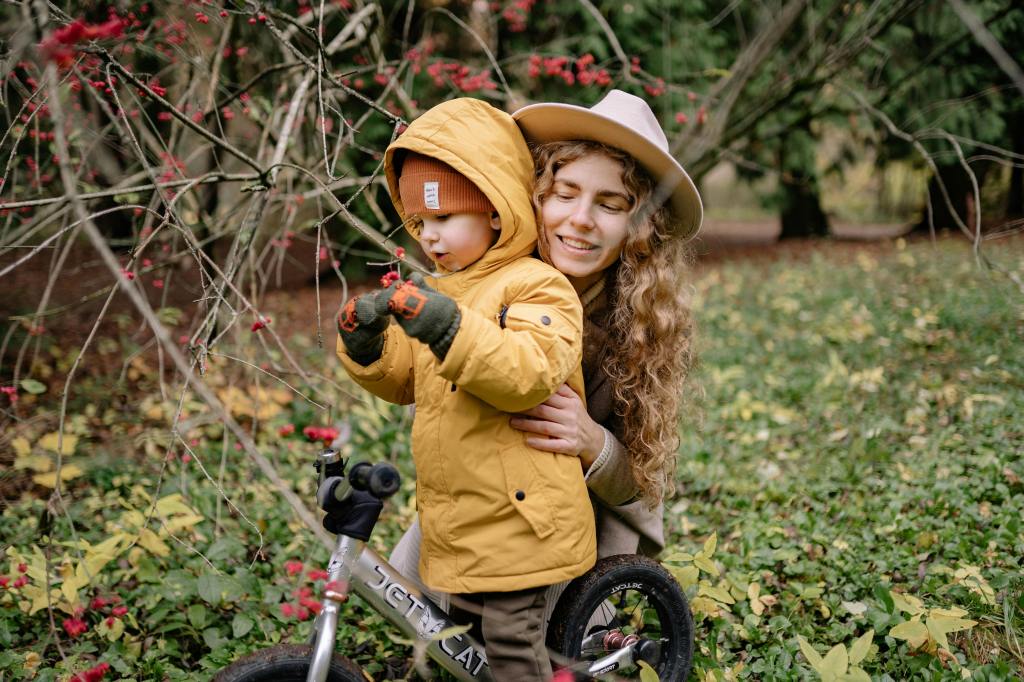
  • Parenting Burnout Is Real: Here’s How to Cope

    Some days, it feels like you’re running on empty.

    Between the never-ending laundry, toddler tantrums, and the mental load of everything, it’s no surprise that so many parents feel totally worn down. And while the love we have for our kids is endless, our energy and patience? Not always so much.

    That feeling of constant exhaustion, like you’re stuck in survival mode? That’s parenting burnout, and it’s more common than you think.

    Let’s talk about what it really looks like and how to cope when it feels like too much.


    What Is Parenting Burnout?

    Parenting burnout isn’t just feeling tired. It’s a deep emotional, physical, and mental fatigue caused by prolonged stress, without enough time to recharge.

    Some signs to watch for:

    • You feel constantly overwhelmed or emotionally drained
    • You snap at your kids over small things
    • You struggle to enjoy time with your family
    • You feel guilty, but also like you want to run away for a minute (or a week)

    If any of that sounds familiar, you’re not alone.


    Why Burnout Happens

    There’s no one cause, but burnout usually builds over time when support is low and pressure is high. It can stem from:

    • Unrealistic expectations (from society or yourself)
    • Feeling isolated or unsupported
    • Trying to do it all without help
    • Lack of rest, time alone, or adult connection

    Many of us were never taught to prioritize our own needs, especially in early parenthood. But you can’t pour from an empty cup.


    What You Can Do About It

    The good news? There are ways to ease the overwhelm. Here are a few realistic strategies that actually help:

    1. Say Yes to Rest

    You don’t need a weekend retreat (though that’d be nice). Rest can look like putting on a show for your toddler while you drink coffee in peace. Or a 10-minute walk by yourself. Find small moments to rest your body and mind.

    2. Lower the Bar

    The house doesn’t have to be spotless. Dinner doesn’t have to be homemade every night. Your child doesn’t need a perfectly planned activity schedule. What they need most is a present, less-stressed version of you.

    3. Connect with Others

    Parenting wasn’t meant to be done in isolation. Reach out to a friend, text another mom, or join an online group (even if you don’t feel like it). Connection lightens the emotional load more than we realize.

    4. Get Outside

    Fresh air and a change of scenery can do wonders for your mood, even if it’s just a quick stroller walk or sitting on the porch while your toddler plays with chalk.

    5. Ask for Help

    This one’s hard, but essential. Whether it’s your partner, a friend, or a neighbor, delegate, outsource, and share the load when you can. You’re not failing by needing help. You’re human.


    Final Thoughts

    You’re doing the most important job in the world, and it’s okay if you’re exhausted. Burnout doesn’t mean you’re a bad parent. It means you’ve been trying to do too much with too little support for too long.

    Be gentle with yourself. Start small. Pick one thing from this list and give yourself permission to not do it all today. Because you matter, too.


  • Simple Ways to Encourage Outdoor Play for Toddlers

    Let’s be honest. Getting toddlers outside can feel like just another thing on your to-do list. But it doesn’t have to be complicated. You don’t need a big backyard or a Pinterest-worthy setup. Toddlers aren’t looking for perfection. They just want to move, explore, and have fun.

    Outdoor play is one of the best things you can do for your little one. It helps with motor skills, sparks creativity, supports emotional development, and gives them that much-needed energy release. Whether you have a grassy yard, a patio, or just a park nearby, there are lots of simple ways to make outdoor time easy and enjoyable for both of you.

    1. Keep It Short and Sweet

    You don’t need hours of outdoor time. Even 15 to 30 minutes a day makes a big difference. Try heading outside after snack, before nap, or while dinner’s cooking. Toddlers thrive on routine, so making outdoor time a regular part of the day helps them look forward to it.

    Pro tip: Keep shoes, sunscreen, and a few favorite toys by the door to make transitions easier.

    2. Set Up a Simple Space

    You don’t need a huge yard or a fancy play structure. Just choose a safe space where your toddler can roam and explore. A patch of grass, a balcony, or even a shady sidewalk corner can work. Toss out a ball, a few buckets, or a ride-on toy and you’re good to go.

    Top Pick: Try the Toddleroo Play Yard to create a safe, enclosed space that gives your toddler freedom while keeping things manageable for you.

    3. Use Open-Ended Toys

    Skip the noisy, flashing toys. Outdoors is perfect for toys that spark imagination. Buckets, shovels, balls, and sidewalk chalk can be used in endless ways. Let your toddler lead the play and see where it goes.

    4. Add a Little Water

    Toddlers love water. A tub of water with cups and spoons can keep them happy for a long time. You can also paint the pavement with water, give toy animals a bath, or let your toddler water plants with a small watering can.

    Top Pick: The Eco-Friendly Watering Can Set is perfect for toddlers who want to help out in the garden.

    5. Start a Nature Collection

    Give your toddler a basket or bag and see what treasures they find outside. Leaves, rocks, flowers, and sticks can all be exciting through toddler eyes. Back at home, sort and display them or use them in art projects later.

    6. Let Them Help in the Garden

    If you have plants or pots, invite your toddler to help water, dig, or pick herbs. Gardening teaches patience, responsibility, and a love for nature. Even a single flower pot can be fun for them.

    Top Pick: The Montessori Gardening Kit includes real tools designed for little hands and adds an educational twist to outdoor play.

    7. Have a Picnic Snack

    Turn snack time into an outdoor adventure. Spread a blanket on the grass or porch and bring a simple snack outside. Everything feels more fun with a change of scenery.

    8. Make Room for Imaginative Play

    Outside is the perfect stage for pretend play. A stick can become a wand or a microphone. Rocks turn into treasure. A corner of the yard becomes a dinosaur world. Let your toddler take the lead and join in when invited.

    9. Say Yes to a Little Mess

    Let them dig in the dirt. Let them climb and explore. Toddlers learn by doing, and a bit of safe risk-taking helps them build confidence and physical skills. It’s okay if they get dirty or fall a little. You’re helping them grow.

    10. Don’t Overthink It

    You don’t need a perfect plan or setup. Just go outside. Blow bubbles, walk barefoot in the grass, or sit and watch clouds. Toddlers don’t need fancy. They need space to move, freedom to explore, and time with you.

    Final Thoughts

    Outdoor play doesn’t need to be elaborate. The best moments are usually the simplest ones: kicking a ball, collecting leaves, splashing in water. When outdoor time becomes part of your everyday rhythm, it naturally supports your toddler’s development and helps you both feel more connected. Plus, it’s a great way to break up the day and burn off energy.

    Try starting with one or two ideas from this list and build from there. Before long, heading outside will feel like a natural part of your toddler’s routine, and something you’ll both look forward to.

  • Simple Montessori-Inspired Chores for Toddlers (Yes, Really!)

    Raising Capable Kids Starts With Letting Them Help

    Toddlers are naturally curious and eager to imitate. Whether you’re folding laundry or wiping the table, your child wants to do what you’re doing. While it might feel easier to do it yourself, this is actually the perfect opportunity to start building their confidence and independence through meaningful tasks.

    Inspired by the Montessori method, encouraging toddlers to help around the house supports their sense of capability, teaches responsibility, and nurtures their desire to contribute. The key is making chores simple, fun, and toddler-friendly.

    Why Montessori Encourages Chores at an Early Age

    The Montessori philosophy emphasizes respect for a child’s ability to learn through real-life experiences. Involving toddlers in household routines allows them to:

    • Build fine and gross motor skills
    • Practice focus and follow-through
    • Develop a sense of responsibility
    • Feel empowered and needed

    These are more than just chores — they’re essential “practical life” lessons that help toddlers grow into helpful, confident, and capable individuals.

    7 Easy Montessori Chores Your Toddler Can Do Now

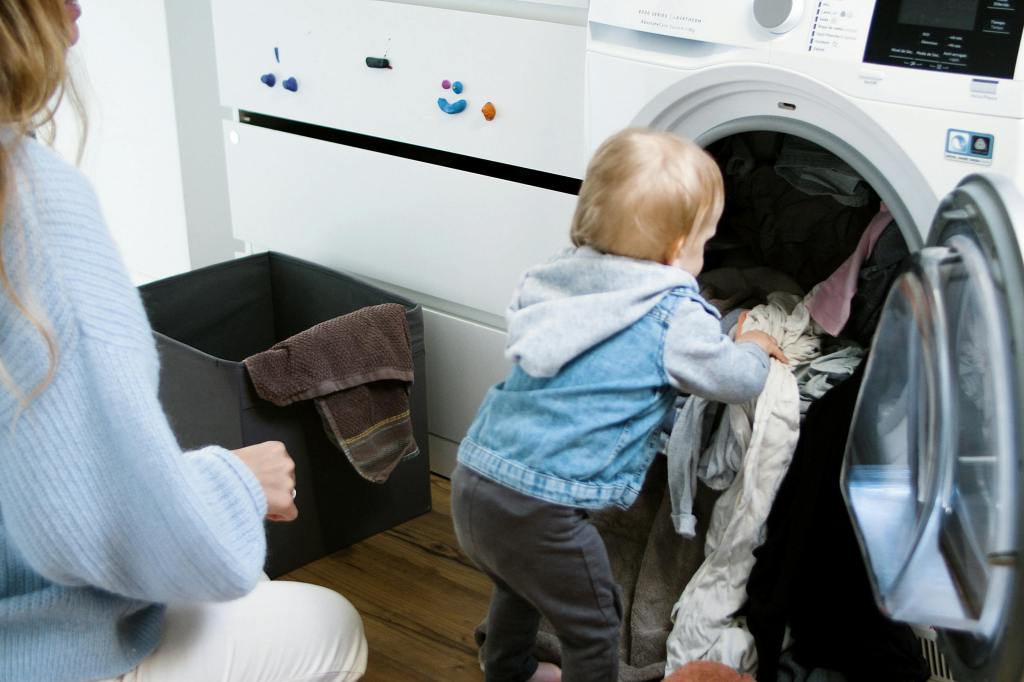
    1. Putting Dirty Clothes in the Hamper
    A simple first chore that teaches routine and responsibility. Place a laundry basket at their height and invite them to drop in their socks or pajamas after changing. You might say, “Can you put your clothes in the basket like a big helper?”

    2. Wiping Spills and Surfaces
    Toddlers love to clean when they have their own tools. Give them a child-sized sponge or cloth, and a spray bottle with water or diluted vinegar. Show them how to wipe a table or their own highchair tray. This helps with coordination and gives them a sense of control.

    Top Pick: Montessori Cleaning Set for Kids – child-safe broom, mop, and cloths they can really use.

    3. Watering Houseplants
    Let your child care for a small plant of their own using a mini watering can. This builds empathy and responsibility. Show them where to pour and how much, then let them take the lead.

    4. Helping with Snack Prep
    Toddlers can help wash fruit, pour dry cereal, or spread nut butter on toast. Set them up with toddler-safe tools and bring them up to counter height using a Montessori Learning Tower.

    Top Pick: Learning Tower Step Stool – safe, sturdy, and encourages independence in the kitchen.

    5. Folding Washcloths and Matching Socks
    Make laundry a game by having your toddler match socks or fold washcloths. Sit together on the floor and show them one example. They’ll love trying to do it “just like you.”

    6. Feeding Pets
    If you have pets, let your toddler scoop dry food into a bowl or fill the water dish with help. Keep the supplies in a reachable bin or container so they can participate consistently.

    7. Sweeping Small Areas
    Give your toddler a mini broom and dustpan to sweep up crumbs or small messes. Show them how to use it properly and let them explore the motion. Even if it’s not perfect, they’ll be proud of their effort.

    Top Pick: Melissa & Doug Wooden Cleaning Set – a realistic, functional cleaning set designed for toddlers.

    Tips for Success

    • Keep tools and materials child-sized and accessible
    • Avoid “pretend” versions that don’t work — toddlers want to be helpful for real
    • Be patient with the process — expect messes and mistakes
    • Focus on the routine, not perfection
    • Offer visual cues or chore charts to make expectations clear

    The Montessori Mindset: Progress Over Perfection

    These tasks aren’t about completing chores perfectly. They’re about helping your child build a sense of ownership and belonging in the home. Toddlers are capable of far more than we often give them credit for — and with encouragement, they’ll rise to the challenge with pride and joy.

  • 5 Gentle Discipline Techniques That Actually Work

    Why Gentle Discipline Works — and How to Start Using It Today

    Discipline doesn’t have to mean yelling, time-outs, or punishments. In fact, for toddlers, those approaches often lead to more stress, not less. The goal of discipline is to teach, not to punish. That’s where gentle discipline comes in.

    This approach helps toddlers learn self-control, emotional regulation, and empathy — all in a developmentally appropriate way. If you’ve been looking for practical tools to guide your toddler through tough moments, these five strategies are a great place to start.


    1. Stay Calm and Set Clear Limits

    Toddlers are wired to test boundaries, they’re figuring out the world! When they push, your job is to be calm, clear, and consistent.

    • Use a firm, kind tone (no need to raise your voice)
    • Speak at their eye level
    • Keep language simple: “I won’t let you hit. That hurts.”

    Why it works: Staying regulated helps your toddler co-regulate. It models the emotional control you’re teaching.


    2. Offer Choices Within Boundaries

    Toddlers crave independence. One of the best discipline tools? Offering limited choices.

    • “Do you want to put your shoes on first, or your jacket?”
    • “You can brush your teeth now, or after this song.”

    This avoids power struggles and helps them feel respected while still following the routine.


    3. Use Natural and Logical Consequences

    Gentle discipline doesn’t mean there are no consequences — it means the consequences are connected to the behavior.

    • If a toy is thrown, it’s put away until they’re ready to use it safely.
    • If they refuse to clean up, play ends until the space is tidied.

    You’re not punishing, you’re helping them understand cause and effect.


    4. Name Emotions and Teach Regulation

    Toddlers often act out because they can’t yet express how they feel. Help them build emotional literacy:

    • “You’re frustrated because your tower fell.”
    • “It’s okay to be mad. Let’s stomp like dinosaurs to let it out.”

    Tip: Tools like Slumberkins Emotional Learning Kits use storybooks and plushies to teach emotions in toddler-friendly ways.


    5. Create a Calm-Down Corner (Not a Time-Out Spot)

    Instead of isolating your child during a meltdown, offer a space to regulate together.

    • Fill it with books, stuffed animals, sensory toys, or pillows.
    • Offer: “Would you like to go to your calm space together?”

    Over time, your child learns to self-soothe instead of escalating.


    Final Thoughts: Gentle Doesn’t Mean Permissive

    Gentle discipline is about connection and consistency. You’re not ignoring misbehavior, you’re addressing it in a way that builds trust and long-term emotional intelligence.


  • 7 Sleep Essentials Every Toddler Needs for Better Nights

    Sleep regressions, bedtime protests, and midnight wake-ups — if you have a toddler, you know the struggle. But quality sleep isn’t just a dream. With the right sleep essentials and routines, your toddler can develop healthy habits that support longer, deeper, and more restful nights — for everyone in the family.

    Whether you’re transitioning from a crib or facing a new round of sleep challenges, these must-have items are parent-approved, toddler-tested, and backed by both science and love.

    1. White Noise Machine

    A white noise machine helps drown out disruptive background sounds like barking dogs or creaky floors. It also acts as a familiar cue for sleep, signaling to your toddler that it’s time to wind down.

    Top Pick: Hatch Rest 2nd Gen — combines sound, night light, and time-to-rise features for a fully customized bedtime.

    2. Toddler Sleep Sack

    A sleep sack provides the comfort of a blanket without the safety risks. Many toddlers still kick off covers or aren’t ready for loose bedding. A wearable blanket keeps them warm and secure.

    Try This: Woolino 4 Season Toddler Sleep Sack — made with breathable merino wool to regulate temperature.

    3. Lavender Pillow Spray

    Lavender is known for its calming properties, and a gentle pillow spray can help create a consistent sensory signal that it’s time for bed. Choose one that’s non-toxic and toddler-safe.

    Recommended: California Baby Calming Spray — free from synthetic fragrances and allergens.

    4. Bedtime Story Book

    A familiar bedtime book routine builds emotional connection and signals the transition to sleep. Look for stories with soothing rhythms, predictable patterns, and calming themes.

    Parent Favorite: Goodnight, Goodnight Construction Site — a beautifully illustrated classic that encourages wind-down.

    5. Lullaby Playlist or Story Speaker

    Screen-free audio like lullabies or bedtime stories helps toddlers stay relaxed without stimulation from lights or visuals. It also gives them something comforting to listen to if they wake in the night.

    Tip: The Yoto Player Mini is a screen-free audio device that plays cards loaded with music, stories, or mindfulness activities.

    6. Warm Bath with Soothing Wash

    Bath time isn’t just about cleanliness — it’s the perfect way to begin the wind-down process. A warm bath can lower core body temperature and signal the body to prepare for rest.

    Try This: Aveeno Baby Calming Comfort Bath — with oat and lavender, ideal for sensitive skin.

    7. Red-Tone Night Light

    Unlike blue or white light, red tones don’t interfere with melatonin production. They provide visibility during late-night wakeups while supporting sleep hormone cycles.

    Top Choice: Hatch Restore — allows you to customize bedtime and wake-up routines with sleep-friendly lighting.

    Final Thoughts

    A good night’s sleep for your toddler starts with consistency, environment, and comfort. These 7 essentials offer just the right support for peaceful evenings and restful nights. Try one or combine a few to create your perfect sleep routine.

  • How to Build a Screen-Free Play Routine That Works

    Let’s be real — screens are everywhere.

    And while the occasional show can be a sanity-saver, too much screen time can impact your toddler’s sleep, focus, and mood. The good news? You can create a screen-free play routine that actually works — and doesn’t leave you scrambling for ideas.

    Here’s how to build a routine that keeps your child learning, playing, and thriving — without screens.


    🧠 1. Start with a Simple Daily Structure

    Toddlers thrive on rhythm and predictability. A clear routine helps reduce meltdowns and gives them a sense of control.

    Example Screen-Free Schedule:

    • 8:00 – Breakfast
    • 9:00 – Free Play (open-ended toys)
    • 10:00 – Outdoor Time
    • 11:30 – Snack & Books
    • 12:30 – Nap
    • 3:00 – Art or Sensory Play
    • 4:30 – Independent Play / Clean-up

    🎨 2. Prep Easy, Low-Mess Activities

    Keep a few go-to activities prepped in bins or trays. Rotating them weekly keeps things fresh without needing new supplies.

    Ideas include:

    • Playdough & cookie cutters
    • Pom-pom sorting with tongs
    • Stickers and paper
    • Sensory bins (rice, beans, water)

    Tip: The KiwiCo Panda Crate delivers screen-free toddler activities straight to your door.


    🧸 3. Lean Into Independent Play

    Independent play is a skill — and it’s built over time. Encourage solo play by staying nearby but not interfering. Praise their effort, not the outcome.

    Try This: A Montessori toy shelf with 4–6 items helps keep choices manageable and encourages focus.


    📚 4. Use Books as Transitions and Bonding

    Reading is one of the best screen-free activities for toddlers. It builds language, attention span, and connection.

    Tip: We love the 100 First Words board book — sturdy, simple, and toddler-approved.


    🌳 5. Make Outside Time Non-Negotiable

    Nature is the original screen-free zone. Daily outdoor time improves mood, sleep, and physical development.

    Even 15–30 minutes makes a difference. Bonus: it helps with naps!


    🎵 6. Use Music as a Mood Shifter

    Whether it’s dance time, cleanup time, or chill time — music can help set the tone. Build a few go-to playlists (or use apps like Spotify Kids).

    Tip: The Yoto Mini Player lets toddlers enjoy stories and songs screen-free and independently.


    Final Thoughts

    Building a screen-free routine doesn’t mean eliminating screens altogether — it means being intentional about how your toddler spends their time. With the right tools and mindset, your days can feel calmer, more connected, and more fulfilling — for both of you.

  • Best Montessori Toys for Toddlers in 2025

    Simple, thoughtful, and child-led — that’s the Montessori way.

    If you’re looking to support your toddler’s growth through purposeful play, Montessori toys are a game changer. These open-ended toys encourage independence, motor skills, problem-solving, and creativity — without the noise, flashing lights, or batteries.

    We’ve rounded up the best Montessori toys for toddlers in 2025, tested and loved by parents and educators alike.


    🧩 1. Wooden Object Permanence Box

    Perfect for ages 6–18 months, this classic Montessori toy helps babies understand cause and effect while improving hand-eye coordination.

    Tip: The Adena Montessori Object Permanence Box is made from sustainably sourced wood and designed by early educators.


    🌈 2. Stacking Rainbow Arches

    This colorful toy supports spatial reasoning, balance, and creativity. Toddlers love using the pieces as bridges, tunnels, or towers.

    Recommended: Grimm’s Spiel und Holz Design Large 6-Piece Pastel Rainbow Stacker — a timeless investment in imaginative play.


    🧺 3. Montessori Cleaning Set

    Toddlers love to imitate you — so give them tools sized just for them. A child-sized broom or duster builds practical life skills and responsibility.

    Top Pick: The Melissa & Doug Let’s Play House! Cleaning Set is durable, functional, and fun.


    🖐️ 4. Busy Board for Fine Motor Skills

    Busy boards are ideal for car rides, quiet time, or focused solo play. Look for options with buttons, buckles, zippers, and latches.

    Tip: Check out the deMoca Montessori Busy Board — parent-favorite and travel-friendly.


    🔠 5. Wooden Alphabet Tracing Board

    Introduce letters in a tactile, hands-on way. Your toddler can trace each shape using their fingers or a stylus — great for pre-writing practice.

    Try This: The Coogam Wooden Letters Practicing Board is eco-friendly and beautifully crafted.


    🚚 6. Push and Pull Toys for Early Walkers

    Perfect for active toddlers just finding their stride. These toys promote gross motor development and balance.

    Parent Pick: The PlanToys Dancing Alligator is sustainable, safe, and seriously cute.


    Final Thoughts

    Montessori toys are more than just playthings — they’re tools for building lifelong curiosity, focus, and independence. Whether you’re building a Montessori-inspired playroom or simply adding a few new favorites, these picks are sure to make 2025 full of purposeful play.


    Note: As an Amazon Associate, I earn from qualifying purchases.

  • Creating a Safe and Joyful Home for Toddlers

    Toddlers are explorers by nature — so your home should be their safe, joyful playground.
    Between their first steps and curious hands, life with a toddler can feel like a whirlwind. Creating a toddler-friendly home isn’t just about safety — it’s about encouraging independence, learning through play, and making daily routines easier for both of you.

    In this guide, we’ll walk you through how to set up a home environment that supports your toddler’s growth, fosters creativity, and gives you peace of mind.


    1. Prioritize Safety Without Limiting Exploration

    Start by viewing your space from a toddler’s perspective — literally! Get down on their level and look for hazards like loose cords, sharp corners, or fragile items.

    Key toddler-proofing areas:

    • Cabinets – Use child safety locks on those storing cleaners or breakables.
    • Outlets – Cover all unused sockets.
    • Furniture – Anchor heavy furniture like bookshelves and TVs to the wall.

    Tip: We recommend the Safety 1st Deluxe Kit — a top-rated, all-in-one babyproofing set perfect for toddlers on the move.


    2. Create Low, Accessible Spaces for Independence

    Toddlers love doing things “by myself!” — so set up areas where they can reach what they need safely.

    Try this:

    • Use low shelves for toys and books.
    • Add a child-sized table and chair for coloring or snacks.
    • Install low hooks for jackets or backpacks.

    Tip: The Montessori-style Toy Shelf encourages tidy habits and independence from an early age.


    3. Design a Calming, Clutter-Free Play Area

    Less is more when it comes to toddler play spaces. A calm environment helps reduce overstimulation and encourages focused play.

    How to set it up:

    • Rotate toys weekly to keep interest fresh.
    • Include a mix of open-ended toys (like blocks or dolls).
    • Add a cozy reading nook with soft pillows or a child-sized beanbag.

    Tip: We love the Lovevery Play Kits — stage-based toys designed by child development experts.


    4. Make the Bathroom Toddler-Accessible

    Toddlers are learning basic hygiene, so help them build routines by making the bathroom accessible.

    Add:

    • A non-slip step stool.
    • A faucet extender for easy hand washing.
    • A toothbrush and toothpaste they can use independently.

    Tip: The Munchkin Faucet Extender & Step Stool Combo is a game-changer for self-care routines.


    5. Keep Mealtimes Simple and Safe

    Set up a toddler-friendly kitchen zone to encourage mealtime participation.

    Ideas include:

    • A learning tower or kitchen helper stool so they can help prep food.
    • Unbreakable dishes in a low drawer they can reach.
    • Easy-access snack stations with healthy options.

    Tip: Try the Little Partners Learning Tower — safe, sturdy, and loved by Montessori parents.


    6. Create Clear Zones in Shared Spaces

    Even in small homes, creating defined areas can help toddlers understand what belongs where.

    Use rugs or furniture placement to separate zones like:

    • Play area
    • Reading nook
    • Art corner

    This helps your toddler know what’s expected — and helps keep your space a little more organized.


    7. Encourage Emotional Safety Too

    Your physical space should support emotional development as well. Create a calm-down corner with pillows, soft toys, or a “feelings” book they can use when emotions run high.

    It’s a gentle way to help toddlers learn emotional regulation and self-soothing skills.

    Tip: We recommend the Slumberkins Snuggler + Story Sets to help toddlers explore emotions in a comforting way.


    Final Thoughts

    Creating a toddler-friendly home doesn’t mean turning your house upside down — it’s about making intentional, thoughtful changes that support your child’s need for safety, freedom, and connection. And the best part? These changes help reduce stress and make daily life flow more smoothly for everyone.

    Whether you’re just starting out or looking to fine-tune your setup, your home can become a space where your toddler can grow, explore, and truly thrive — with you by their side.

    Note: As an Amazon Associate, I earn from qualifying purchases.

  • 10 Proven Parenting Tips Every New Parent Should Know

    Welcome to Parenting Kindly!
    Becoming a parent is one of life’s greatest blessings — but it’s also one of its biggest challenges. Whether you’re holding your newborn for the first time or chasing after a toddler, the learning curve can be steep. That’s why we’ve put together 10 authentic, expert-backed parenting tips to help you feel more confident, connected, and calm as you grow with your child.

    Let’s dive in!


    1. Start With Routine, Not Perfection

    Consistency builds trust. Babies and toddlers thrive on predictable schedules — it helps them feel safe. Start small by creating simple routines for naps, meals, and bedtime.

    Tip: Looking to simplify bedtime? Try the Hatch Rest Baby Sound Machine — a top-rated sleep aid for babies that also grows with your child.


    2. Trust Your Instincts

    Books and blogs are helpful (we’re glad you’re here!), but no one knows your child better than you. Trust your gut and give yourself permission to make mistakes.


    3. Create Tech-Free Connection Time

    Family connection is the heart of parenting. Set aside 20–30 minutes daily without screens to talk, play, or read with your child.

    Tip: Reading together? We love the Little Blue Truck board book series — fun, interactive, and great for bonding.


    4. Set Boundaries With Love

    Discipline isn’t about punishment — it’s about guidance. Use clear expectations, gentle corrections, and lots of praise for positive behavior.

    Try using phrases like:

    • “Let’s try that again together.”
    • “I see you’re feeling upset. Can we talk about it?”

    5. Nurture Your Own Mental Health

    A calm parent creates a calm environment. Don’t neglect your own well-being — whether that means a hot shower, a walk, or just five quiet minutes with coffee.

    Tip: Self-care made simple: Try the Calm App for quick daily meditations.


    6. Use Positive Reinforcement

    Celebrate effort, not just outcomes. Instead of “Good job,” try “I noticed how gently you treated your brother — that was kind!”

    Positive parenting builds confidence and cooperation.


    7. Meal Times = Bonding Times

    Make at least one meal a day a no-pressure, connected experience. Let kids help with simple tasks like washing veggies or setting the table.

    Tip: These Montessori Kitchen Tools for Toddlers are safe and fun for little helpers.


    8. Embrace the Mess

    Parenting is messy — emotionally, physically, and sometimes literally. Don’t worry about having a spotless home. The dishes can wait. Connection matters more.


    9. Model Emotional Intelligence

    Show your child how to name and manage big feelings. Say things like, “I’m feeling frustrated, so I’m taking a deep breath.”

    They learn emotional regulation by watching you.


    10. You’re Doing Better Than You Think

    No parent has it all figured out. And that’s okay. What matters is that you keep showing up with love, patience, and a willingness to grow.


    Final Thoughts
    Parenting is a journey — not a destination. At Parenting Kindly, our goal is to walk that path with you by sharing evidence-based, kind-hearted advice that makes your daily life easier and more joyful.

    Stay tuned for more tips, product reviews, and gentle guidance!